
Hear from Our Customers
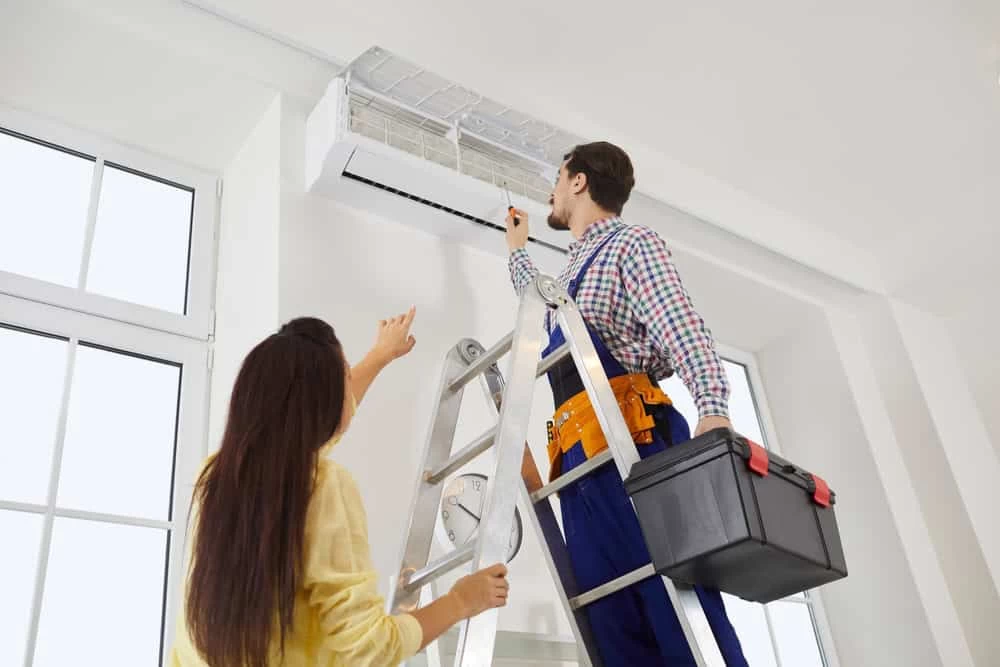
After a professional HVAC cleaning, most homeowners notice it immediately less dust settling on surfaces, fewer allergy flare-ups, and a system that runs quieter and more efficiently. That last part matters more than people realize. A clean system doesn’t have to work as hard, and the U.S. Department of Energy estimates that regular HVAC maintenance can improve efficiency by 20 to 30 percent. In a Reno home where both summer AC and winter heat get serious use, that kind of savings adds up.
But the bigger issue here isn’t just efficiency it’s what’s actually living in your ductwork. Reno sits in the Truckee Meadows basin, which means when wildfire smoke rolls in from the Sierra Nevada, it doesn’t just drift past. It gets trapped. Research from the Desert Research Institute found that wildfire smoke accounted for 56 to 65 percent of fine particulate matter in Reno’s air during fire season. When your HVAC system runs during those events, it pulls those particles in. The Davis Fire and Bear Fire advisories in September 2024 pushed local air quality into the unhealthy range and if your system ran during that window and hasn’t been cleaned since, those particles are still circulating every time your heat or AC kicks on.
Then there’s the Washoe Zephyr. Every spring, those winds push high-desert dust, juniper pollen, and fine mineral particles across the valley and straight into Reno homes. Reno’s allergy season runs from February through August with almost no real break in between. If someone in your household deals with persistent symptoms that seem worse indoors, your duct system is worth looking at. Cleaning it removes the accumulated source not just the surface layer.
Home Safe Air Duct & Dryer Vent Cleaning was founded by Jorge Mendoza after a close friend’s house caught fire because of a clogged dryer vent that was never cleaned. That’s not a tagline it’s the reason we exist. Jorge built Home Safe around one straightforward principle: do the job right, be honest about what it costs, and show the customer exactly what was removed. Over 500 verified five-star reviews across Google, Yelp, HomeAdvisor, BBB, and Nextdoor back that up and reviewers consistently note the same thing: the final price matched the quote, every time.
We are BBB Accredited, fully licensed, and fully insured. We’re based in Sacramento and serve Reno via the I-80 corridor a direct route that makes same-area service practical and consistent. Whether your home is in Caughlin Ranch, the North Valleys, Midtown, or South Reno, the standard of work doesn’t change. Jorge is directly involved in operations on every job, which means accountability isn’t a talking point it’s just how we run the business.

Before anything gets touched, you get a clear, all-inclusive price. No per-vent charges, no surprise mold treatments, no upsells at the door. The Reno market has seen its share of $99 bait-and-switch operators contractors who quote low, get inside, and then find reasons to charge three to five times more. That’s not how we work. What you’re quoted is what you pay.
On the day of service, our technician does a full inspection of your system before starting checking duct condition, identifying any visible buildup, and taking before photos so you can see the starting point. Then the actual cleaning begins: high-powered negative air pressure equipment pulls contaminants out of the duct system from the inside, rather than just pushing debris around. Every vent, every return, every accessible section of ductwork gets addressed. For Reno homes that have been through multiple wildfire smoke events or several years of Washoe Zephyr dust seasons without a cleaning, what comes out is often significant.
When the job is done, you get after photos alongside the before shots visible proof of what was removed. If dryer vent cleaning is part of the service, our technician checks airflow, clears the full vent line, and confirms the exhaust path is clear. The whole process typically takes two to four hours depending on home size, and the space is left clean when we leave.
Ready to get started?
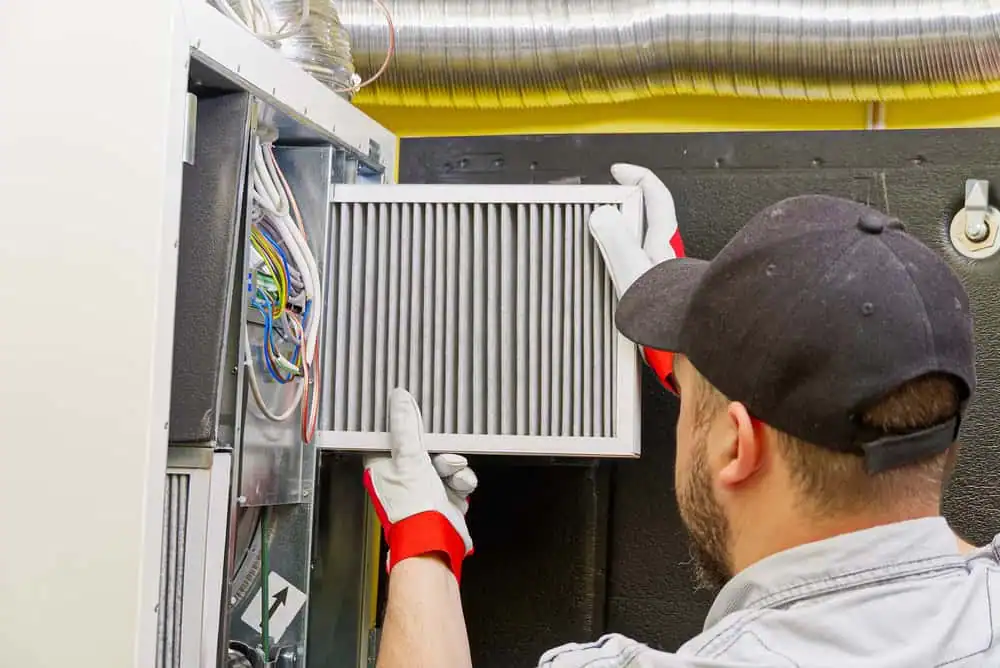
A full residential HVAC cleaning with Home Safe covers the entire duct system supply vents, return vents, the main trunk lines, and the air handler area. There are no per-vent add-ons or tiered pricing structures that quietly inflate the bill. Everything is included in the quoted price, which is confirmed before the job starts.
Dryer vent cleaning is available as a standalone service or alongside HVAC cleaning. In Reno, where 74 percent of buildings carry a high wildfire risk rating and where fire awareness is already part of daily life, this service carries real weight. Lint buildup is the leading cause of dryer fires nationally the NFPA puts dryer-related fires at roughly 15,970 per year and a clogged vent also forces your dryer to work harder, shortens its lifespan, and means clothes take two cycles to dry when one should be enough. For homeowners in newer subdivisions in the North Valleys or South Reno, where construction debris may still be present in ductwork from the building process, a full system cleaning is especially worth doing sooner rather than later.
Before-and-after photo documentation is standard on every job not an upgrade. Nevada requires HVAC contractors to carry valid state licensing, and we are fully licensed and insured, which protects you if anything goes wrong. In a market where unlicensed operators are active and low-price promotions are common, that credential matters. It’s verifiable, and you should verify it before letting any contractor into your home.
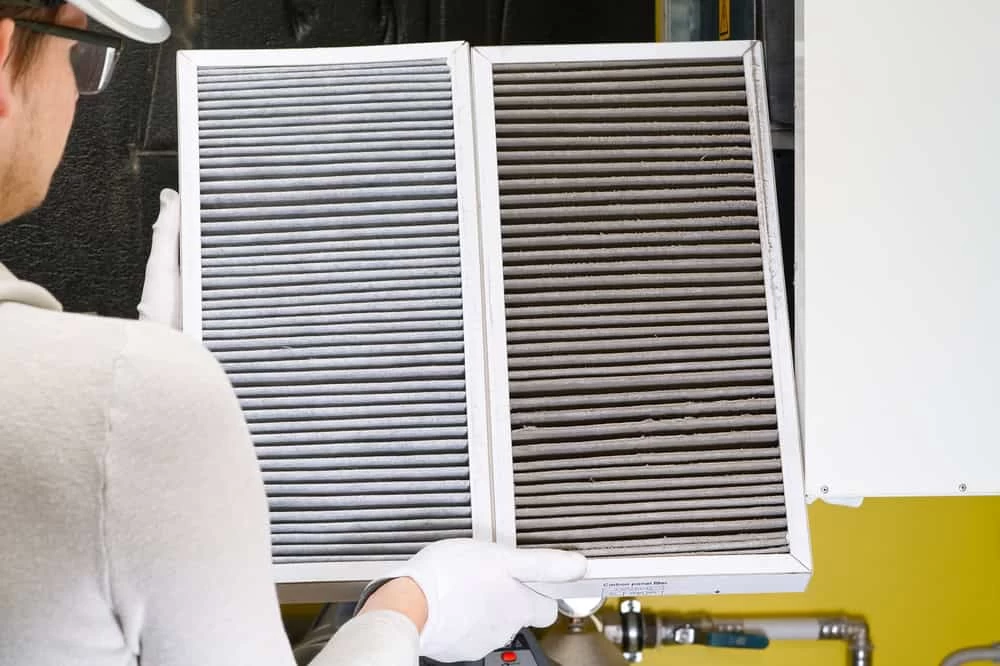
Yes and it stays there longer than most people expect. When wildfire smoke reaches hazardous or unhealthy air quality levels, as it did during the Davis Fire and Bear Fire events in September 2024, most homeowners do the right thing: they close windows and run their HVAC systems. The problem is that HVAC systems pull air in from the surrounding environment, and during a smoke event, that means pulling fine particulate matter PM2.5 particles smaller than 2.5 microns directly into the duct system.
Those particles embed in duct walls, insulation lining, and the surfaces of the air handler. Once the fires are out and the sky clears, the particles don’t leave on their own. Every time your system runs after that, it recirculates them. Research from the Desert Research Institute confirmed that wildfire smoke made up 56 to 65 percent of fine particulate matter in Reno’s air during fire-prone months. If your system ran during a significant smoke event in the last two years and hasn’t been professionally cleaned since, a duct inspection is worth scheduling.
For a standard single-family home in Reno, a whole-home air duct cleaning from a legitimate, licensed provider typically runs between $450 and $1,000 depending on home size, system configuration, and the condition of the ductwork. That range reflects NADCA industry standards and is what you should expect from a reputable company.
If you’re seeing quotes well below that range particularly the $99 or $149 specials that circulate online it’s worth being cautious. Those prices are almost never the final price. The business model behind them relies on getting inside your home and then finding reasons to charge more: per-vent fees, mold treatment upsells, or fabricated contamination findings. With Home Safe, the price quoted before the job is the price on the invoice when it’s done. That’s documented in hundreds of reviews from real Reno customers, and it’s the clearest way to tell a legitimate company from one running a low-price scheme.
The general industry recommendation is every three to five years for a typical home with no unusual conditions. But Reno’s environment pushes that timeline shorter for a lot of households. If you’ve been through one or more significant wildfire smoke seasons without a cleaning which most Reno homeowners have at this point that alone is a reasonable trigger. Add the Washoe Zephyr’s spring dust events, the extended allergy seasons that run from February through August, and the winter temperature inversions that trap valley pollutants indoors, and you’re dealing with a level of airborne particulate load that’s higher than most U.S. cities.
Practically speaking, the right answer depends on your home and your situation. Homes with pets, residents with asthma or allergies, recent renovation work, or systems that ran heavily during a fire season should lean toward the shorter end of that range. New construction homes in the North Valleys or South Reno developments should be cleaned before or shortly after move-in construction debris including drywall dust and insulation fibers routinely ends up in duct systems during the build process and doesn’t get removed before the family moves in.
The most common signs are things people tend to dismiss as normal: clothes that take two cycles to fully dry, a dryer that feels unusually hot to the touch during a cycle, a laundry room that gets warm or humid while the dryer runs, or a burning smell that comes and goes. Any one of those is worth taking seriously. All of them together means the vent line is significantly restricted and needs to be cleared soon.
The NFPA reports roughly 15,970 dryer fires per year nationally, with lint buildup identified as the cause in 34 percent of cases. In Reno, where fire awareness is already elevated and where 74 percent of buildings carry a high wildfire risk rating, adding an interior ignition source to the equation isn’t a risk worth carrying. The fix is straightforward and relatively inexpensive a dryer vent cleaning typically takes under an hour, restores proper airflow, reduces drying time, and extends the life of the appliance. The annual recommendation from most fire safety organizations is once per year for average household use, and more frequently if you have a large family or run the dryer heavily.
Not every low-price offer is a scam, but the $99 whole-home air duct cleaning model has a well-documented pattern that’s worth understanding before you book anyone. The way it typically works: a company advertises an extremely low price to get access to your home, then the technician arrives and identifies “additional” issues usually mold, excessive buildup, or contamination that requires special treatment and the bill climbs to $400, $600, or more. The original price was never intended to be the final price.
The Reno market has seen this. It’s the same pattern documented in cities across the West, and it disproportionately affects homeowners who are doing their first search and don’t have a reference point for what legitimate pricing looks like. The way to protect yourself is straightforward: ask for an all-inclusive written quote before anyone shows up, check that the company is licensed through the Nevada State Contractors Board, verify their BBB status, and read reviews carefully specifically looking for mentions of whether the final price matched what was quoted. Those details show up in honest reviews and are usually absent from reviews left for bait-and-switch operators.
They can, and for a lot of Reno residents, the connection is more direct than they realize. Reno has one of the more demanding allergy environments in the Western U.S. tree pollen from juniper, cottonwood, and oak runs from February through May, grass pollen peaks from May through August, and the Washoe Zephyr winds that pick up each spring carry all of it further and faster than calm-air conditions would. That pollen, along with high-desert dust and fine mineral particles, gets pulled into HVAC systems and deposits in ductwork over time.
Once it’s in there, it doesn’t stay put. Every time your system cycles on, it redistributes that accumulated material into your living space. If your symptoms tend to spike indoors especially when the heat or AC first kicks on after sitting idle that’s a recognizable pattern. A professional duct cleaning removes the accumulated source material rather than just filtering what’s already airborne. It won’t eliminate outdoor exposure, but it removes the indoor reservoir that keeps recirculating the problem season after season. For households where someone has asthma, chronic allergies, or respiratory sensitivity, it’s one of the more practical steps you can take to improve the air quality inside your own home.
Local Resources