
Summary:
Persistent Musty Odors and Strange Smells From Your Vents
That musty smell you’ve been trying to ignore? It’s not going away on its own.
When you notice stale, moldy, or unpleasant odors coming from your vents, especially when your HVAC system kicks on, you’re dealing with contaminated ductwork. San Antonio’s humidity creates perfect conditions for mold and mildew growth inside your ducts.
These odors often intensify during heating and cooling cycles because your system is literally blowing contaminated air throughout your home. The smell might fade temporarily, but it returns every time your system runs.
Why San Antonio's Climate Makes Duct Odors Worse
San Antonio’s seasonal humidity swings create a perfect storm for duct contamination. Summer months bring higher moisture levels that promote mold and mildew growth, while winter’s drier conditions can cause dust and debris to become more concentrated.
Your HVAC system works harder in this climate, which means more air circulation through potentially contaminated ducts. When moisture gets trapped in your ductwork, it creates an ideal environment for bacterial growth and organic matter decomposition.
The combination of heat, humidity, and organic materials like dust, pet dander, and pollen creates that distinctive musty odor. This isn’t just unpleasant—it’s a clear indicator that your indoor air quality is compromised.
Construction dust from nearby developments, seasonal pollen, and even cooking odors can settle in your ducts and create persistent smells. Once these contaminants establish themselves in your ductwork, regular surface cleaning won’t eliminate them.
If you’re noticing stronger odors during certain seasons or after running your system for extended periods, your ducts are telling you they need professional attention. These smells will continue to worsen until the source is properly addressed through comprehensive duct cleaning.
The Health Impact of Breathing Contaminated Air
Those persistent odors aren’t just annoying—they represent real health risks for your family. When your ducts harbor mold, bacteria, and other contaminants, every breath you take indoors includes these pollutants.
Family members with allergies, asthma, or respiratory sensitivities often experience worsening symptoms when ductwork is contaminated. You might notice more frequent sneezing, coughing, or throat irritation, especially when spending time at home.
Children and elderly family members are particularly vulnerable to poor indoor air quality. Their developing or compromised immune systems can’t handle the constant exposure to airborne contaminants as effectively as healthy adults.
The musty odors you’re smelling often indicate the presence of volatile organic compounds (VOCs) released by mold and bacteria. Long-term exposure to these compounds can cause headaches, fatigue, and respiratory issues that many people don’t immediately connect to their home’s air quality.
Professional duct cleaning removes the source of these contaminants rather than just masking the symptoms. When you eliminate the mold, bacteria, and accumulated debris from your ductwork, you’re creating a healthier environment for everyone in your home.
Don’t wait for health symptoms to worsen. If you’re dealing with persistent odors from your vents, it’s time to take action to protect your family’s well-being.
Excessive Dust Buildup and Poor Indoor Air Quality
You dust your furniture, and within days, it’s covered again. Sound familiar?
When your air ducts are dirty, your HVAC system becomes a dust distribution network, constantly circulating particles throughout your home. You’ll notice dust accumulating faster than normal on surfaces, especially near vents and air returns.
This isn’t just about aesthetics. Excessive dust indicates that your ductwork is harboring allergens, pet dander, pollen, and other particles that are being blown into your living spaces every time your system runs.
Visible Signs Around Your Vents and Registers
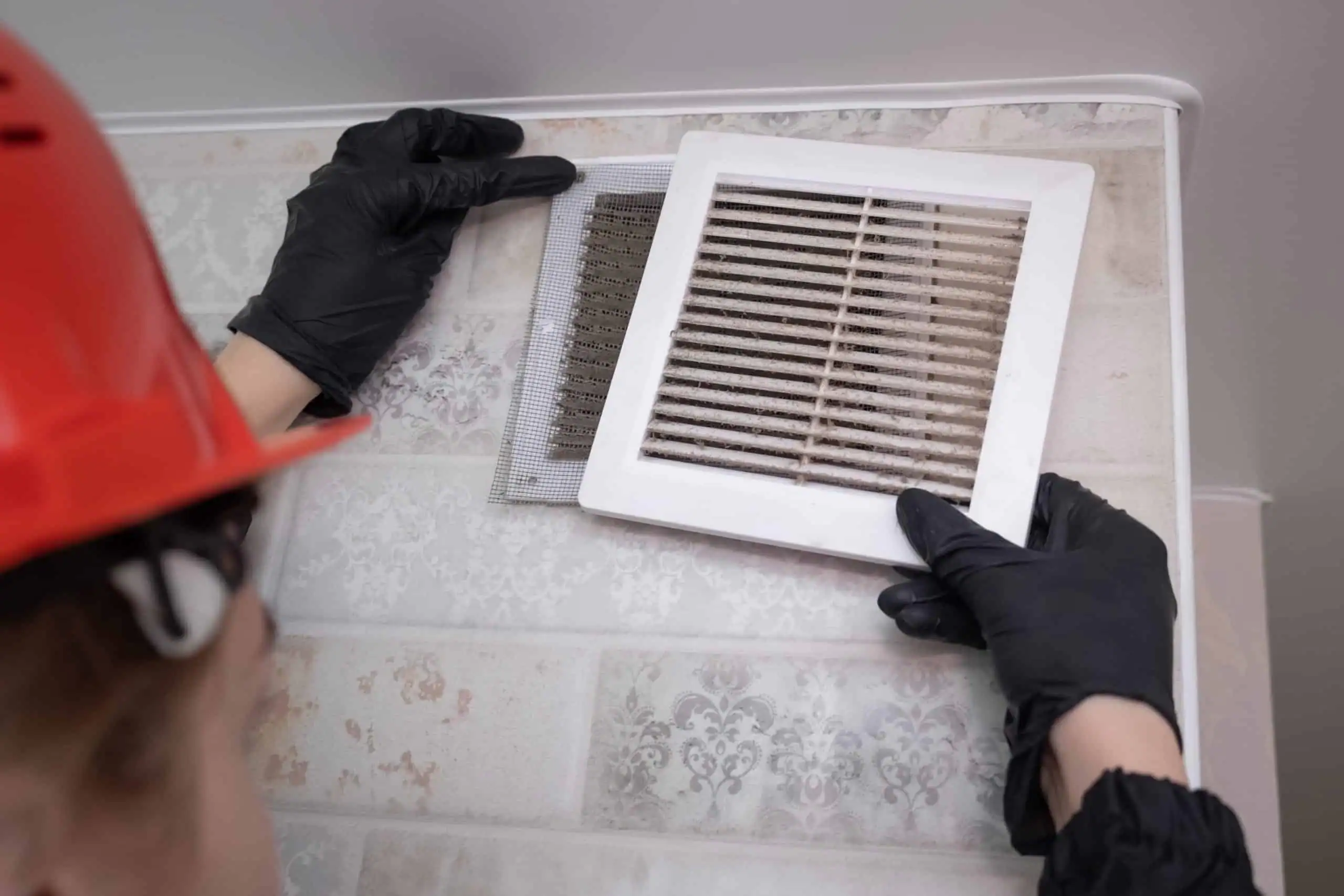
Take a close look at your air vents and registers. Are you seeing dust buildup around the edges or discoloration on the walls nearby? These are clear indicators that contaminated air is flowing through your ductwork.
Dark streaks or staining around vents show that your system is pushing dusty, dirty air through the openings. This “ghosting” effect happens when particles in the airstream stick to surfaces around the vent opening.
You might also notice that some vents seem dustier than others. This often indicates uneven airflow caused by blockages or restrictions in your ductwork. When air can’t flow freely, it carries more particles and deposits them around the vent opening.
Check your air filters more frequently too. If they’re getting dirty much faster than the manufacturer’s recommended replacement schedule, your ducts are likely contributing to the problem. Dirty ductwork forces your filters to work overtime, and they can’t catch everything.
The dust you’re seeing isn’t just ordinary household dust. It’s a mixture of skin cells, fabric fibers, pet dander, pollen, and potentially mold spores that have been circulating through your contaminated ductwork. This combination can trigger allergic reactions and respiratory issues.
Professional duct cleaning addresses the source of this dust circulation, rather than just treating the symptoms. Once your ducts are clean, you’ll notice less dust accumulation throughout your home and better overall air quality.
Increased Energy Bills and HVAC System Strain
Your energy bills shouldn’t fluctuate dramatically from year to year, especially if your usage patterns remain consistent. When you notice unexplained increases in heating and cooling costs, dirty ductwork might be the culprit.
Contaminated ducts force your HVAC system to work harder to maintain comfortable temperatures. Dust, debris, and other buildups restrict airflow, making your system run longer cycles to achieve the same results. This increased runtime translates directly to higher energy consumption.
You might also notice that certain rooms never seem to reach the desired temperature, or that your system runs more frequently than it used to. These are signs that your ductwork isn’t allowing efficient air circulation throughout your home.
The strain on your HVAC system goes beyond just higher bills. When your equipment has to work harder due to restricted airflow, it experiences more wear and tear. Components like blower motors, compressors, and heat exchangers can fail prematurely when forced to operate under these conditions.
San Antonio’s climate already puts significant demands on HVAC systems. When you add dirty ductwork to the equation, you’re creating a perfect scenario for system breakdowns and expensive repairs.
Regular duct cleaning helps restore proper airflow, allowing your system to operate efficiently. Many homeowners notice immediate improvements in both comfort and energy costs after professional duct cleaning. Your HVAC system will run more smoothly, last longer, and keep your home comfortable without the excessive energy consumption.
Taking Action for Cleaner Air and Better Health
The signs are clear: persistent odors, excessive dust, poor airflow, and rising energy bills all point to contaminated ductwork that needs professional attention. In San Antonio’s challenging climate, these issues will only worsen over time without proper intervention.
Your family’s health and comfort depend on the quality of air circulating through your home. Professional duct cleaning removes the contaminants that regular maintenance can’t reach, restoring your indoor air quality and HVAC system efficiency.
Don’t let dirty ducts continue to impact your family’s well-being and your wallet. When you’re ready to breathe cleaner air and enjoy a more efficient home, we’re here to provide the professional service you can trust.