Summary:
Most Sacramento homeowners don’t think about their HVAC system until something goes wrong — a unit that won’t keep up on a 108-degree afternoon, an energy bill that keeps creeping up, or air inside the house that just feels heavy and stale. The system runs, so it must be fine. Right?
Not exactly. Sacramento’s climate is uniquely hard on HVAC systems, and the damage tends to be quiet and gradual. By the time you notice something is off, the buildup has usually been there for years. This page covers what’s actually happening inside your ductwork, what a proper cleaning involves, and what questions Sacramento homeowners most commonly ask before they book with us.
What Sacramento's Climate Does to Your HVAC System Over Time
Most cities get a break. Their residents use heat in winter, air conditioning in summer, and the HVAC system gets a few months off each year. Sacramento doesn’t really work that way. From late May through October, air conditioners here run almost continuously — and that constant operation means constant airflow through your duct system, which means constant accumulation of whatever is floating around in Sacramento’s air.
And Sacramento’s air carries a lot. The valley’s agricultural surroundings kick up dust during harvest seasons. The “City of Trees” designation Sacramento is so proud of also means some of the highest pollen counts in the country. Then there’s wildfire smoke, which has become a near-annual reality for residents across the region. All of it moves through your return vents and settles inside the ductwork, the air handler, and the coils — building up layer by layer, season after season.
Why Sacramento's Dry Heat Makes Duct Buildup Worse Than You'd Expect
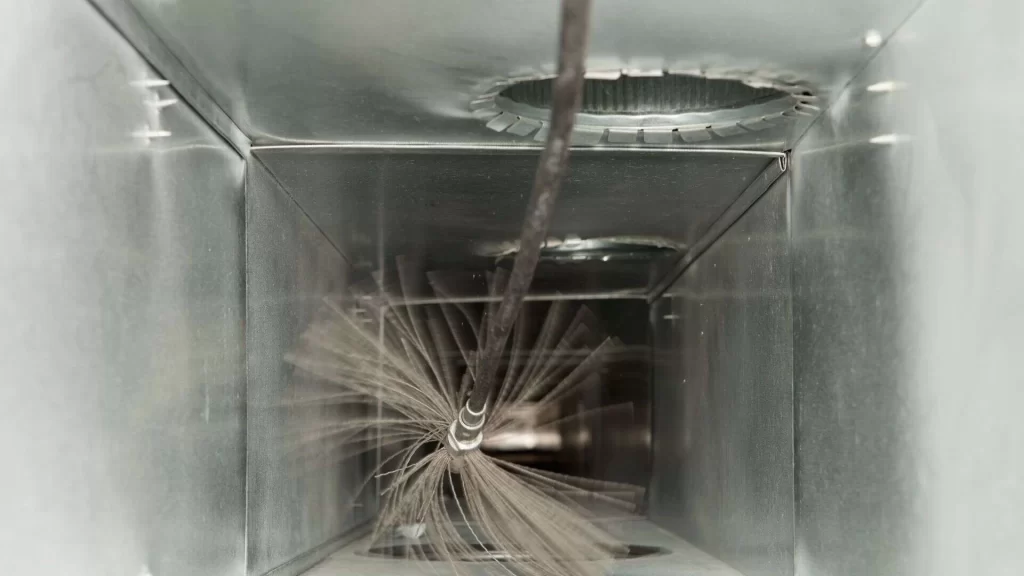
Here’s something most people don’t realize: humidity actually helps some airborne particles settle out of the air faster. In drier climates like Sacramento’s, fine particles stay suspended longer and travel further before landing — which means more of them make it deep into your duct system before settling on the walls.
That dry air is part of why Sacramento homes tend to accumulate more debris inside their ducts than homes in more humid parts of the country. It’s not just about how long the system runs. It’s about what the air is carrying and how far those particles travel before they stick.
A research study published in January 2025 found that cleaning HVAC fans and blowers reduced energy consumption by 41 to 60 percent. That’s not a minor improvement — that’s the difference between a system running efficiently and one that’s fighting through years of accumulated restriction every time it cycles on. In Sacramento, where your system might run six months straight, that inefficiency compounds quickly. You feel it in your comfort levels, and you definitely feel it in your energy bill.
The other thing worth understanding is that Sacramento’s geography makes this worse. The Sacramento Valley sits in a natural basin — flat terrain with mountains on three sides. During temperature inversions, which are common here, pollutants that would otherwise disperse get trapped at ground level. That includes agricultural dust, vehicle emissions, and wildfire smoke. When outdoor air quality drops during an inversion event, your HVAC system is pulling that air in through its fresh air intake and cycling it through your home. If your ducts haven’t been cleaned in several years, that air is passing through a system that’s already compromised.
This is why the standard national recommendation of cleaning every three to five years often isn’t enough for Sacramento homes. The combination of extended operating seasons, dry air, high pollen, agricultural particulate, and recurring wildfire smoke means buildup happens faster here than the national average accounts for.
What Wildfire Smoke Actually Leaves Behind in Your Ductwork
If you’ve lived in Sacramento for more than a few years, you’ve been through at least one smoke season where the sky turned orange and the AQI hit levels that kept everyone indoors. Keeping windows closed during those events is the right call. But here’s the part that often gets overlooked: your HVAC system is still pulling outdoor air in through its fresh air intake, even when everything else is sealed up.
Wildfire smoke contains fine particulate matter — PM2.5 — which is small enough to pass through standard filters and deposit directly inside your ductwork. After a significant smoke event, it’s not uncommon to find visible soot and ash residue inside the ducts of homes that were otherwise well-maintained. That material doesn’t just sit there harmlessly. Every time your system runs, it recirculates through the air your family is breathing.
This is one of the reasons we see a consistent spike in HVAC cleaning inquiries after major wildfire events in the Sacramento area. Homeowners in Elk Grove, Rancho Cordova, Carmichael, and Fair Oaks all deal with the same exposure — and the homes in older neighborhoods like Citrus Heights or parts of central Sacramento, where ductwork may not have been touched in decades, tend to show the most significant accumulation after a bad smoke season.
The fix isn’t a new filter. Filters are designed to catch particles before they enter the system, but they don’t clean what’s already built up on the duct walls, inside the air handler, or on the evaporator coils. That requires a full system cleaning — negative pressure equipment, mechanical agitation, and access to every component of the system, not just the visible vents. A filter change after a wildfire smoke event is maintenance. A professional cleaning is restoration. Both matter, but they’re not interchangeable.
What Professional HVAC System Cleaning Actually Involves
There’s a lot of confusion about what HVAC cleaning is and what it includes — partly because the industry has a well-documented problem with companies that quote low prices, get in the door, and then either do a partial job or pressure homeowners into add-ons they don’t need.
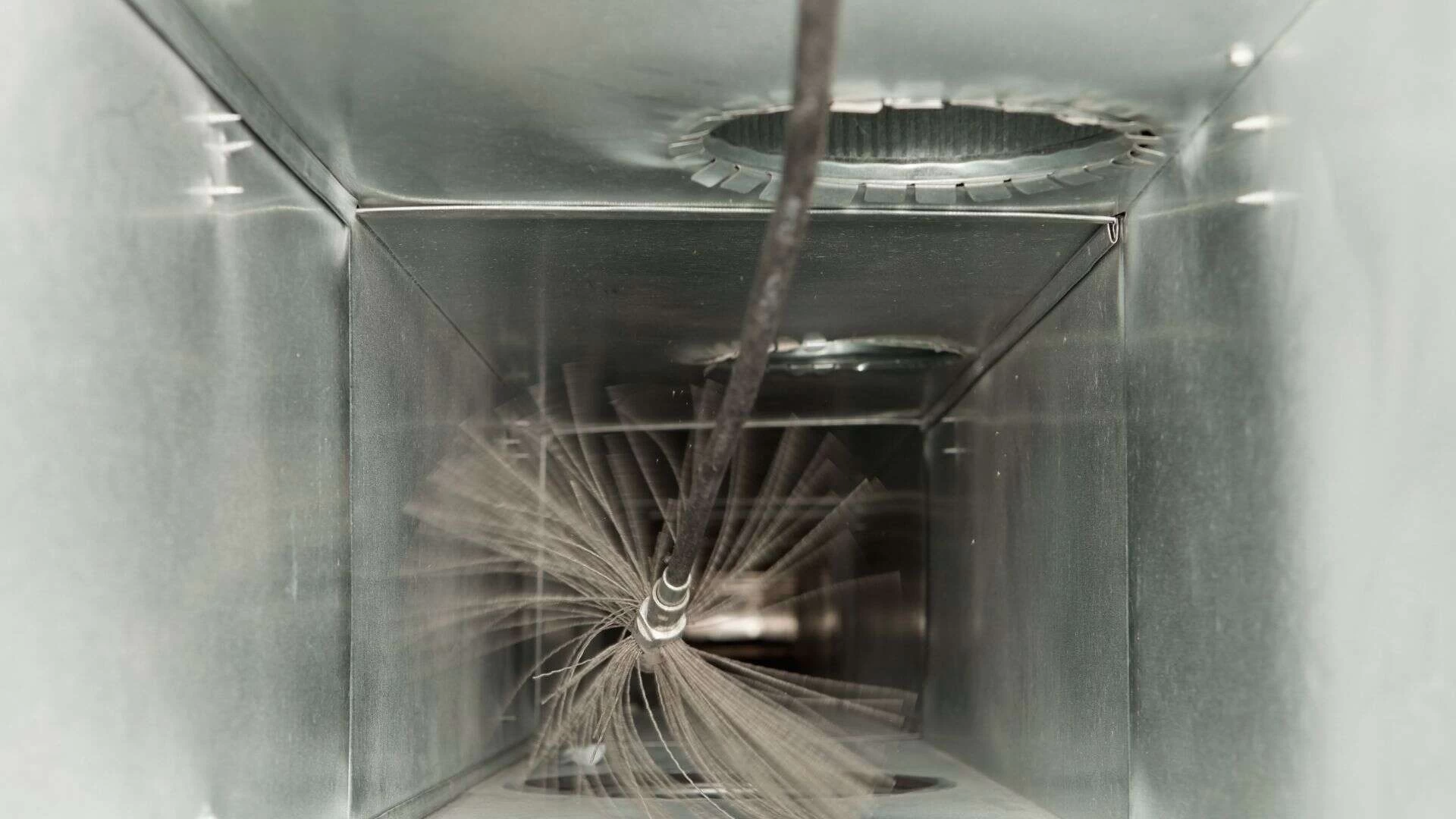
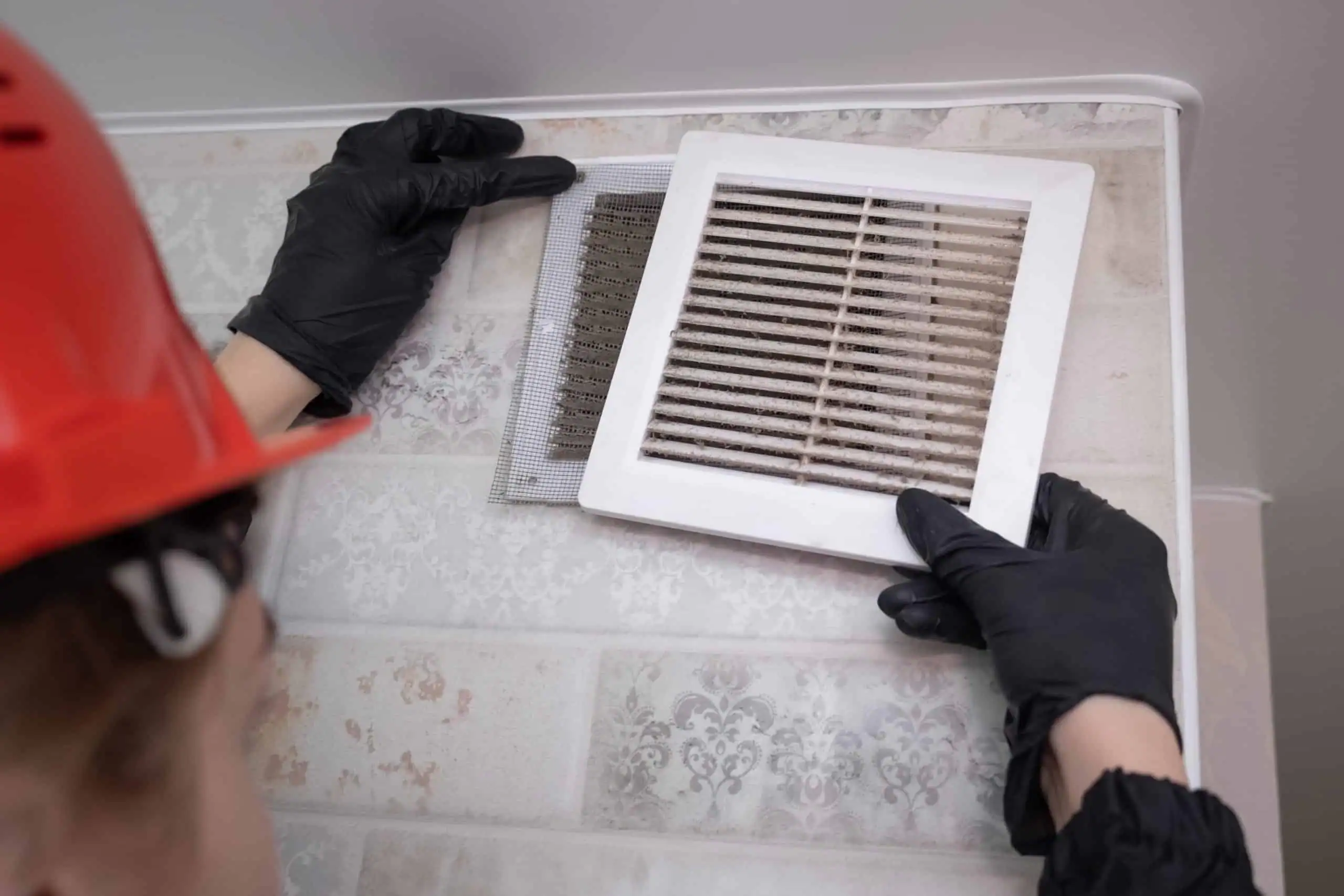
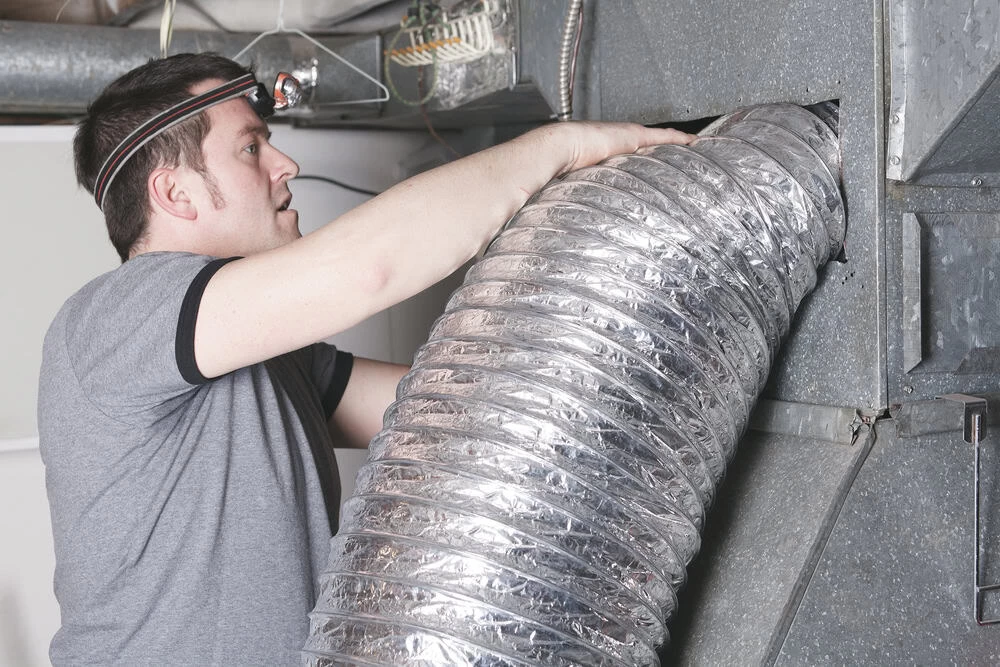
A legitimate cleaning covers the entire system: every supply and return duct, the air handler, the evaporator coils, the drain pan, the plenum, and all registers and grilles. Vent covers are removed, cleaned, and reinstalled. The process uses negative pressure — essentially a powerful HEPA-filtered vacuum — combined with mechanical brushes that dislodge debris from duct walls. Contaminants are captured and removed, not blown into your living space. After the cleaning, airflow is tested to verify the system is performing correctly, and you receive before and after documentation showing what was removed.
If a company is only cleaning the visible sections of duct near the vents, or using compressed air without negative pressure containment, that’s not a complete cleaning. And it’s worth knowing the difference before you schedule.
How to Spot an Air Duct Cleaning Scam Before It Costs You
The “$99 air duct cleaning special” has become one of the most recognized scams in the home services industry, and Sacramento homeowners are not immune to it. The model works like this: a company advertises an impossibly low price to get a technician into your home, and once they’re inside, the price balloons — sometimes to three or four times the original quote — through a combination of “additional vents,” “antimicrobial treatments,” or claims that your system is in dire condition and needs emergency intervention.
Legitimate professional HVAC cleaning in Sacramento typically runs between $300 and $500 for most homes, depending on system size and complexity. That range reflects what it actually costs to do the job properly — the equipment, the time (usually two to four hours), and the thoroughness. If a quote is dramatically below that, it’s worth asking exactly what’s included before anyone shows up at your door.
A few things that signal a trustworthy company: they can clearly explain their process before the visit, they provide a written estimate that doesn’t change once they’re on-site, they use negative pressure equipment (not just a shop vac and a leaf blower), and they offer before and after documentation of the work. Reviews that mention specific technicians by name, describe what was actually found inside the system, and confirm that the final price matched the quote are more reliable than generic five-star ratings.
It’s also worth noting that the EPA has issued guidance cautioning consumers about disreputable operators in this industry — not because duct cleaning itself is a scam, but because the low barrier to entry has allowed bad actors to operate. The service is legitimate and beneficial when done correctly. The key is finding a company that does it correctly, charges fairly, and doesn’t change the story once they’re in your house.
One more thing to watch for: a company that only cleans the ducts without addressing the air handler, coils, and other system components isn’t doing a complete job. Those components accumulate just as much debris as the ducts themselves — sometimes more — and skipping them means the system isn’t actually clean, even if the vents look better.
Common Questions Sacramento Homeowners Ask About HVAC Cleaning
One of the questions we hear most often is some version of: “I change my filter regularly — isn’t that enough?” It’s a fair question, and the honest answer is that filters and duct cleaning serve completely different functions. Filters are designed to capture particles before they enter the system. They don’t clean what’s already built up on the interior duct walls, inside the air handler, or on the evaporator coils. Regular filter changes are part of good maintenance. A professional cleaning is what addresses the accumulation that filters were never designed to reach.
Another common one: “My ducts were cleaned about ten years ago — are they probably still okay?” In most Sacramento homes, probably not. Given the extended cooling seasons, recurring wildfire smoke events, and the valley’s agricultural dust, ten years of operation here puts significantly more through a duct system than ten years in a more temperate climate. If the last cleaning was before the major wildfire seasons of the past several years, there’s a reasonable chance smoke particulate has accumulated since then.
People also ask how they’d know if their system actually needs cleaning. Some signs are obvious — visible dust or debris around the vent covers, musty or stale odors when the system runs, noticeably more dust settling on surfaces than usual. Others are less obvious: energy bills that keep rising without explanation, rooms that don’t cool or heat as evenly as they used to, or allergy symptoms that are consistently worse at home than outside. Sacramento has some of the highest pollen counts in the country, and if your indoor symptoms are worse than your outdoor ones, what’s circulating through your duct system is worth looking at.
Dryer vent cleaning comes up separately, and it’s worth addressing directly: if your dryer is taking two or more cycles to dry a load that used to take one, or if the dryer feels unusually hot to the touch, those are warning signs of a clogged exhaust vent. The National Fire Protection Association reports that failure to clean is the leading cause of dryer fires, accounting for roughly one-third of all dryer fires in the U.S. Cleaning the lint trap after every load is not the same as cleaning the exhaust duct — the duct is where dangerous buildup occurs, and it requires a different tool and a different process to clear properly.
When to Schedule HVAC Cleaning in Sacramento, CA
The honest answer is: if you can’t remember the last time it was done, it’s probably time. In Sacramento’s climate — with summer heat that runs your system harder than almost anywhere in the country, wildfire seasons that deposit smoke particulate directly into your ductwork, and valley dust that never really stops — the standard national cleaning intervals often underestimate how quickly buildup actually happens here.
Spring is the most practical window. Getting the system cleaned before cooling season means you’re starting summer with a system that can breathe properly, run efficiently, and circulate clean air through your home when you need it most. Fall works well too, especially after a significant smoke season or before the heating system takes over.
If you’re in Sacramento, CA and you’re not sure where things stand with your system, we offer free estimates and same-day availability in many areas. Reach out directly — you’ll get a straight answer on what your system needs, a clear price before anyone shows up, and documentation of the work when it’s done.