Summary:
Sacramento summers are not forgiving. When your HVAC is running hard and your home still doesn’t feel right — one room is freezing, another is stuffy, your energy bill keeps climbing — it’s easy to assume the unit itself is the problem. But a lot of the time, the unit is fine. It’s the ductwork that’s failing quietly behind the walls, in the attic, or under the crawl space. Damaged or leaking ducts can drain your system’s efficiency, push allergens through your home, and cost you real money every month without ever announcing themselves. Here’s what to actually watch for — and how to know when it’s time to call someone.
Warning Signs Your Air Ducts May Need Repair
Some duct problems are obvious — a disconnected section in the attic, a visible tear in flexible ductwork, a room that simply gets no airflow. But most of the warning signs are subtler, and they tend to get explained away as “just how the house is” until a homeowner realizes they’ve been paying the price for years.
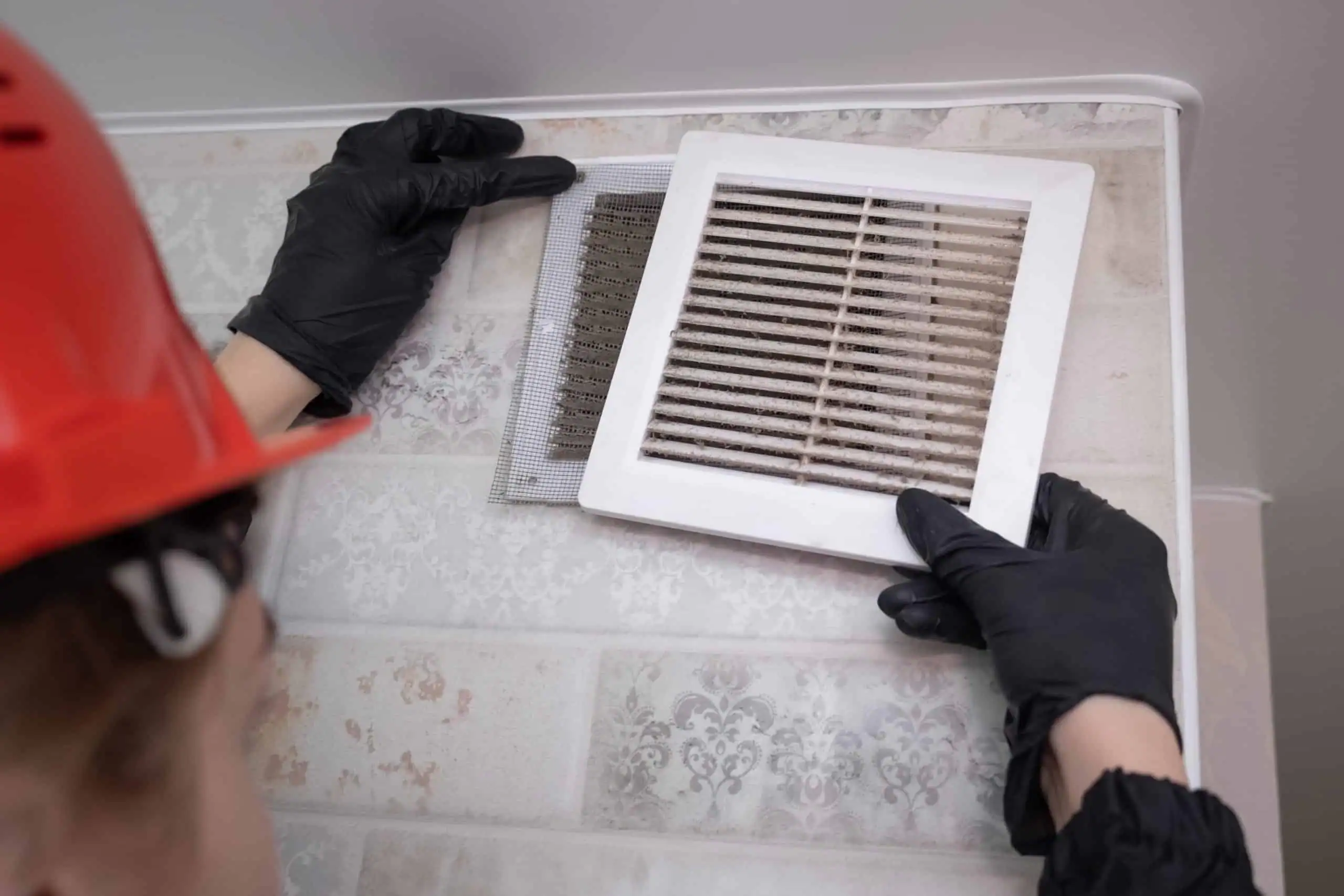
The most common signal is uneven temperatures. If certain rooms in your home are noticeably harder to cool or heat than others — and that’s been true for a while — it usually means conditioned air isn’t reaching those spaces. That air is going somewhere. Often into your attic or wall cavities instead of your living room. The second thing homeowners notice is dust. Not normal dust, but the kind that comes back within a day or two of cleaning, coating furniture and surfaces faster than it should.
Why Sacramento Homes Are Especially Vulnerable to Duct Damage

Sacramento’s environment puts ductwork under conditions that most other California cities don’t face at the same level. Start with the heat. When temperatures push past 100°F — and they regularly do in July and August — your HVAC system is running for extended periods every day. That constant thermal cycling causes duct materials to expand and contract, which over time loosens connections, degrades seals, and causes sections of flexible ductwork to sag or pull apart at the joints.
Then there’s the dust. Sacramento sits at the northern edge of the Central Valley, and the agricultural activity surrounding the region generates a constant supply of fine particulates, pollen, and debris that finds its way into homes and HVAC systems. Homes in areas like Arden-Arcade, Natomas, and Rancho Cordova deal with this year-round. That particulate load accumulates inside ductwork faster than it would in a coastal city, putting more strain on the system and compounding any existing damage.
Wildfire smoke is another factor that Sacramento homeowners know firsthand. During active fire seasons — and the past several years have been severe — smoke infiltrates HVAC systems and deposits odor-causing compounds and fine particulates throughout the ductwork. If your home had a noticeable smoke smell during a fire event and you’ve never had your ducts inspected since, there’s a reasonable chance that contamination is still in there.
Finally, Sacramento’s older housing stock is a real consideration. Many homes in neighborhoods like Curtis Park, Land Park, Oak Park, and Midtown were built in the 1950s through the 1980s. The flexible ductwork installed in that era has a typical lifespan of 15 to 25 years. A lot of it is well past that now. Add in the fact that attic and crawl space conditions in Sacramento’s climate accelerate material degradation — and that rodents are a common problem in those same spaces, chewing through flex duct and creating leaks — and you have a market where duct issues are genuinely common, not just a sales pitch.
What Leaking Ducts Actually Do to Your HVAC System and Your SMUD Bill
Here’s the part most people don’t fully grasp until they see it spelled out. When your ducts are leaking, your HVAC system doesn’t shut off early because it reached the target temperature efficiently — it keeps running because it can’t. The conditioned air it’s producing is escaping into unconditioned spaces before it ever reaches your living areas. Your system compensates by working longer and harder, which drives up your energy consumption without delivering any additional comfort.
The U.S. Department of Energy estimates that the average duct system loses up to 40% of airflow due to leakage and contamination. For Sacramento homeowners on SMUD, that inefficiency shows up directly on your bill — and it’s most painful in the summer months when your system is already running at its highest demand. A significant reduction in HVAC efficiency translates to real money over the course of a Sacramento summer.
The longer-term consequence is equipment wear. An HVAC unit that runs longer than it needs to accumulates more hours of operation, which shortens its service life. Duct repair isn’t just about comfort or air quality — it protects the investment you’ve already made in your HVAC equipment. Sealing leaks and restoring proper airflow lets the system do what it was designed to do, at the efficiency it was designed to achieve. Energy Star data suggests that properly sealed ductwork can reduce energy costs by 20 to 40%, which over several years adds up to a significant return on a relatively modest repair investment.
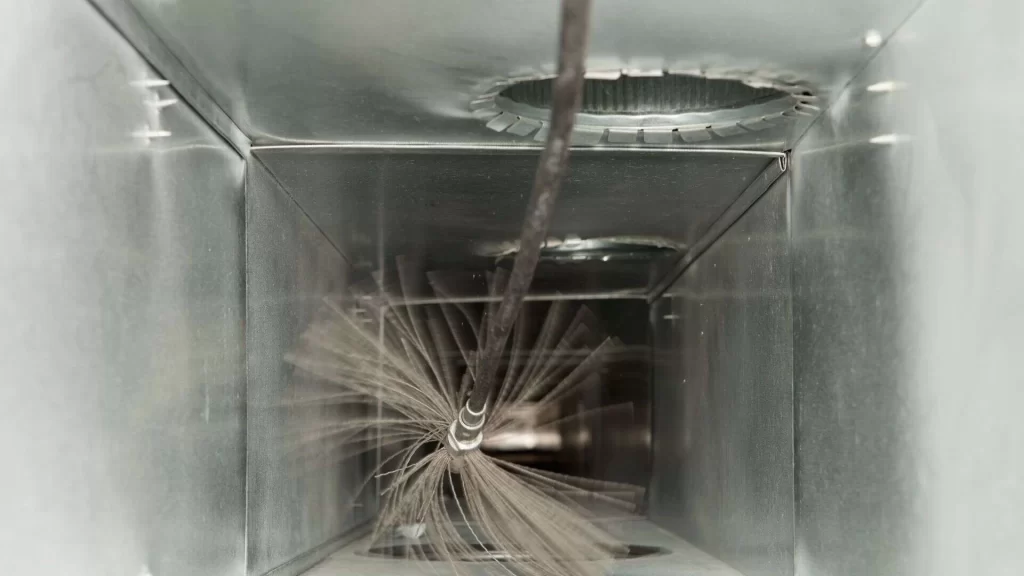
It’s also worth distinguishing between cleaning and repair, because they’re not the same thing. Cleaning removes accumulated dust, allergens, and debris from intact ductwork. Repair addresses physical damage — leaks, disconnections, crushed sections, holes caused by pests or age. A home may need one, the other, both, or neither. That’s exactly why an honest inspection matters before any work begins.
How Air Duct Repair Actually Works — and What to Expect
If you’ve never had duct repair done, the process can feel like a black box. You call someone, they go into your attic or crawl space, and you hope they’re doing what they said they would. Understanding the basic process helps you ask the right questions and recognize whether a company is doing the job properly.
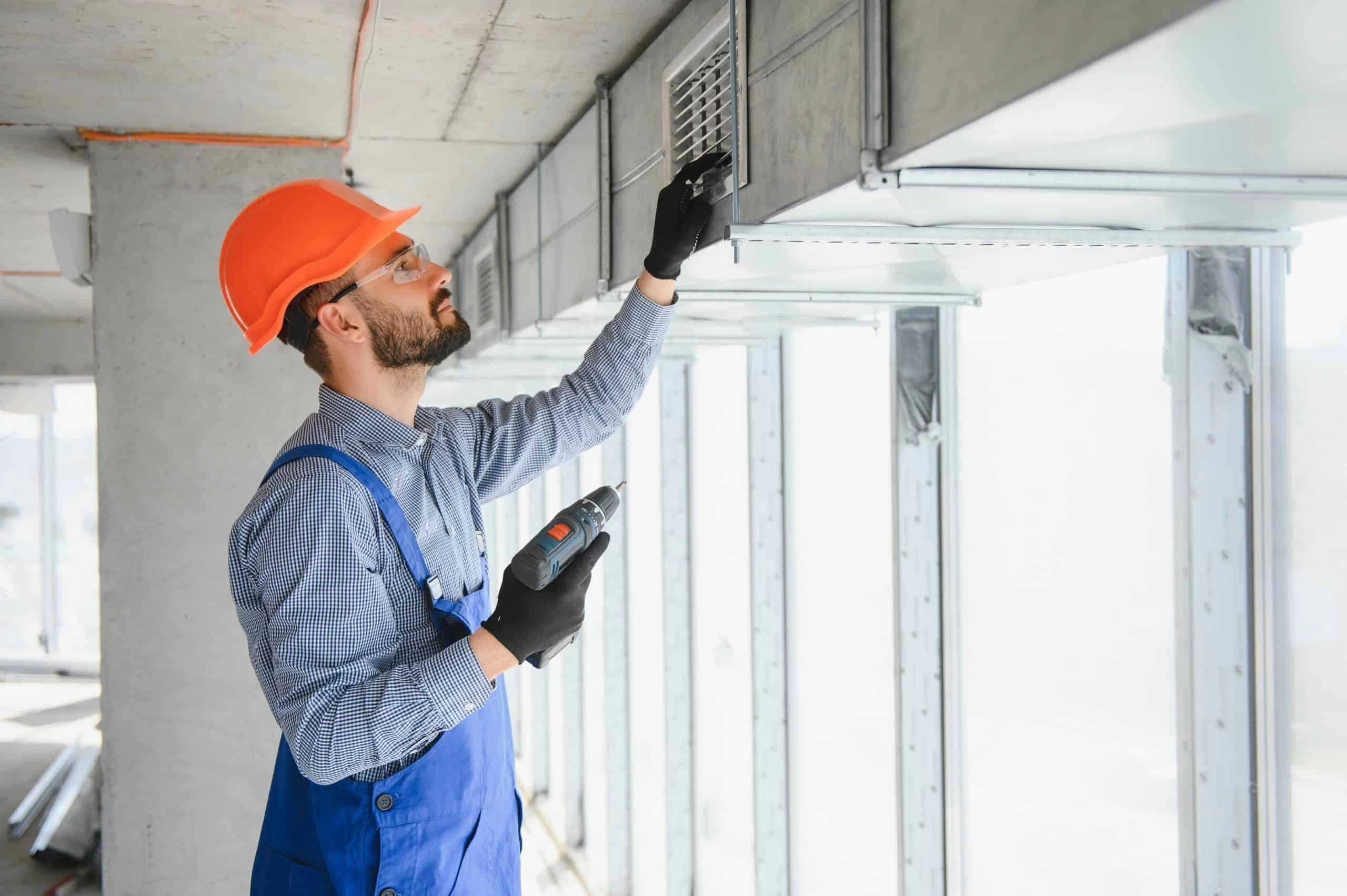
A legitimate duct repair service starts with an inspection — not a sales pitch. A technician should assess the condition of your system, identify where damage exists, and explain what they found before recommending any work. If they’re recommending repair without showing you why, that’s worth questioning. The actual repair work depends on what’s found: sealing leaks with appropriate duct mastic or metal tape, reconnecting sections that have pulled apart, replacing sections of flex duct that are too deteriorated to seal, or addressing pest damage in attic runs.
Should You Repair or Replace Your Air Ducts?
This is the question homeowners ask most often once they find out their ductwork has problems, and the honest answer is that it depends on the extent of the damage and the age of the system.
Repair makes sense when damage is isolated — a disconnected joint here, a small leak there — and the overall system is otherwise in reasonable condition. If your ductwork is under 15 years old and the issues are localized, repair is almost always the more cost-effective path. A targeted fix restores efficiency without the disruption and cost of a full replacement.
Replacement becomes the better conversation when the system is old enough that it’s failing in multiple places, when the duct material itself has degraded beyond the point where sealing holds, or when a home’s layout has changed in ways that make the original duct design inefficient. Full duct replacement for a typical Sacramento home runs anywhere from $1,500 to $7,000 depending on size, accessibility, and configuration — which is a meaningful investment, but one that pays back in energy savings and equipment longevity over time.
The key is getting an honest assessment from someone who isn’t financially motivated to push you toward the more expensive option. We inspect your system and tell you repair is sufficient — or even that nothing needs to be done right now — because that’s how we’ve built our reputation. That’s the conversation we have with every Sacramento homeowner before we recommend anything.
Frequently Asked Questions About Duct Repair Services in Sacramento
**How do I know if my air ducts are leaking?** The most reliable way is a professional inspection, but there are signals worth paying attention to before you call anyone. Rooms that don’t cool or heat evenly, a home that seems dustier than it should be, SMUD bills that have crept up without a change in your habits, or a musty smell coming from your vents are all worth taking seriously. In Sacramento, homes with attic ductwork are particularly susceptible because attic conditions — extreme heat, rodent activity, age-related material breakdown — accelerate the damage that causes leaks. If you’re noticing these signs in your Sacramento home, it’s worth getting a professional assessment.
**Is the $99 air duct cleaning offer legitimate?** Almost never. This is one of the most well-documented scams in the home services industry, and Sacramento homeowners encounter it regularly. A company advertises a very low introductory price, arrives at your home, and then claims the system needs additional treatments, antimicrobial applications, or repairs — inflating the final bill to three or four times what was quoted. A legitimate, thorough cleaning of a typical Sacramento home cannot be profitably done for $99. If you see that offer, treat it as a red flag and ask pointed questions about what the final price actually includes before anyone comes out.
**How often should Sacramento homeowners have their ducts inspected?** Industry guidance from NADCA suggests inspection every three to five years, with cleaning performed when contamination warrants it. For Sacramento specifically, that timeline can compress. The combination of Central Valley dust, agricultural pollen, and wildfire smoke seasons means that ductwork accumulates particulates faster here than in cleaner environments. If you’ve been through a significant smoke event and haven’t had your system looked at since, that’s a reasonable prompt for an inspection regardless of when the last one was.
**Can I just clean my ducts instead of repairing them?** You can, but if there are leaks present, the cleaning is a partial fix at best. Leaky ducts allow new contamination to enter from attic spaces and crawl spaces — so you’re cleaning a system that will re-contaminate faster than it should. Repair and cleaning often need to go together to get a durable result. The inspection determines which one — or both — actually applies to your situation.
**How long does duct repair take?** It varies based on the scope of the work and the accessibility of your ductwork, but most residential jobs in Sacramento are completed within a few hours. Attic access, the number of problem areas, and the type of repair needed all factor in. We’ll give you a realistic time estimate before the work starts so you’re not left guessing.
Finding a Duct Repair Contractor in Sacramento You Can Actually Trust
The duct repair industry has a reputation problem, and it’s earned. Between bait-and-switch pricing and companies that recommend work whether it’s needed or not, a lot of Sacramento homeowners approach this category with justified skepticism. That skepticism is healthy. The right contractor will welcome your questions, show you what they found before recommending anything, and give you a price that doesn’t change when the job is done.
If you’re noticing the warning signs covered here — uneven temperatures, rising SMUD bills, persistent dust, unusual smells — it’s worth getting an honest set of eyes on your system. Not to commit to anything, but to know what you’re actually dealing with.
We’ve been serving Sacramento County homeowners for over a decade. Owner Jorge Mendoza is directly involved in every job, and our approach is straightforward: inspect first, recommend only what’s genuinely needed, and charge exactly what was quoted. If your ducts are fine, we’ll tell you. If they need attention, we’ll show you why. Reach out whenever you’re ready — no pressure, no surprises.