Summary:
You dust the shelves. You vacuum the floors. You wipe down the ceiling fans. And three days later, everything looks like you never touched it. If that sounds familiar, you’re not imagining things — and you’re probably not cleaning poorly either. In Carson City, persistent household dust is one of the most common complaints we hear from homeowners, and more often than not, the ductwork is at the center of it. Your HVAC system moves air through every room in your home, and if the ducts are full of accumulated debris, that debris goes with it. Here’s what’s actually happening — and what you can do about it.
Why Dirty Air Ducts Make Your House Dustier
Every time your heating or air conditioning kicks on, air gets pushed through a network of ducts and out through the vents in your walls, floors, and ceilings. If those ducts have years of accumulated dust, skin cells, pet dander, and debris clinging to the interior walls, that air picks up some of what’s sitting there on its way through.
It doesn’t take a massive buildup to notice the effect. Even a moderate layer of settled debris inside the ductwork can get disturbed and redistributed throughout your living space every single time the system cycles. You clean it off the surfaces, the system runs again, and the cycle repeats. That’s not a cleaning problem — that’s a circulation problem.
What's Actually Building Up Inside Your Air Ducts

Most people picture dust as a simple, harmless nuisance. What’s actually accumulating inside a typical home’s ductwork is far more complex. House dust is a mixture of dead skin cells, textile fibers, pollen, pet dander, hair, chemical residues, decaying organic matter, dust mites, bacteria, and fungi. The average six-room home accumulates up to 40 pounds of this material inside its duct system every year.
That figure tends to surprise people, but it makes more sense when you consider that the average person sheds over a pound of dead skin annually — and that’s just one ingredient.
In Carson City specifically, the composition of that buildup gets heavier faster than in most parts of the country. The city sits at the eastern base of the Sierra Nevada at roughly 4,700 feet, surrounded by the wide-open terrain of the Carson Valley and the Great Basin desert. That geography channels dry, fine-particulate desert dust directly into the valley — and into homes. Local HVAC professionals consistently flag the Carson City area as having an exceptional dust load, and the recommendation here is to clean ducts every three to five years rather than the longer intervals that might apply in a wetter, less dusty climate.
What makes Carson City’s situation particularly worth paying attention to is that the dust problem isn’t seasonal. With an average of 265 sunny days per year, warm dry summers, and cold dry winters, your HVAC system runs year-round — and it’s pulling in outside air year-round. That means accumulation happens continuously, not just during one part of the year.
Add in the wildfire smoke events that affect Northern Nevada and the Sierra Nevada foothills during summer and fall, and the picture gets more serious. Smoke particles are fine enough to pass through standard filters and settle inside ductwork, compounding what’s already there. A system that was borderline-dirty before fire season can be genuinely contaminated afterward.
Will Changing Your Air Filter Fix the Dust Problem?
This is one of the most common questions we get, and it’s a reasonable one. Filters do real work — they catch airborne particles before they enter the system and help keep the air handler and coil cleaner over time. Upgrading to a higher-efficiency filter or changing it more frequently is always a good idea.
But a filter only addresses what’s moving through the air stream at that moment. It doesn’t reach back into the ductwork and remove what’s already adhered to the interior walls. Think of it this way: if you spilled flour inside a long cardboard tube and then taped a coffee filter over one end, the filter would catch some flour as air moved through — but it wouldn’t clean out what’s already stuck to the sides of the tube. Your ductwork works the same way.
The debris that has settled and bonded to the interior surfaces over months or years stays there regardless of what filter you put on the system. This is also why some homeowners notice that their dust problem persists even after upgrading to a high-MERV filter. The filter is doing its job, but the source of the redistribution is upstream of it.
A thorough professional cleaning addresses the source directly — the accumulated debris inside the duct walls, the return vents, the supply vents, and the connected system components. That’s the part that filters simply can’t reach.
The EPA doesn’t recommend duct cleaning as routine maintenance for every home on a fixed schedule. What they do say is that cleaning is warranted when there’s substantial contamination — visible debris, confirmed mold growth, or evidence of pest infestation. In Carson City’s high-dust environment, that threshold tends to get crossed faster than in less demanding climates.
Signs Your Carson City Home May Need a Duct Inspection
There’s no universal timer on when duct cleaning becomes necessary. It depends on your home, your household, your local environment, and what’s been happening in and around your property. That said, certain signs tend to show up consistently when ductwork has reached a point where it’s contributing to air quality and dust issues.
The most obvious one is visible dust blowing from the vents when the system starts up. If you can see it, the buildup has gotten significant. Other common indicators include dust resettling on surfaces within a day or two of cleaning, worsening allergy or respiratory symptoms indoors that improve when you leave the house, a stale or musty smell when the HVAC kicks on, and a general sense that the air inside feels heavier or less clean than it should.
How Long Has It Been Since Your Ducts Were Last Cleaned?
This is the question that stops most homeowners cold. If you’ve lived in your home for years and can’t remember a duct cleaning ever happening, there’s a reasonable chance it hasn’t. If you recently moved into an older home, the history of the ductwork is almost certainly unknown to you.
In Carson City, where the dust load is heavier than most markets and wildfire smoke seasons have become a recurring factor, the gap between “probably fine” and “worth having looked at” closes faster than people expect.
Homes with pets accumulate debris more quickly because pet dander and hair are among the stickiest components of duct buildup — they bond to surfaces and don’t move easily with normal airflow. Households with allergy sufferers, young children, or anyone with a respiratory condition have more at stake when air quality is compromised. Any home that has undergone renovation work — even something as routine as drywall repair or flooring replacement — may have introduced a significant amount of fine construction dust into the system.
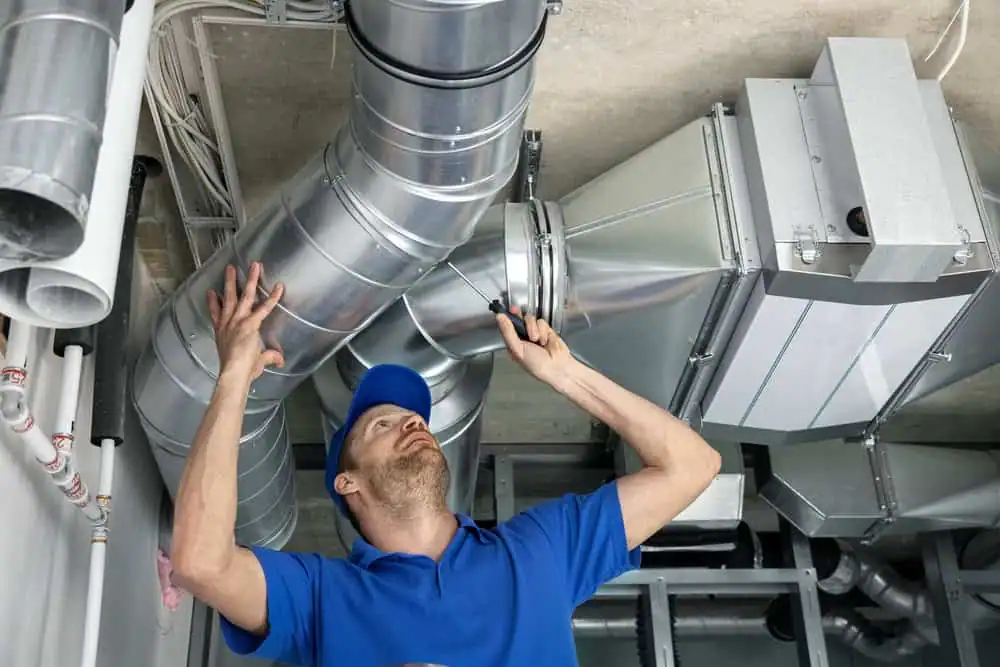
The honest answer is that there’s no way to know what’s inside your ducts without looking. That’s why we start with an inspection rather than assuming cleaning is automatically needed. If the system is in reasonable condition, we’ll tell you. We only recommend cleaning when the evidence actually warrants it — and we’ll show you what we find before any work begins.

What Does a Real Air Duct Cleaning Actually Involve?
This is worth understanding before you book anyone, because the difference between a legitimate cleaning and a fraudulent one is significant. The industry has a documented problem with operators who charge very little upfront and then pressure homeowners into expensive add-ons once they’re inside the home. You may have heard of the “$99 whole-house cleaning” offer. That price point is a known red flag.
A thorough professional cleaning of a typical home takes two to six hours. Any company claiming to finish in thirty minutes is not doing the job properly.
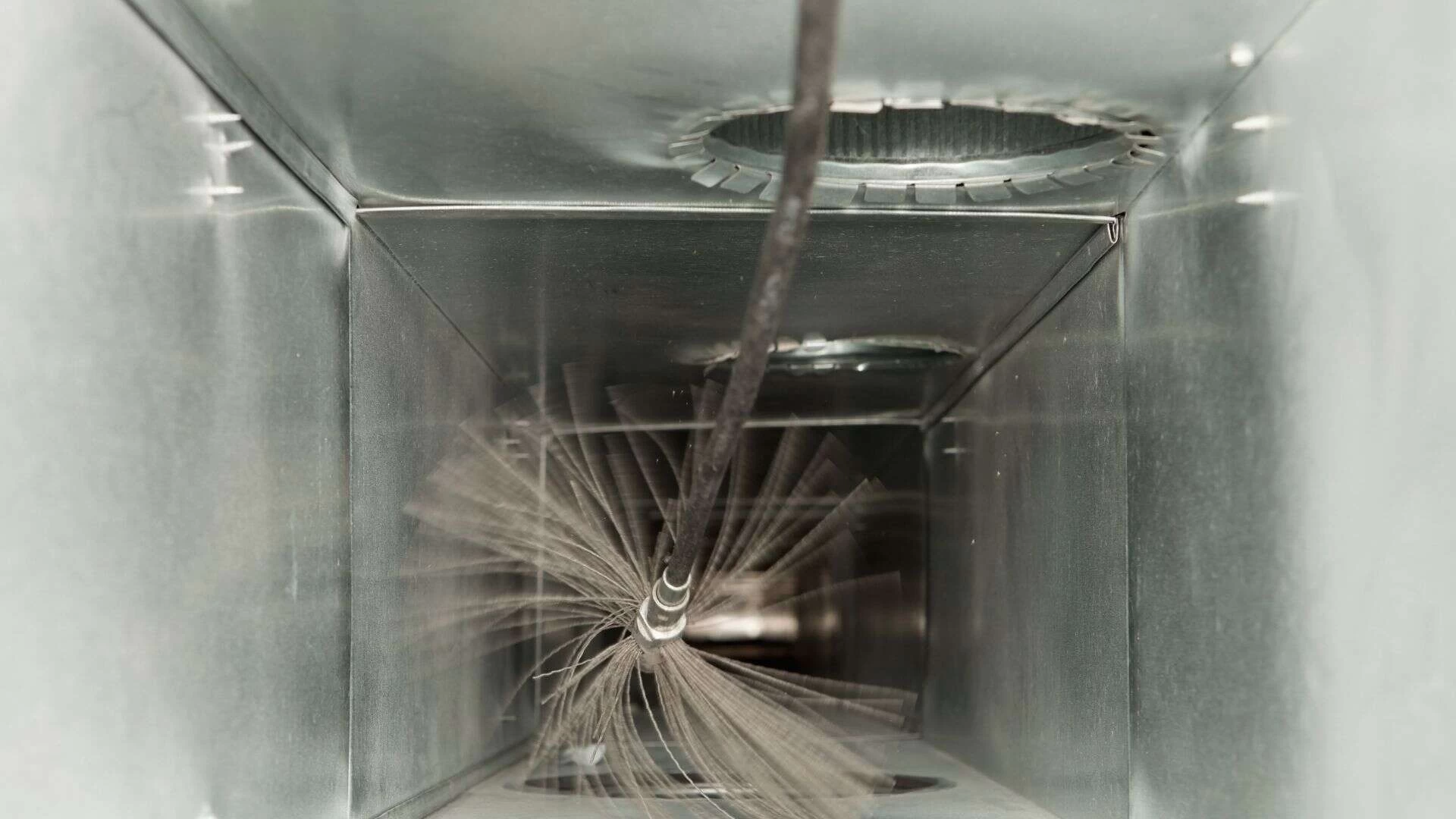
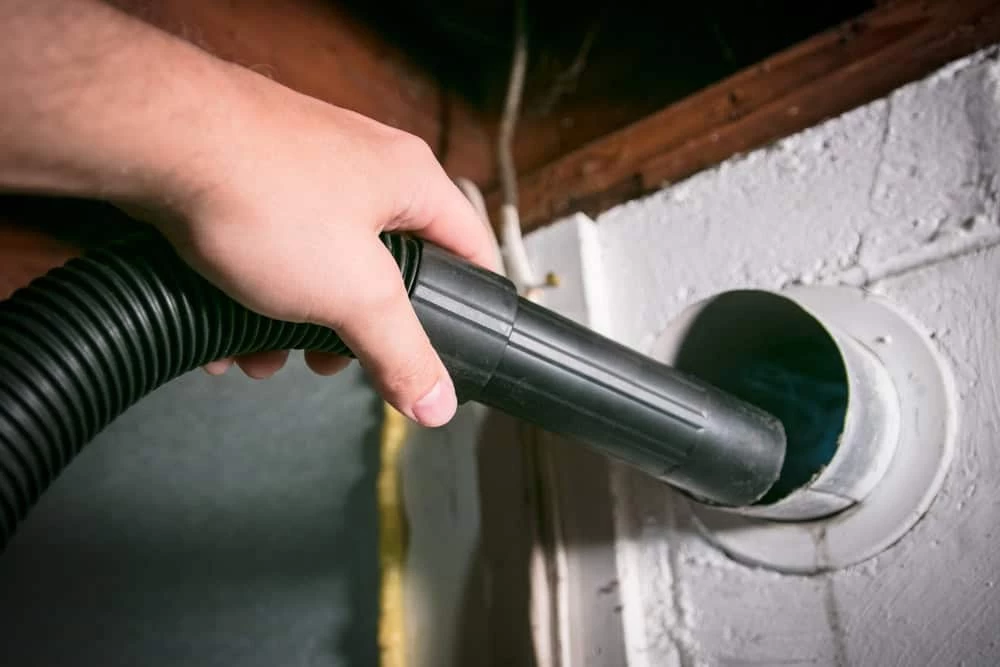
A genuine air duct cleaning follows a specific process. It starts with a full inspection of the system to assess what’s actually present. Then, agitation tools — rotary brushes, air whips, or compressed air devices — are used to break loose the debris that has bonded to the interior duct walls. That loosened material is then extracted using negative air pressure equipment with HEPA filtration, which captures the contaminants rather than redistributing them into the living space.
The process covers return vents, supply vents, and the connected components of the system. Before-and-after documentation — photos showing what was found and what was removed — gives you something concrete to verify the work was actually done.
At Home Safe Air Duct & Dryer Vent Cleaning, our process follows that standard. Owner Jorge Mendoza is directly involved in operations, which means the person accountable for the quality of the work isn’t removed from it. We give quotes over the phone based on your vent count, so there are no surprises when we arrive. And if an inspection shows your system doesn’t need cleaning, that’s what we’ll tell you — because the goal is to solve the actual problem, not to sell a service regardless of whether it’s warranted.
Getting Ahead of Dust in Carson City Starts With the Right Diagnosis
Persistent dust in a Carson City home isn’t always a mystery. When surfaces keep coating over despite regular cleaning, when the air feels off, when allergy symptoms are worse inside than outside — the ductwork is a logical place to look.
Between the high-desert dust load, the dry year-round climate, and the increasing impact of wildfire smoke seasons, this is a market where HVAC systems work harder and accumulate debris faster than most. The fix isn’t always dramatic. Sometimes an inspection confirms things are fine. But when cleaning is warranted, addressing the source of the recirculation makes a real difference — not just in how dusty your home looks, but in the quality of the air your household is actually breathing every day.
If you’re in Carson City and the dust situation has been nagging at you, reach out to Home Safe Air Duct & Dryer Vent Cleaning for a straightforward assessment. No pressure, no guesswork — just an honest look at what’s going on inside your system.