
Summary:
You changed the filter. Maybe you changed it twice. The smoke cleared, the AQI numbers came back down, and life moved on. But there’s a good chance your HVAC system is still holding onto what came in during those days when Sacramento’s air turned orange and the sky went dark by noon. Wildfire smoke doesn’t just pass through your home — a significant portion of it settles inside your ductwork, and no filter swap is going to pull it back out. This page explains what’s actually happening inside your system, what it means for your family’s air, and what a thorough cleaning looks like when done right.
What Wildfire Smoke Actually Does to Your HVAC System
When smoke from a fire like the 2018 Camp Fire or the 2021 Caldor Fire rolls into the Sacramento Valley, it doesn’t just hang in the outdoor air. The moment your HVAC system is running — even with a fresh filter installed — it’s pulling that air in. Some of the particles get caught at the filter. A lot of them don’t.
Standard HVAC filters capture somewhere around 10 to 15 percent of airborne particles. The rest moves through the system and settles on the interior surfaces of your ductwork, your air handler, your coils, and your drain pans. It builds up in layers. And every time your system kicks on after that, it recirculates whatever is sitting in there.
Why Wildfire Ash Is More Damaging Than Regular Dust

Regular household dust is mostly inert. Wildfire ash is not. The particles produced by large-scale fires — the kind that burn through tens of thousands of acres of forest, structures, and vegetation — carry chemical compounds that are occasionally acidic. When that ash settles inside your HVAC system, it doesn’t just sit there passively. Over time, it can corrode the metal fins on your coils, degrade the lining of your flex ducts, and cause rust to form on components that were never designed to handle that kind of exposure. Left long enough, it can contribute to short circuits in electrical components and accelerate the breakdown of the system overall.
This is a Sacramento-specific reality. The Sacramento Valley’s geography — surrounded by foothills and forests to the east and north — means the region sits directly in the path of smoke from major fire events. The Camp Fire in 2018 briefly made Sacramento the most polluted major city on Earth by AQI measurement. The Dixie Fire in 2021, the Caldor Fire that same year, and the Mosquito Fire in 2022 all pushed extended periods of hazardous air quality into the valley. Each of those events was an opportunity for smoke to enter residential HVAC systems and settle in.
There’s also the inversion layer problem. Sacramento’s Central Valley geography creates temperature inversions that trap smoke and pollution at ground level rather than dispersing it upward. During fire season — which runs roughly July through October — the valley can hold smoke for days at a time, giving your HVAC system repeated, prolonged exposure. A filter rated MERV 13, which is what the EPA recommends for wildfire smoke, will reduce what enters the system going forward. But it does nothing about what’s already inside, and it can’t neutralize the acidic compounds that have already made contact with your ductwork and mechanical components.
The bottom line is that wildfire smoke isn’t just an air quality inconvenience — it’s a slow-acting problem that compounds with every fire season. Homeowners in Natomas, Rancho Cordova, Elk Grove, Folsom, and every other community in Sacramento County are dealing with this whether they realize it or not.
How Long Does Wildfire Smoke Stay in Your Ductwork?
This is the question most homeowners don’t think to ask until they’re still noticing a faint smell months after a fire. Microscopic wildfire smoke residue can linger in ductwork for months after a fire event ends. The particles are small enough to penetrate deep into the system — past the filter, past the visible vent covers, and into the supply and return ducts where they sit undisturbed between HVAC cycles.
Every time your system runs, it stirs up a portion of what’s settled in there and sends it back into your living space. You may not smell it every time, but it’s circulating. For families with young children, elderly members, or anyone with asthma or respiratory sensitivities, that ongoing recirculation is a genuine health concern.
The other factor worth understanding is that Sacramento’s tule fog season follows wildfire season almost immediately. As fall transitions into winter, the valley’s characteristic ground fog increases indoor humidity levels. When that humidity interacts with ash and particulate matter that’s already settled in your ductwork, the conditions for mold growth become more favorable. It’s not guaranteed, but it’s a real risk — particularly in older homes in neighborhoods like Land Park, East Sacramento, and Midtown, where ductwork may be decades old and has never been professionally cleaned.
Waiting until you can see or smell a problem is waiting too long. The nature of ductwork is that it’s hidden. By the time something is visibly wrong, it’s already been wrong for a while.
What Professional Air Duct Cleaning Actually Involves
There’s a lot of confusion in the market about what air duct cleaning is — mostly because a significant portion of companies offering it aren’t doing it properly. A thorough, professional cleaning isn’t a technician removing your vent covers, blowing some air through the system, and calling it done. That’s not cleaning.
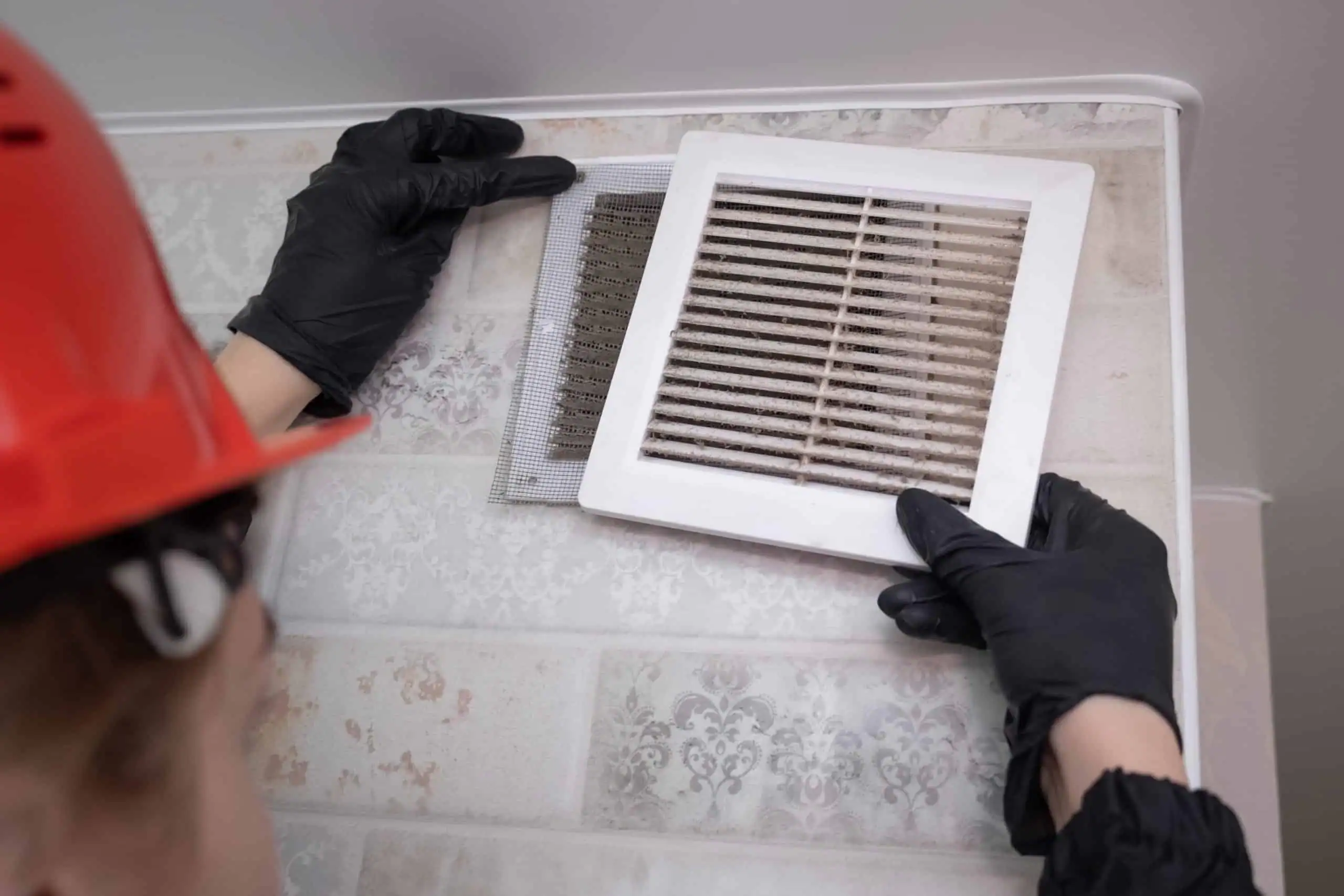
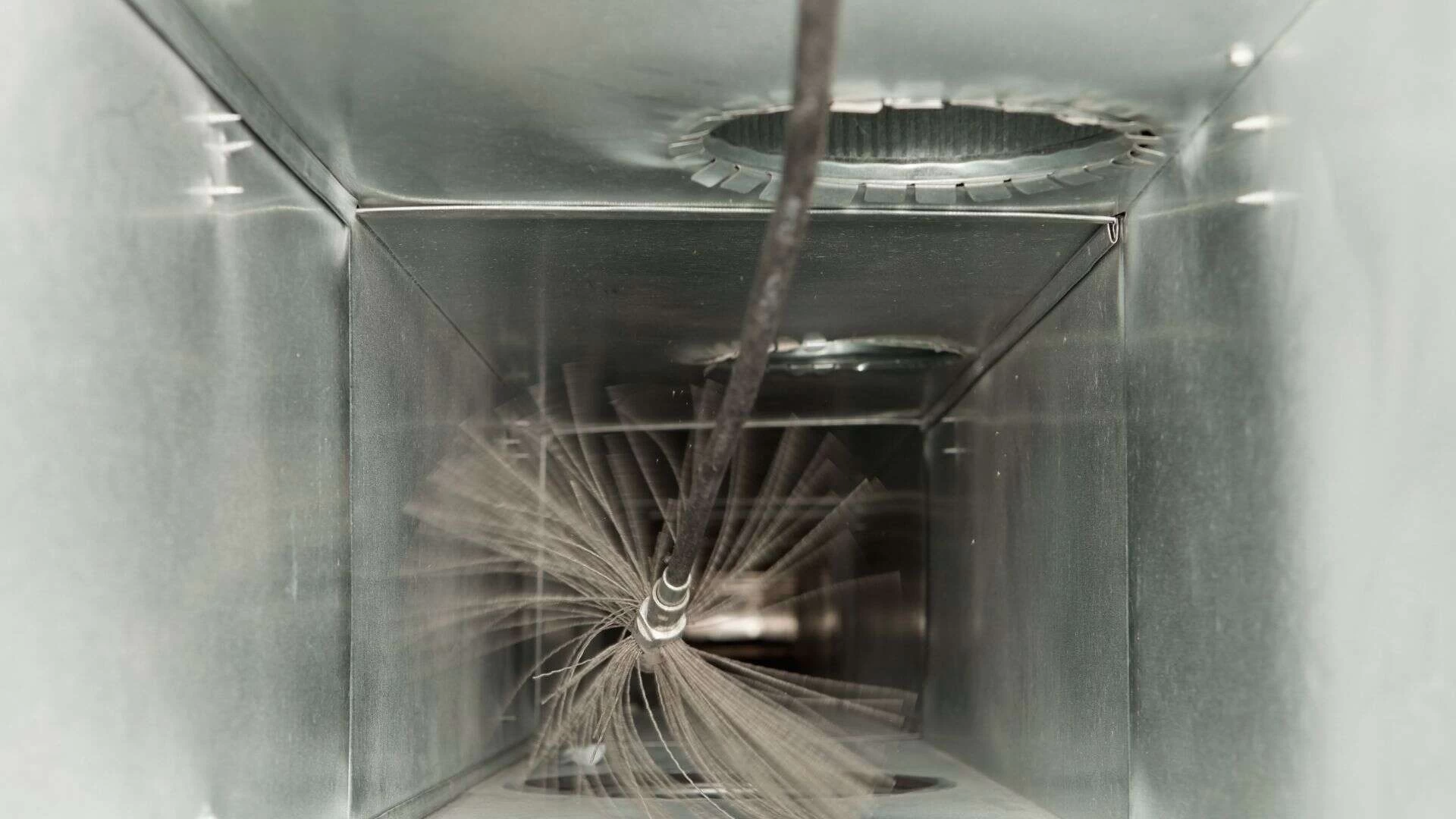
Real HVAC cleaning means accessing and cleaning the entire system: all supply and return ducts, the air handler, the plenum, cooling coils, drain pans, registers, and grilles. The industry standard — established by NADCA, the National Air Duct Cleaners Association — involves placing the system under negative pressure using a HEPA vacuum while mechanically agitating the interior surfaces to dislodge what’s settled there. For a typical residential HVAC cleaning, a thorough job takes two to four hours.
How to Tell If You're Getting a Real Cleaning or a Bait-and-Switch
The $99 whole-house air duct cleaning offer is one of the most common scams in the home services industry, and Sacramento homeowners encounter it regularly. The way it works is straightforward: a company advertises an unusually low price to get in the door, then uses high-pressure tactics to upsell add-ons once they’re inside — or simply does a superficial job and leaves.
A legitimate residential HVAC cleaning should take a minimum of two hours for a smaller home and closer to three or four hours for anything larger. If someone is quoting you a job that will be done in 45 minutes, that’s not a cleaning — it’s a vent cover removal and a photo opportunity. Legitimate companies will also inspect the system before quoting, give you a firm price upfront, and show you what was removed when the job is done.
We’ve seen what comes out of ducts in Sacramento homes that have never been cleaned — particularly in older neighborhoods where the ductwork has been in place since the 1960s or 1970s. The amount of accumulated debris, including wildfire ash, insulation particles, dust, and in some cases mold, is significant. When we finish a job, we walk the homeowner through what we found and what we removed.
The other thing worth knowing is that legitimate air duct cleaning does not require biocide treatments or duct sealants as a standard part of the service. Some companies push these add-ons aggressively. The EPA and NADCA do not recommend routine chemical treatments as part of standard duct cleaning. If a company is insisting you need them before they’ve even inspected your system, that’s a red flag.

What Sacramento Homeowners Should Expect From a Reputable Duct Cleaning Company
The short version: transparency, a thorough process, and no surprises on the invoice. A reputable company will inspect your system before cleaning, give you a clear price before any work begins, and stick to that price when the job is done. You should never walk away feeling like you were upsold into something you didn’t need or misled about what the work would cost.
Beyond pricing, the process itself should be comprehensive. Every vent cover should come off, get cleaned, and go back on. The air handler, coils, and drain pans should be included — not treated as optional upgrades. The technician should be able to tell you what they found and show you the results.
For Sacramento homeowners specifically, there are a few additional things to consider. Homes built in the 1950s through the 1980s — common across Midtown, Land Park, Curtis Park, and parts of Rancho Cordova — often have original galvanized steel ductwork that requires careful handling. Newer construction in Elk Grove, Natomas, and Folsom typically uses flexible duct material, which has its own set of cleaning requirements. We understand these differences and adjust our approach accordingly based on what we find in your home.
We also want to be direct about something: not every home needs a cleaning every year. NADCA’s general recommendation is every three to five years under normal conditions. Sacramento’s conditions — wildfire smoke, agricultural dust, seasonal pollen, and valley inversions — are not normal. If you’ve gone through multiple fire seasons without a cleaning, or if you moved into a home and have no record of when the ducts were last serviced, that’s a reasonable trigger. If you had your ducts cleaned two years ago and haven’t been through a significant smoke event since, you may be fine. We’ll tell you honestly either way.
When to Schedule Air Duct Cleaning After a Sacramento Wildfire
If your home was in the path of smoke during any of the major fire events of the last several years — the Camp Fire, the Caldor Fire, the Dixie Fire, the Mosquito Fire — and your ducts haven’t been professionally cleaned since, it’s worth at minimum getting an inspection. Not because something is guaranteed to be wrong, but because the only way to know what’s in there is to look.
The filter you changed did its job. It caught what it could. What it couldn’t catch is the part that matters now. Wildfire ash, fine particulate matter, and chemical residue don’t announce themselves. They just keep circulating quietly every time your system runs.
If you’re in Sacramento, CA or the surrounding area and want a straight answer about what’s actually in your ductwork, reach out to us at Home Safe Air Duct & Dryer Vent Cleaning. No pressure, no hidden fees, and no guessing — just an honest look at your system and a clear answer about what, if anything, needs to be done.