
Summary:
Standard Air Duct Cleaning Frequency Guidelines
The National Air Duct Cleaners Association (NADCA) recommends air duct cleaning every 3 to 5 years as a general rule. This timeline serves as a baseline for most homes under normal conditions.
With certain advanced cleaning methods, that recommendation can extend to 6 to 8 years. However, these standard guidelines don’t account for San Antonio’s specific climate challenges. Your local environment includes high humidity, frequent dust, and seasonal pollen that can accelerate the need for cleaning.
The key is understanding that these are starting points, not rigid rules. Your actual cleaning schedule depends on several factors specific to your home and lifestyle.
How San Antonio's Climate Affects Your Cleaning Schedule
Picture a normal summer afternoon on the South Texas plain—air wavers with heat, cedar pollen counts are high, and your AC has been running since dawn. You step inside for relief, yet a faint musty smell hovers, and dust settles on surfaces within a day of cleaning. This scenario points directly to why San Antonio homes need more frequent attention.
San Antonio’s long cooling seasons and frequent humidity mean ductwork faces heavy, year-round use, leading to accumulation of dust, pet dander, and outdoor allergens on internal walls and coils. Unlike northern climates where HVAC systems get seasonal breaks, yours works overtime.
Local factors include high humidity, frequent dust, seasonal pollen, and foundation movement from clay soil that can affect duct alignment. These conditions create an environment where contaminants build up faster than the national average suggests.
The best timing for cleaning is spring or fall to avoid peak HVAC use and allergy spikes. This scheduling helps you address accumulated debris before your system works hardest during summer months.
Your AC system’s constant operation during San Antonio’s extended summer season means it’s pulling in more outdoor air, filtering more particles, and creating more opportunities for buildup. In climates where air conditioners work overtime and heating systems handle unpredictable winters, higher HVAC use means faster duct buildup.
When San Antonio Homes Need More Frequent Cleaning
If your household includes shedding pets or allergy sufferers, duct cleaning should happen every 2 to 3 years. San Antonio’s high pollen counts during spring and fall make this timeline even more critical for sensitive family members.
The number of people and pets in your household impacts ductwork cleanliness. More residents and pets mean more dust, hair, and dander circulating through your HVAC system. In San Antonio’s climate, this debris doesn’t have seasonal breaks to settle—it keeps circulating year-round.
People sensitive to allergens should consider more frequent cleaning when dealing with pet hair, dander, pollen, cigarette smoke, or home remodeling projects that make ducts dirty faster. Cedar fever season alone can introduce massive amounts of pollen into your system.
Several factors determine cleaning frequency: HVAC system usage, air quality concerns from pollen or pollution, household size and lifestyle, and pets that contribute to faster buildup. San Antonio hits several of these factors simultaneously.
Construction and renovation projects require immediate attention. Even when contractors are diligent about cleanup, dust and debris find their way into ductwork during construction, and this dust can contain nasty particulate matter you don’t want to breathe. In San Antonio’s dusty environment, this problem compounds quickly.
Warning Signs Your Air Ducts Need Immediate Attention
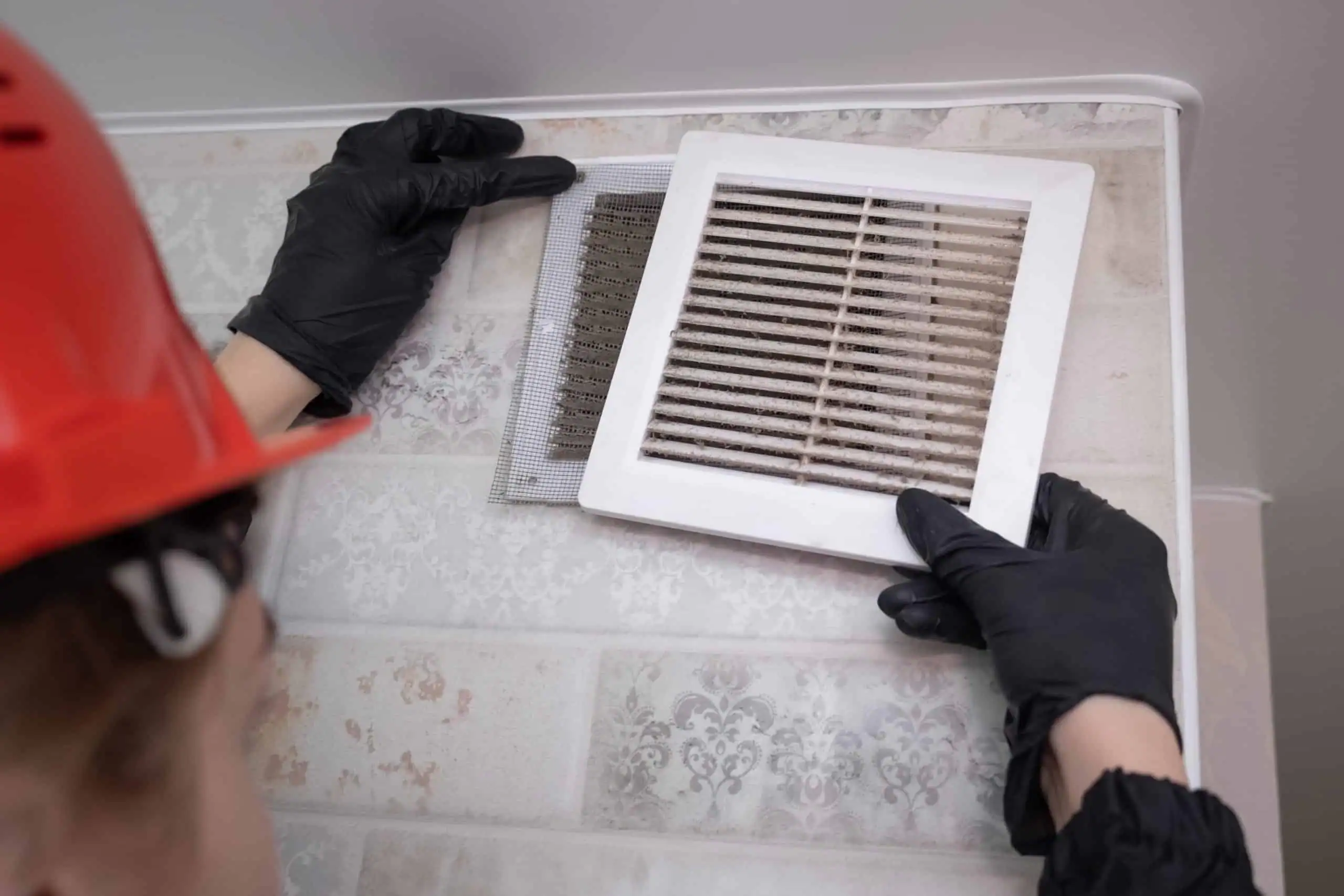
Don’t wait for your scheduled cleaning if warning signs appear. You may notice dust coming out of vents every time the HVAC system kicks on. Look at air supply and return vents—if they’re visibly dirty or dusty, carefully remove a cover and look into the ductwork.
A clear sign of dirty air ducts is a small puff of dust when the HVAC system starts running. Normally, air ducts don’t release visible dust when the system switches on. In San Antonio’s dusty environment, this sign often appears sooner than in other climates.
The EPA says duct cleaning is essential if you see visible mold, pest infestations, or excessive dust and debris coming from vents. These conditions develop faster in humid climates like San Antonio’s.
Energy Bills and System Performance Issues
Your heating and cooling bills should be predictable yearly. If you notice bills rising compared to previous months, your home systems could be to blame when ductwork is blocked and air cannot flow easily. San Antonio homeowners often see this problem during peak summer months when systems work hardest.
When ductwork becomes dirty, air can’t flow freely through your HVAC system. Both furnace and air conditioner work harder to maintain comfortable temperatures, leading to higher utility bills. You may notice rooms don’t receive consistent airflow, and vents that are fully open should deliver relatively consistent airflow from room to room.
Dirt and dust restrict your HVAC system’s heating and cooling. In winter, dirt-clogged heat exchangers can’t warm air efficiently. In summer, dirt-clogged condensing coils can’t cool air as well, increasing run time and requiring more fuel and energy.
According to the U.S. Department of Energy, 25 to 40 percent of energy used for heating or cooling a home is wasted when systems aren’t properly maintained. In San Antonio’s climate, where your AC runs constantly, this waste adds up quickly on monthly bills.
High energy bills may indicate you need air duct cleaning. When ducts get dirty, your HVAC system works harder, taking more energy than usual. You might notice your system starting up more frequently, but most people don’t see effects until faced with the energy bill.
Health and Air Quality Warning Signs
Dust contains allergens that aggravate allergies. If you’re sneezing, coughing, or experiencing watery, itchy eyes worse than normal, your air ducts are probably dirty. Poor indoor air quality triggers respiratory issues and health problems. If you have asthma, flare-ups might occur more frequently, or family members are constantly sick with colds and flu.
When air ducts are clogged with dust, mold, bacteria, or pet dander, those contaminants circulate through your HVAC system and into the air you breathe. This triggers allergy symptoms, asthma flare-ups, respiratory irritation, or sinus infections. People with compromised immune systems, young children, or seniors are especially sensitive.
Another telltale sign is odor. If you experience an unpleasant smell in your home and can’t find the source, it could be emanating from the air duct system. Get close to all air registers for a good sniff to verify these suspicions.
Mold is worse than dust for your health. It exacerbates allergies and respiratory problems and spreads quickly throughout your home. Your HVAC system can develop condensation, leading to mold growth in ductwork, especially in humid climates. Mold grows fast, and you may spot it near vent registers, though it usually gives off a musty odor even when difficult to see visually.
If you continuously find dust and dirt in your home even after cleaning, this indicates significant amounts of dust are being directed to surfaces, most likely from the HVAC system. San Antonio’s dusty environment makes this problem particularly noticeable.
According to the Environmental Protection Agency, Americans spend approximately 90 percent of their time indoors, where pollutant concentrations are often 2 to 5 times higher than typical outdoor concentrations. This makes indoor air quality crucial for your family’s health.
Creating Your San Antonio Air Duct Cleaning Schedule
Most homeowners should plan to clean air ducts every 3-5 years, but how often you should clean really depends on your lifestyle and environment. In San Antonio, that environment includes factors that often push you toward the more frequent end of that range.
Air duct cleaning offers immediate benefits like reducing indoor allergens, improving air quality, and boosting HVAC system efficiency—especially valuable during long, hot summers. Over time, you’ll experience better energy efficiency, fewer HVAC breakdowns, and a healthier living environment, particularly noticeable for households with allergy sufferers.
Don’t wait until problems develop. Proactive care is the best way to protect your household and HVAC equipment. If you’re unsure about your air ducts’ condition, an assessment can determine your cleaning needs. For San Antonio homeowners dealing with year-round HVAC use and challenging environmental conditions, we at Home Safe Air Duct & Dryer Vent Cleaning provide the expertise and local knowledge you need to maintain healthy indoor air quality.