Summary:
How Air Ducts Become Allergy Triggers in Your Home
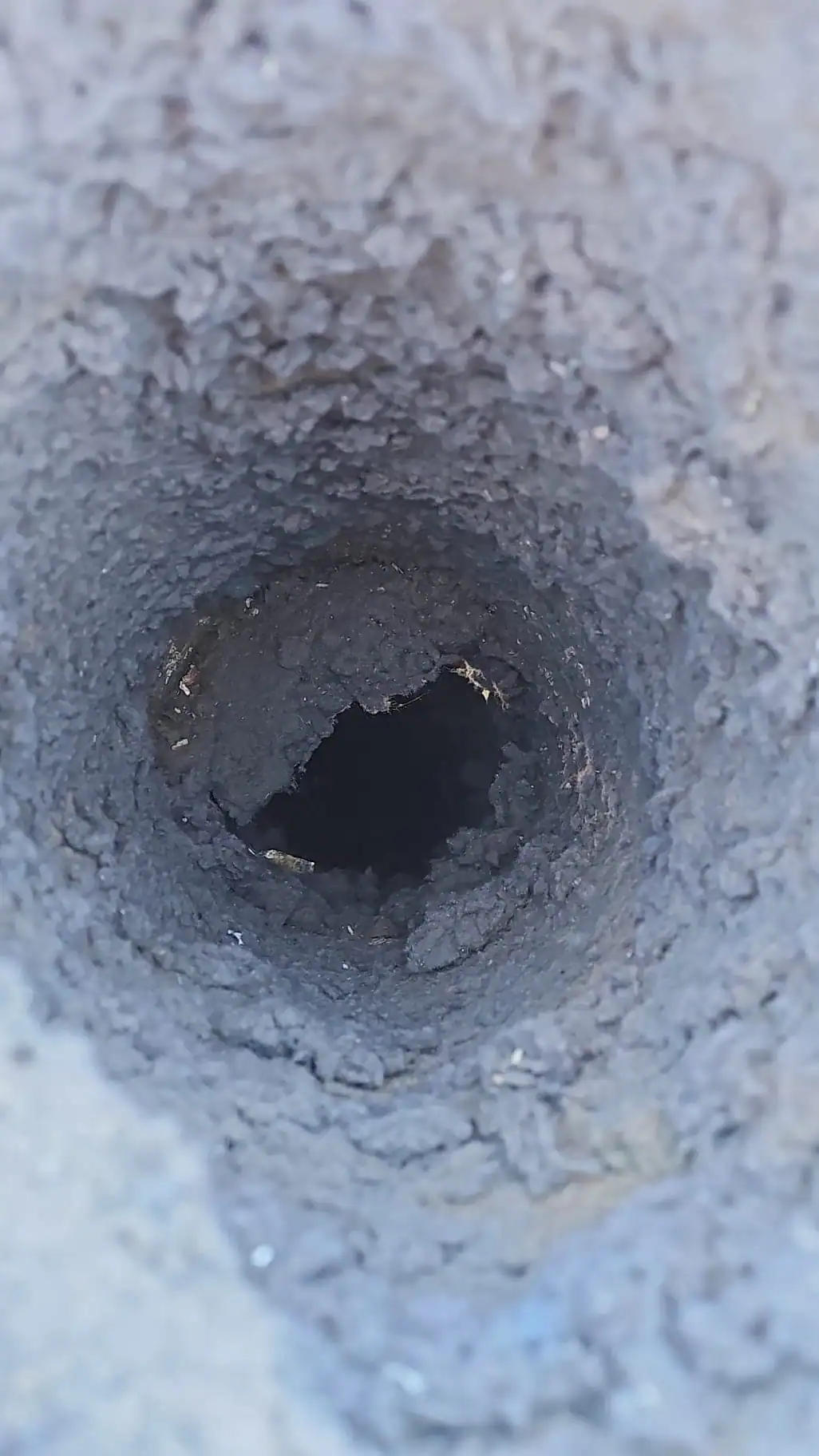
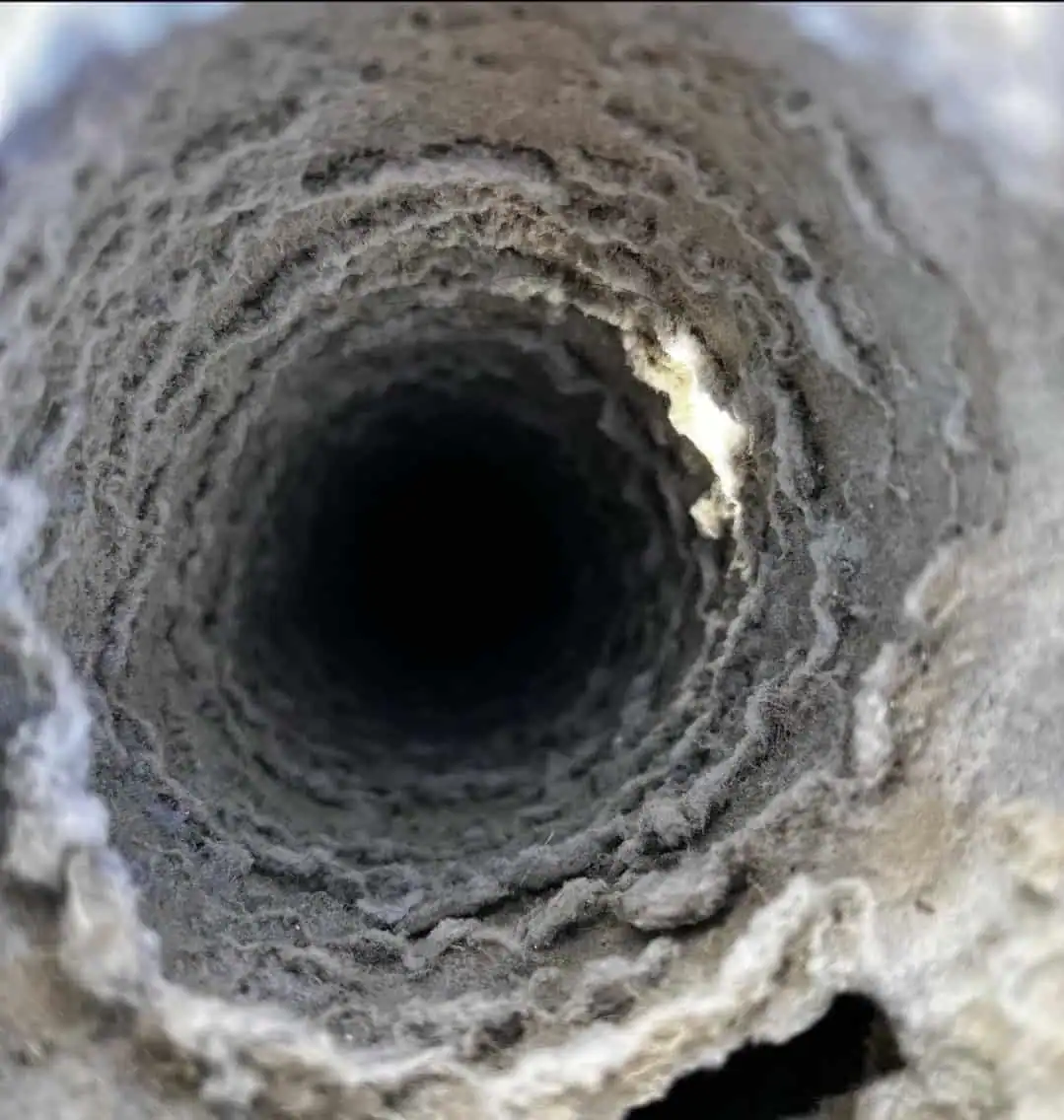
Your HVAC system pulls air through your home an average of five to seven times per day. Every time it cycles, that air carries microscopic particles—pollen that drifted in when you opened the door, dust mites from your carpet, pet dander from your dog, mold spores from last winter’s humidity. These particles don’t just pass through. They settle into your ductwork, building up layer after layer over months and years.
When your system runs, it doesn’t just move conditioned air. It stirs up everything that’s accumulated inside those ducts and pushes it right back into the rooms where you live, sleep, and breathe. That’s why you might notice your allergies flare up the moment your furnace kicks on in fall or your AC starts running in spring. The system itself has become the delivery mechanism for the allergens you’re trying to avoid.
In Reno specifically, you’re dealing with more than typical household dust. Spring brings heavy pollen from trees like oak, birch, and cedar. Summer means dust from seasonal winds. Fall can bring wildfire smoke that settles into everything, including your ductwork. Winter inversions trap pollutants in the valley. Your ducts collect all of it, and without professional cleaning, they keep recirculating it every single day.
What Actually Accumulates Inside Your Ductwork
Most people don’t think about their air ducts until something goes wrong. These hidden pathways sit behind walls and above ceilings, quietly doing their job. But over time, they become a collection point for contaminants you can’t see but definitely feel the effects of.
Dust mites are one of the biggest culprits. These microscopic pests thrive in dusty environments, and your ductwork provides the perfect breeding ground. Their waste particles are a leading cause of indoor allergies, and when they’re living in your ducts, every time your HVAC runs, you’re breathing in what they leave behind.
Pollen is another major issue, especially in Reno where spring and fall bring high counts. Even when you keep windows closed, pollen finds its way inside on clothing, shoes, and pets. It settles in your ducts and stays there, continuing to trigger symptoms long after the outdoor pollen season has passed. That’s why some people experience allergy symptoms year-round despite only having seasonal allergies.
Pet dander sticks to everything, and your ductwork is no exception. Even if you don’t own pets, previous occupants might have, or visitors bring dander in on their clothes. These particles are incredibly light and stay airborne easily, which means they travel through your entire HVAC system and get deposited throughout your ductwork.
Mold spores develop when moisture enters your system—from humidity, condensation on cooling coils, or even small leaks. Once mold establishes itself in ductwork, it releases spores continuously. These spores can trigger allergic reactions and respiratory issues, and they keep multiplying if left unchecked.
Construction dust and debris are often overlooked. If your home was recently built or renovated, drywall dust, sawdust, and other fine particles likely made their way into your ducts during the work. This debris doesn’t just disappear—it sits there until someone removes it.
The combination of all these contaminants creates a constantly circulating source of allergens in your home. You can clean every surface, vacuum daily, and replace your HVAC filter regularly, but if your ducts are loaded with years of buildup, you’re fighting a losing battle. The source keeps feeding particles back into your living space no matter what you do.
Why Reno's Climate Makes Duct Cleaning Even More Important
Reno isn’t just dealing with typical indoor air quality challenges. The high desert climate and unique environmental factors create specific problems that make dirty ductwork an even bigger issue for local homeowners.
Wildfire smoke has become a regular concern in Northern Nevada. When fires burn in California or other nearby areas, smoke drifts into the Reno valley and settles into homes. Even with windows closed, fine particulate matter finds its way inside and gets pulled into your HVAC system. These particles are small enough to penetrate deep into your lungs, and once they’re in your ductwork, they keep recirculating long after the smoke has cleared outside.
Winter inversions are another Reno-specific challenge. Cold air gets trapped in the valley under a layer of warmer air, preventing pollutants from dispersing. Car exhaust, wood smoke from fireplaces, and other contaminants accumulate in the air you’re breathing. Your HVAC system pulls this polluted air inside, and without clean ducts to filter it properly, these contaminants build up in your system and continue affecting your indoor air quality.
The desert environment means dust is a constant presence. Seasonal winds kick up fine particles that infiltrate homes despite your best efforts to keep them out. This dust is different from what you’d find in more humid climates—it’s finer, lighter, and stays airborne longer, which means it travels deeper into your ductwork and settles in harder-to-reach areas.
Reno’s dry climate also affects how allergens behave indoors. Low humidity means dust and other particles stay airborne longer instead of settling on surfaces where you can clean them. This increases the amount of contamination your HVAC system pulls in and distributes throughout your home. At the same time, when humidity does increase—during summer monsoon season or when you’re running humidifiers in winter—it can create conditions for mold growth in ductwork if moisture isn’t properly managed.
The combination of heating in winter and cooling in summer puts extra stress on your HVAC system compared to milder climates. Your system runs more hours per year, which means it’s moving more air through those ducts and stirring up more accumulated contaminants. The more your system runs, the more important it becomes to keep those ducts clean.
Lake Tahoe’s proximity introduces additional allergens from pine trees and mountain vegetation that aren’t common in purely desert environments. If you spend time in the mountains and bring those allergens back on clothing or gear, they end up in your home and eventually in your ductwork.
All of these factors mean that air duct cleaning isn’t just a nice-to-have service in Reno—it’s a practical response to real environmental challenges that affect your indoor air quality every single day. Professional cleaning removes the accumulated impact of these local conditions and gives your HVAC system a fresh start.
What Professional Air Duct Cleaning Actually Does
Professional air duct cleaning is more than just running a vacuum through your vents. It’s a comprehensive process that addresses contamination throughout your entire HVAC system, removing the buildup that’s been accumulating since the last time your ducts were serviced—or since your home was built if they’ve never been cleaned.
The process starts with a thorough inspection. A qualified technician examines your ductwork to identify problem areas, check for mold growth, assess the level of contamination, and look for any damage that might need repair. This inspection tells them what equipment and methods will work best for your specific system.
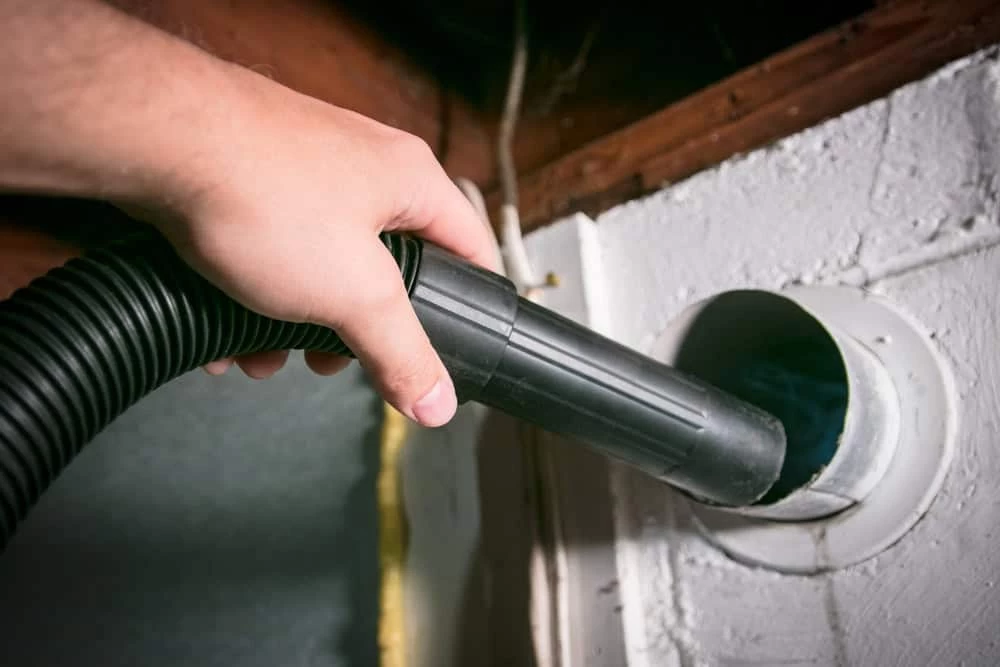
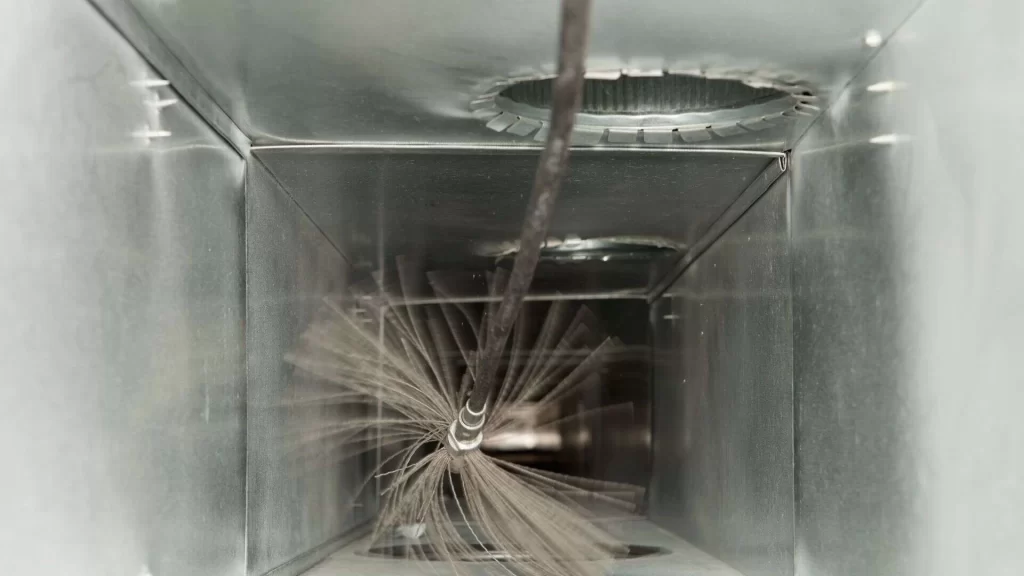
Once the assessment is complete, the actual cleaning begins. Technicians use specialized equipment that homeowner-grade tools can’t match—high-powered HEPA vacuums that create negative pressure throughout your duct system, rotating brushes that scrub duct walls without damaging them, and compressed air tools that dislodge stuck-on debris. The goal is source removal, which means physically extracting contaminants rather than just stirring them up or masking odors.
The Complete System Approach to Duct Cleaning
Here’s something most homeowners don’t realize: cleaning just the ducts themselves isn’t enough. The entire HVAC system needs attention, because contamination in one component will quickly spread back through the rest of the system.
Supply ducts carry conditioned air from your furnace or air handler to the rooms in your home. These are the ducts most people think about when they consider duct cleaning. They accumulate dust, pollen, and other particles that get distributed every time your system runs. Professional cleaning involves accessing these ducts through existing vents or creating access points if necessary, then using brushes and vacuum equipment to remove all accumulated debris.
Return ducts pull air back from your living spaces to be reconditioned. These ducts often accumulate even more contamination than supply ducts because they’re pulling in all the dust, pet hair, and particles from your home. They’re also where you’ll often find evidence of mold growth if moisture has been an issue, since they tend to have less airflow and can develop condensation.
The air handler or furnace itself harbors contaminants on the blower motor, fan blades, and internal surfaces. Dust buildup on these components reduces efficiency and gets blown back into your ductwork every time the system runs. Thorough cleaning includes these mechanical components, not just the duct passages.
Cooling coils are particularly prone to mold growth because condensation forms on them whenever your AC runs. If these coils aren’t cleaned, mold spores will continue entering your duct system no matter how clean the ducts themselves are. Professional service includes cleaning these coils with appropriate solutions that kill mold without damaging the equipment.
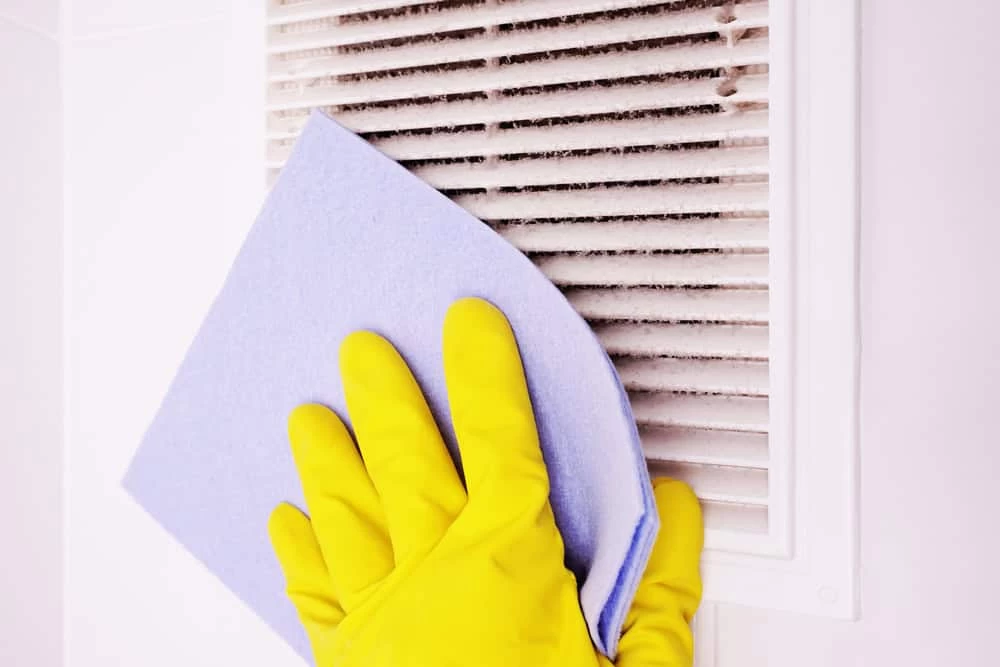
Vent registers and grilles are the visible parts of your duct system. They collect dust and debris that then gets pulled back into the system. Cleaning them is part of a complete service, ensuring that fresh contamination doesn’t immediately re-enter your newly cleaned ducts.
Drip pans under cooling coils collect condensation, and if they’re not draining properly or are contaminated with mold, they become a continuous source of spores entering your air stream. Professional cleaning addresses these often-overlooked components.
The reason this comprehensive approach matters is simple: if you clean your ducts but leave mold on your cooling coils, or clean your supply ducts but ignore contaminated return ducts, you haven’t solved the problem. Within weeks, contaminants will spread back through the system and you’re right back where you started. That’s why qualified professionals follow industry standards that require cleaning the entire system, not just the most accessible parts.
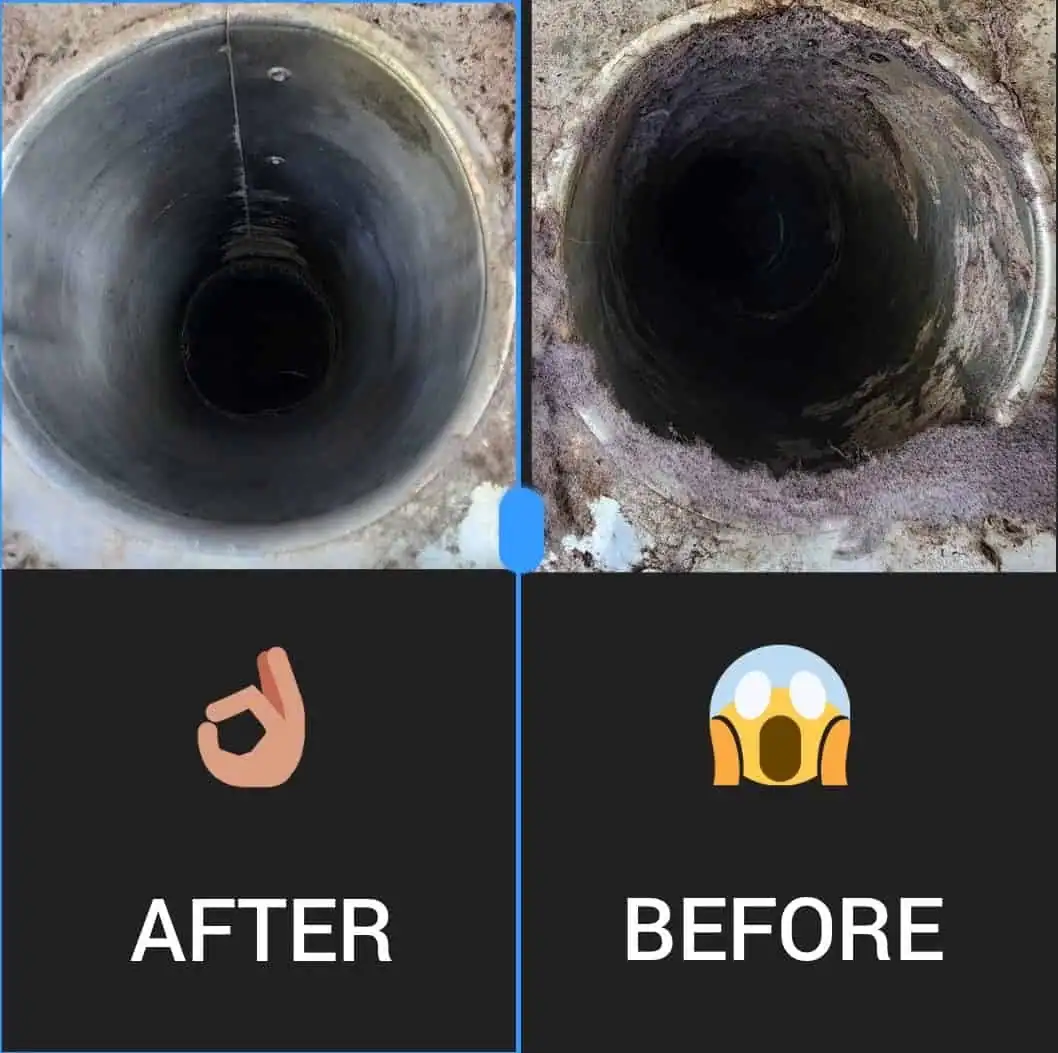
After the cleaning is complete, technicians verify their work. This might include a visual inspection using cameras to show you the before and after, airflow testing to confirm improved performance, and checking that all access points have been properly sealed. You should see and feel the difference immediately—better airflow, less dust settling on surfaces, and most importantly for allergy sufferers, reduced symptoms when your HVAC system runs.

How Often You Actually Need Duct Cleaning
One of the most common questions homeowners ask is how often they should have their ducts cleaned. The answer isn’t the same for everyone, and anyone giving you a one-size-fits-all recommendation isn’t considering your specific situation.
The National Air Duct Cleaners Association recommends professional cleaning every three to five years for most homes. This baseline assumes average conditions—no pets, no smokers, no one with severe allergies, and no recent renovations. If your home fits this description and you’re keeping up with regular HVAC filter changes, this timeline makes sense.
But most homes don’t fit that average profile. If you have pets, especially ones that shed, you’re dealing with significantly more dander accumulation in your ductwork. Pet owners should consider cleaning every two to three years, or even more frequently if you have multiple pets or anyone in the household has pet allergies.
Allergy and asthma sufferers benefit from more frequent cleaning because their respiratory systems are more sensitive to the contaminants circulating through ductwork. If someone in your home is constantly dealing with symptoms, cleaning every two to three years can provide noticeable relief. Some families with severe allergies opt for annual cleaning and report that it makes a significant difference in their daily comfort.
Recent home renovations are a clear trigger for immediate duct cleaning. Construction generates enormous amounts of fine dust—drywall particles, sawdust, and debris—that infiltrates your duct system even if you seal off work areas. This construction dust is particularly irritating to lungs and will continue circulating through your home until it’s professionally removed. Don’t wait three years after a renovation; schedule cleaning as soon as the work is complete.
Smoking indoors accelerates contamination dramatically. Tobacco smoke particles stick to duct surfaces and create odors that persist long after someone quits smoking or moves out. If anyone smokes inside your home, plan on cleaning every two to three years at minimum.
Living in Reno adds another layer to this decision. The wildfire smoke exposure, seasonal dust storms, and winter inversions that trap pollutants mean your ductwork is dealing with more contamination than homes in many other locations. If you’ve experienced heavy smoke exposure during fire season, it’s worth having your ducts inspected even if it hasn’t been three years since your last cleaning.
Signs that you need cleaning sooner rather than later include visible dust blowing from vents when your system starts, musty or stale odors when the HVAC runs, noticeable dust accumulation on furniture within a day or two of cleaning, reduced airflow from vents, and worsening allergy symptoms that seem to improve when you’re away from home.
If your home is more than ten years old and you don’t have records of previous duct cleaning, it’s almost certainly time. A decade of accumulated dust, pollen, pet dander, and other contaminants is affecting your indoor air quality whether you realize it or not.
The cost of professional duct cleaning typically ranges from $450 to $1,000 for an average home, depending on the size of your system, level of contamination, and accessibility of your ductwork. While that’s not pocket change, consider it against the ongoing cost of allergy medications, reduced HVAC efficiency from restricted airflow, and the health impact of breathing contaminated air day after day. Most homeowners find that the investment pays for itself in improved comfort and lower energy bills.
Taking Control of Your Indoor Air Quality in Reno
Seasonal allergies don’t have to make your own home uncomfortable. When you understand that your ductwork is likely harboring the exact allergens triggering your symptoms—pollen, dust mites, pet dander, mold spores—the solution becomes clear. Professional air duct cleaning removes these accumulated contaminants at the source, giving your HVAC system a fresh start and your family cleaner air to breathe.
Reno’s unique environmental challenges, from wildfire smoke to winter inversions to high desert dust, make this service more than just routine maintenance. It’s a practical response to real conditions affecting your indoor air quality every day. Combined with regular filter changes and proper HVAC maintenance, clean ductwork creates an environment where you can finally breathe easier in your own home.
If you’re ready to stop managing allergy symptoms and start addressing what’s causing them, we bring over a decade of experience to Reno homes. With transparent pricing, hospital-grade cleaning solutions, and a thorough understanding of Northern Nevada’s specific air quality challenges, we provide the comprehensive service your HVAC system needs to truly make a difference in your indoor air quality.