Summary:
Your dryer takes twice as long to finish a load. The laundry room feels like a sauna. You catch a faint burning smell mid-cycle. These aren’t just annoyances—they’re warning signs that lint has built up inside your dryer vent, and in Reno’s dry climate, that buildup is even more dangerous than you think. Nevada’s low humidity and desert dust create perfect conditions for dryer vent fires, turning routine maintenance into a serious safety issue. Here’s what’s actually happening inside your vent system, why Reno’s environment makes it worse, and what you need to know to keep your home safe.
Why Lint Buildup Becomes a Fire Hazard in Dry Climates
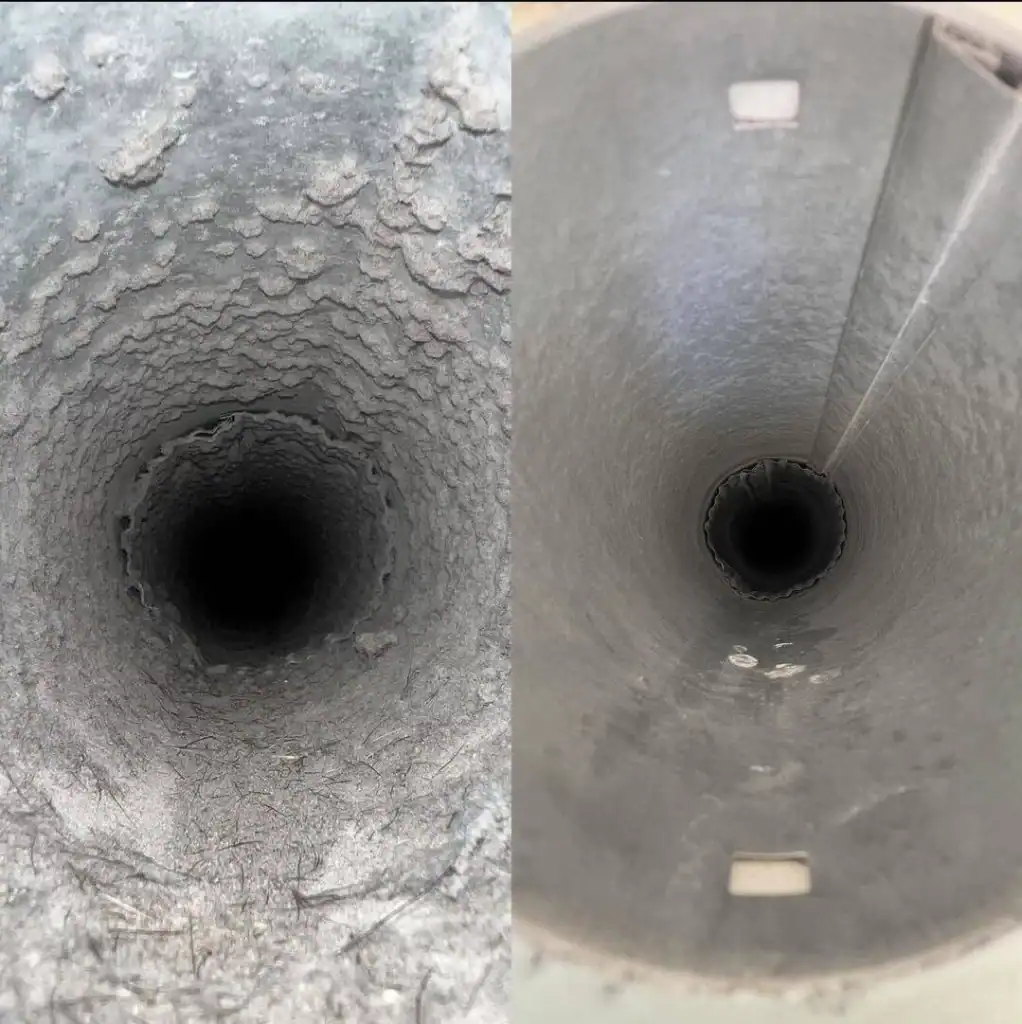
Lint isn’t just annoying fuzz you pull from the trap after every load. It’s one of the most flammable materials in your home, and in Reno’s dry climate, it becomes even more combustible. Every time you dry clothes, tiny fibers break off and travel through your dryer. Your lint trap catches about 90 to 95 percent of it, but the rest escapes into the vent system, where it sticks to interior walls and starts accumulating.
That five to ten percent doesn’t sound like much until you realize it adds up fast. Over months, that buildup restricts airflow, forcing your dryer to work harder and run hotter just to dry a normal load. Heat builds up inside the machine and the vent because there’s nowhere for it to escape. Eventually, temperatures climb high enough that the lint ignites.
In Reno, the problem accelerates. The desert climate means more dust in the air, and that dust infiltrates your home and mixes with lint to create an even thicker, more dangerous blockage. Older homes with longer, more complex vent runs trap lint more easily, and if your vent hasn’t been professionally cleaned in a year or more, you’re facing real risk.
How Static Electricity from Low Humidity Ignites Lint
Reno’s extremely dry air creates more than just chapped lips and static shocks when you touch a doorknob. It generates dangerous static electricity that poses a serious fire hazard in your laundry room. When synthetic fabrics tumble inside your dryer, they generate static charges that build up in the low-humidity environment. In more humid climates, moisture in the air helps dissipate these charges. But in Nevada, where summer humidity can drop to 24 percent and the annual average hovers around 42 percent, there’s nothing to stop that static from accumulating.
This static electricity can create sparks. Even a small spark is enough to ignite the highly combustible lint that’s been building up in your dryer vent. Dryer lint is so flammable that people use it as homemade fire starter material for camping. Even a small spark or source of heat can cause lint caught in a filter or dryer vent to catch fire almost instantaneously.
The ignition point for dryer lint sits around 400 degrees Fahrenheit. That might sound high, but many dryers operate at temperatures that can reach 125 to 135 degrees, and when airflow is restricted by lint buildup, internal temperatures can climb much higher. The combination of Reno’s low humidity creating static sparks and the dryer’s heat meeting flammable lint creates perfect conditions for ignition.
Reno’s location in the high desert of the Great Basin means homes are constantly exposed to fine dust particles that infiltrate dryer systems. The combination of desert dust and normal lint creates a particularly dangerous mixture that can ignite more easily than lint alone. This unique combination of environmental factors makes Nevada’s dry, dusty climate accelerate lint and debris buildup compared to more humid areas where moisture helps weigh down particles and reduce static.
What the Fire Statistics Actually Tell Us About Dryer Vent Risk
The numbers aren’t abstract—they’re happening in homes just like yours. Dryers cause approximately 13,820 fires every single year in the United States. That’s roughly one fire every 37 minutes. These fires result in an estimated five deaths, 100 injuries, and $35 million in property damage annually. Some estimates from the National Fire Protection Association put these numbers even higher, reporting around 15,970 fires with dryers causing 92 percent of them.
The leading cause isn’t a mechanical failure or an electrical short. It’s simply a failure to clean the vents. According to the National Fire Incident Reporting System, failure to clean accounts for 31 to 34 percent of all dryer fires. That’s more than one-third of these fires that could have been prevented with regular vent cleaning . The U.S. Fire Administration reports that 28 percent of house fires from dryer vents resulted specifically from lint, dust, and fiber buildup and blockages.
These statistics matter because they prove that dryer fires are preventable. Most of these fires happen because vents don’t get cleaned. Lint builds up, airflow gets restricted, heat accumulates, and eventually something ignites. It doesn’t have to be complicated or mysterious. Regular dryer vent maintenance eliminates the risk.
In Reno specifically, the risk is compounded by local conditions. A recent fire in nearby Carson City was caused by burning lint from an uncleaned lint trap, serving as a stark reminder that this risk is real and immediate in Northern Nevada. The dry climate means lint and dust accumulate faster here than in more humid regions. Homes built before 1990 often have longer, more complicated vent systems that trap lint more readily and need attention more frequently.
The National Fire Protection Association and the U.S. Fire Administration both recommend annual professional dryer vent cleaning as a baseline. But in Reno, NV, that timeline often needs to be shorter. If you do more than eight loads per week, have a long vent run over 15 feet, or notice your dryer taking longer to dry clothes, you may need cleaning twice per year. The small investment in preventive maintenance far outweighs the devastating costs of a house fire.
Warning Signs Your Dryer Vent Needs Immediate Attention
Your dryer doesn’t just take longer to finish a load because it’s getting old. That extra cycle you’re running is a warning sign. When clothes come out damp after 60 minutes, when the laundry room feels like a sauna, or when you catch a faint burning smell—those aren’t quirks. They’re red flags that lint has built up inside your dryer vent, restricting airflow and creating a serious fire hazard.
If you’re experiencing any of these warning signs, don’t wait. The longer you ignore them, the higher your fire risk becomes. In Reno’s dry, dusty climate, that buildup happens faster than you might think. Most homeowners should have their dryer vents professionally cleaned at least once a year, but local conditions often require more frequent service.
What Happens Inside Your Vent When Airflow Gets Restricted
When lint builds up inside your dryer vent, it creates a physical blockage that restricts how much air can flow through the system. Your dryer is designed to push hot, moist air out through the vent and expel it outside your home. That’s how moisture gets removed from your clothes. But when the vent is clogged, that air has nowhere to go.
The restricted airflow means your dryer has to work harder to push air through the blockage. The heat has nowhere to escape, so it builds up inside the machine and the vent. Your dryer starts running hotter than it should, putting stress on the heating element, motor, and other internal components. This is why you’ll notice clothes feeling unusually hot to the touch when you pull them out, or the exterior of the dryer cabinet becoming hot during operation.
The excess heat doesn’t just damage your dryer—it creates the conditions for a fire. As temperatures climb inside the vent, they eventually reach the point where they can ignite the lint that’s been accumulating on the vent walls. Dryer lint is composed of tiny textile fibers, mostly cotton or synthetic materials like polyester, which are highly combustible. These fibers are loosely aggregated, creating a high surface area that makes them burn easily and rapidly.
The heat and airflow within the dryer remove nearly all moisture from these fibers, leaving the lint completely dry. Dry materials ignite at much lower temperatures than moist ones, which is why dryer lint has such a low ignition point. When this dry, high-surface-area material encounters an ignition source—whether it’s excessive heat from the dryer, a spark from static electricity, or a malfunctioning heating element—it catches fire almost instantaneously.
In Reno’s climate, this process happens faster. The dry air means lint stays drier and more combustible. Desert dust adds to the blockage, creating more restriction. Static electricity from low humidity provides potential ignition sources. And because the climate accelerates buildup, the time between “vent is fine” and “vent is dangerously clogged” is shorter than it would be in a more humid region.

Which Dryer Vent Systems Face the Highest Fire Risk
Not all dryer vent systems are created equal, and some configurations put you at higher risk for dangerous lint buildup. If your dryer is located away from an exterior wall—in a bedroom, bathroom, kitchen, or hall closet—your vent system is likely longer and more complex than older basement installations. These longer vent runs, especially those over 15 feet, give lint more places to settle and accumulate.
Vent systems with multiple bends and turns are particularly problematic. Each elbow or turn in the ductwork creates a spot where lint can get trapped. The more turns your system has, the more likely it is to develop blockages. Roof-vented systems face additional challenges because they often have longer runs, more bends than wall vents, and can accumulate debris from the roof itself.
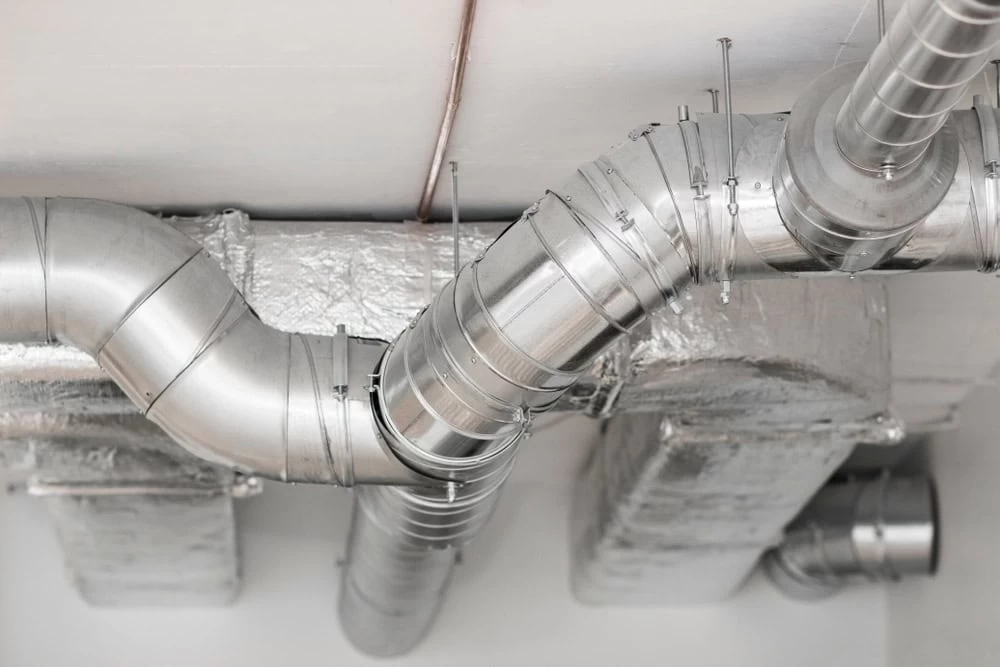
The type of venting material matters too. Flexible foil or plastic hoses trap lint more easily than smooth, rigid metal ducting. These accordion-style ducts can sag over time, allowing lint to build up at low points, and their ridged interior surfaces catch and hold lint in ways that smooth metal doesn’t. If you see a plastic or foil accordion-style duct connecting your dryer to the vent, it’s a fire hazard that should be replaced with rigid metal duct.
Homes built before 1990 often have dryer vents that run longer distances and include more bends to accommodate the structure of the home. In Reno, NV, where many homes fall into this category, these older vent systems are harder to reach and create more places for lint to gather. Most dryer vents in Reno homes run 15 to 25 feet from the dryer to the exterior, with turns and bends that trap lint in areas you can’t reach with basic cleaning tools.
Your household’s laundry habits also affect risk level. Families doing more than eight loads per week produce significantly more lint than average. Pet owners deal with additional hair and dander that contributes to clogs. If you frequently dry heavy fabrics like towels, blankets, and comforters, lint builds up faster. And if you buy new clothes regularly, those new items shed more lint during their first several wash cycles.
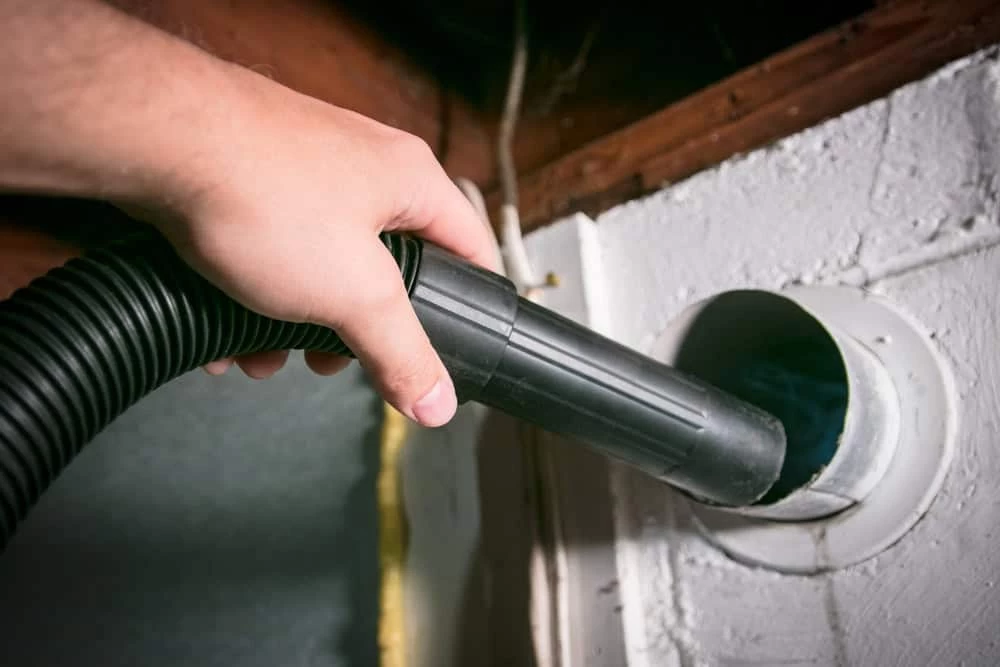
If you can’t remember the last time your dryer vent was professionally cleaned, it’s been too long. Many homeowners discover during their first inspection that their vents have never been professionally cleaned and have years of accumulated lint. While you can and should clean the lint trap after every load, that only addresses the lint that gets caught. Professional cleaning is necessary to remove the buildup deep inside the vent system that homeowners can’t access.
Taking Action to Prevent Dryer Vent Fires in Reno
Dryer fires are preventable, and in Reno’s dry climate, prevention starts with understanding the unique risks you face. Low humidity creates static electricity that can spark and ignite lint. Desert dust mixes with debris to create more dangerous combustible material. And the dry air accelerates the buildup that restricts airflow and causes overheating.
If your dryer is taking longer to dry clothes, if you’re noticing excessive heat or burning smells, or if you simply can’t remember the last time your vent was cleaned, now is the time to take action. Regular professional cleaning eliminates the lint and debris that cause fires, restores proper airflow, and protects your home and family from a preventable disaster.
At Home Safe Air Duct & Dryer Vent Cleaning, we understand the challenges that Reno’s climate presents. With over a decade of experience and a commitment to transparent pricing and thorough service, we provide the professional cleaning your vent system needs to operate safely and efficiently in Nevada’s demanding environment.