Summary:
Your clothes are taking two cycles to dry. Your laundry room feels like a sauna. And you’re wondering if that faint burning smell is normal or something you should worry about.
It’s not normal. And in Reno, where desert dust mixes with lint faster than almost anywhere else, that combination creates a fire hazard hiding in your walls. Professional dryer vent cleaning isn’t about upselling you on services you don’t need. It’s about removing the highly flammable material accumulating in a place you can’t see—before it becomes a problem you can’t ignore.
Let’s talk about what’s actually happening in your vent system and why Reno’s climate makes this more urgent than you might think.
Why Dryer Vent Cleaning Matters in Reno, NV
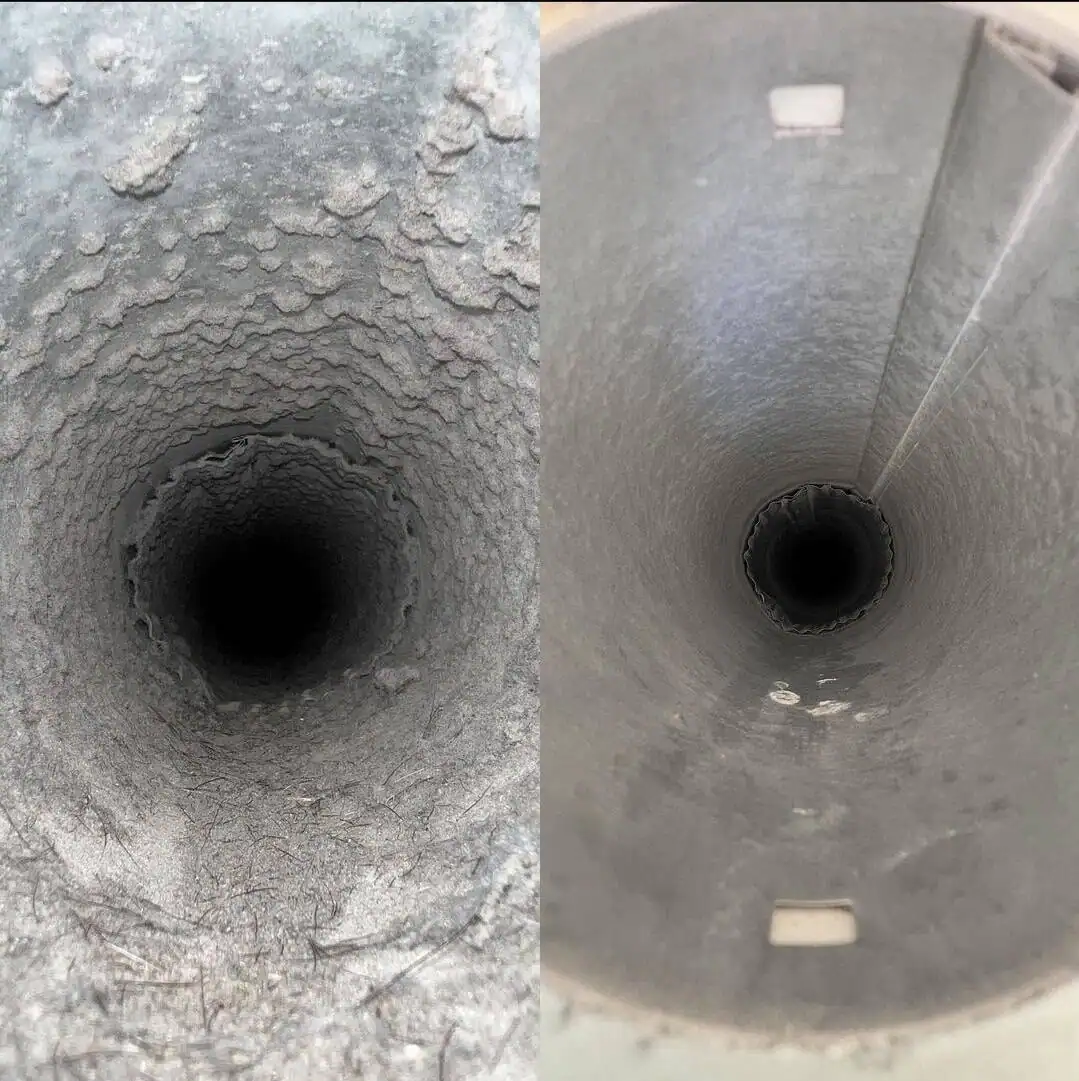
Every time you run your dryer, hot air pushes moisture and lint through a duct that leads outside your home. Your lint trap catches most of it—somewhere around 90 to 95 percent. But that remaining five to ten percent doesn’t just disappear. It travels into your vent system, sticks to the walls, and starts building up.
In Reno’s dry climate, you’re dealing with more than just lint. Desert dust gets into everything here, and when it mixes with that sticky lint residue, it creates a dense blockage that restricts airflow faster than it would in humid regions. Homes built before 1990 often have longer, more complex vent systems that trap this mixture even more readily.
That restriction forces your dryer to work harder. Drying times stretch from 40 minutes to 90 minutes or more. Your energy bills climb. And eventually, heat builds up to the point where that highly flammable lint can ignite. The statistics aren’t abstract—a dryer fire happens every 37 minutes in the United States, and failure to clean vents accounts for one-third of those fires.
How Reno's Climate Accelerates Lint Buildup

Reno sits in a high desert environment where dust is a constant presence. During windy days, fine particles blow in from open terrain and construction zones. During fire season, smoke residue from Northern California wildfires seeps into homes and settles into HVAC systems and dryer vents. In winter, temperature inversions trap pollutants close to the ground, and the contrast between warm dryer exhaust and cold outdoor air creates condensation inside vent lines.
All of this matters because your dryer vent isn’t just moving lint. It’s moving a mixture of lint, dust, pollen, and whatever else is floating in Reno’s air. That combination sticks together more aggressively than lint alone, creating blockages that develop faster and pack tighter than they would in more humid climates.
Older neighborhoods in Reno present additional challenges. Many homes have vent systems that snake through walls, make multiple turns, or run longer distances to reach an exterior wall. Each bend creates a spot where lint can accumulate. Each additional foot of ductwork gives debris more surface area to cling to. And if your vent hasn’t been professionally cleaned in a year or more, you’re likely sitting on a significant buildup that’s restricting airflow and creating a fire hazard.
The dry air also means lint doesn’t compact the same way it might in humid environments. It stays loose and fluffy—which sounds harmless until you realize that loose, fluffy material is exactly what ignites easily when exposed to heat. Professional cleaning removes this material from the entire length of your vent system, not just the section you can reach from behind your dryer.
What Happens When You Ignore a Clogged Vent
When airflow gets restricted, your dryer can’t expel hot, moist air the way it’s designed to. That heat has nowhere to go, so it builds up inside the machine and the vent. Your dryer runs hotter than it should. Clothes come out scorching to the touch. The outside of the machine feels like you could fry an egg on it.
This isn’t just uncomfortable—it’s dangerous. Temperatures inside a clogged vent can climb high enough to ignite the lint packed inside. And once that starts, fire spreads quickly through the ductwork and into your walls. According to the National Fire Protection Association, dryers cause an estimated 14,630 home fires every year, resulting in deaths, injuries, and hundreds of millions in property damage.
Beyond the fire risk, you’re dealing with real financial consequences. A dryer struggling against restricted airflow uses significantly more energy. Studies show that proper maintenance, including vent cleaning, can improve energy efficiency by up to 30 percent. For the average household, that translates to substantial savings on monthly utility bills.
Your dryer’s lifespan takes a hit too. When the machine has to work harder to push air through a clogged vent, components like the heating element, motor, and belt experience additional strain. That accelerated wear leads to breakdowns and costly repairs. In some cases, it means replacing a dryer years earlier than you should have to.
Then there’s the time you’re wasting. If you’re running two or three cycles to dry a load that should take 45 minutes, you’re not just burning electricity—you’re burning hours of your week standing around waiting for laundry to finish. That adds up over months and years.
Signs Your Dryer Vent Needs Cleaning
Your dryer tells you when something’s wrong. You just need to know what to look for.
The most obvious sign is longer drying times. If clothes that used to dry in one cycle now need two or three, your vent is probably clogged. Restricted airflow means moisture can’t escape efficiently, so your dryer keeps running without actually finishing the job.
Other warning signs include a burning smell when the dryer runs, clothes or the machine feeling excessively hot, lint accumulating around the dryer area or exterior vent, and your laundry room feeling unusually warm or humid. If your dryer shuts off mid-cycle, that’s often a safety feature activating because the machine is overheating.
Warning Signs You Should Never Ignore
A burning smell is the red flag that demands immediate action. If you smell something burning when your dryer runs, stop using it right away. That smell typically means lint is getting hot enough to scorch—and it’s one step away from igniting. Unplug the dryer and schedule professional cleaning before running another load.
Excessive heat is another serious warning. Your clothes should come out warm, not scorching hot. If you open the dryer and can barely touch your laundry, or if the outside of the machine is hot enough to burn your hand, airflow is severely restricted. Heat that can’t escape through the vent builds up inside the system, creating exactly the conditions that lead to fires.
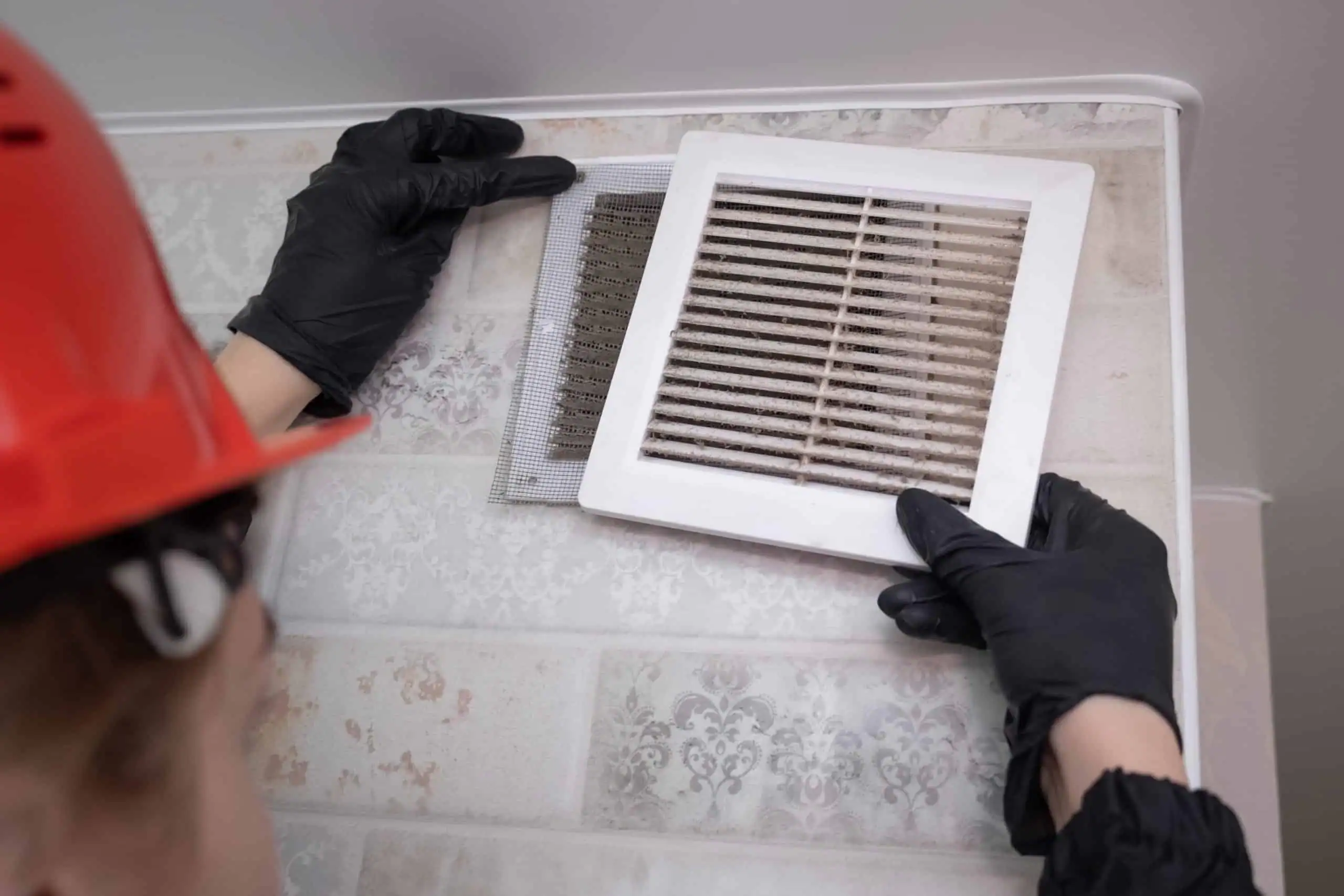
Visible lint around your dryer or exterior vent opening means the system is so clogged that debris is backing up into places it shouldn’t be. Check behind your dryer and around the exterior vent flap. If you see lint accumulation in these areas, the vent line itself is likely packed solid.
Modern dryers include safety mechanisms that shut the machine down when it overheats. If your dryer keeps stopping before the cycle finishes, it’s protecting itself from damage—but it’s also telling you there’s a problem that won’t fix itself. That problem is almost always restricted airflow from a clogged vent.
Higher energy bills without explanation often point to appliances working harder than they should. When your dryer has to run longer cycles or multiple cycles to dry clothes, it’s consuming more electricity or gas. If you’ve noticed your utility bills creeping up and your dryer performance declining, vent cleaning is likely overdue.

How Often Should Reno Homeowners Clean Dryer Vents
Most experts recommend professional dryer vent cleaning at least once a year. But in Reno, that timeline often needs adjustment based on your specific situation.
If you have a large family doing multiple loads of laundry daily, you should probably clean your vent every six months. Pet owners fall into the same category—pet hair adds to the lint and debris moving through your system, accelerating buildup. If you dry heavy fabrics like towels and blankets frequently, those materials shed more lint than lighter clothing, which means faster accumulation in your vent.
Reno’s climate creates additional reasons to clean more frequently. The dust and dry air mean your vent accumulates debris faster than it would in humid regions. Homes built before 1990 often need attention more often because longer, more complex vent systems trap lint more readily.
If you notice any warning signs—longer drying times, burning smells, excessive heat—don’t wait for your scheduled cleaning. Those symptoms mean your vent needs attention now, not in a few months. The small investment in professional cleaning prevents much larger costs down the road: dryer replacement, fire damage, or worse.
Between professional cleanings, you can help maintain your system by cleaning the lint trap after every load, checking that air flows freely from the exterior vent when the dryer runs, and keeping the area around your dryer clear of dust and debris. But these steps don’t replace professional cleaning. They just help extend the time between services and keep your system running as efficiently as possible.
Professional Dryer Vent Cleaning Protects Your Home
Dryer vent cleaning in Reno isn’t optional maintenance you can skip. It’s fire prevention. It’s protecting your family. And it’s preserving an appliance that costs hundreds or thousands of dollars to replace.
The statistics are clear: most dryer fires happen because vents don’t get cleaned. Lint builds up, airflow gets restricted, heat accumulates, and eventually something ignites. In Reno’s dry, dusty climate, that buildup happens faster than in most other regions.
Professional cleaning removes the hazard you can’t see and restores your dryer to safe, efficient operation. You’ll notice the difference immediately—shorter drying times, lower energy bills, and peace of mind knowing you’ve eliminated a serious fire risk. If you can’t remember the last time your vent was cleaned, or if you’re seeing any warning signs, now is the time to take action. We bring over a decade of experience to Reno homes, with owner Jorge Mendoza personally ensuring quality service and transparent pricing.