Summary:
You’ve probably noticed it. Dust settles on your furniture hours after you clean. Your energy bill keeps climbing. Maybe someone in your house can’t stop sneezing indoors, or certain rooms never quite reach the temperature you set.
Reno’s climate doesn’t do your HVAC system any favors. Between the desert dust, wildfire smoke that drifts through every summer, and the dry air that kicks up everything, your ducts take a beating. And when they’re clogged, you’re not just dealing with a dirty house—you’re dealing with higher bills, a system that’s working too hard, and air that’s potentially making your family sick.
This guide walks through what air duct cleaning actually involves in Reno, what it costs, when it’s worth doing, and how to find someone who’ll do the job right without trying to scam you.
What Is Air Duct Cleaning and Why It Matters in Reno
Air duct cleaning means removing the dust, debris, allergens, and contaminants that build up inside your HVAC system over time. That includes the supply and return ducts, registers, grilles, heat exchangers, cooling coils, drain pans, fan motor, and the air handling unit itself.
Think of your ductwork as the lungs of your home. Every time your heating or cooling kicks on, air circulates through those ducts and back into the rooms where you live. If those ducts are packed with dust, pet dander, pollen, or mold, that’s what you’re breathing.
In Reno, this matters more than in a lot of other places. The dry climate means dust doesn’t settle—it floats. Wildfire season leaves smoke residue that gets pulled into your system. And because homes here are often sealed tight for energy efficiency, whatever’s in your ducts just keeps recirculating. According to the EPA, indoor air can be two to five times more polluted than outdoor air, and your ductwork plays a big role in that.
How Air Ducts Get Dirty in the First Place
Dust is the obvious culprit, but it’s not the only thing building up in there. Pet hair and dander get sucked into return vents every time your system runs. If you’ve done any remodeling—drywall dust, sawdust, insulation fibers—all of that ends up in your ductwork unless the system was completely sealed off during construction.
Pollen is another issue, especially during spring. Reno’s windy months kick up allergens that find their way indoors and into your HVAC system. Once they’re in the ducts, they don’t leave on their own.
Mold is less common but more serious. If there’s moisture anywhere in your system—condensation on cooling coils, a clogged drain pan, or a leak—mold can start growing. It thrives in dark, damp spaces, and once it’s established, it spreads spores every time the air moves through.
Then there’s the stuff you don’t think about. Rodents and insects sometimes get into ductwork, leaving droppings and nesting materials. Smoke from wildfires settles into the system and lingers. Even just normal use over several years leads to a layer of grime coating the inside of your ducts.
The National Air Duct Cleaners Association points out that your HVAC system pulls in and recirculates air five to seven times per day on average. Every pass adds a little more contamination. Over time, it adds up.
The problem isn’t just that it’s gross. All that buildup restricts airflow, which makes your system work harder. It also means every time your furnace or AC runs, it’s blowing dust and allergens back into your living space. Your filter catches some of it, but not everything. The rest ends up on your furniture, in your lungs, and coating the inside of your ducts even more.
Signs Your Air Ducts Actually Need Cleaning
Not every home needs duct cleaning on a strict schedule. Some systems stay relatively clean for years. Others get clogged fast. It depends on your household, your habits, and your environment.
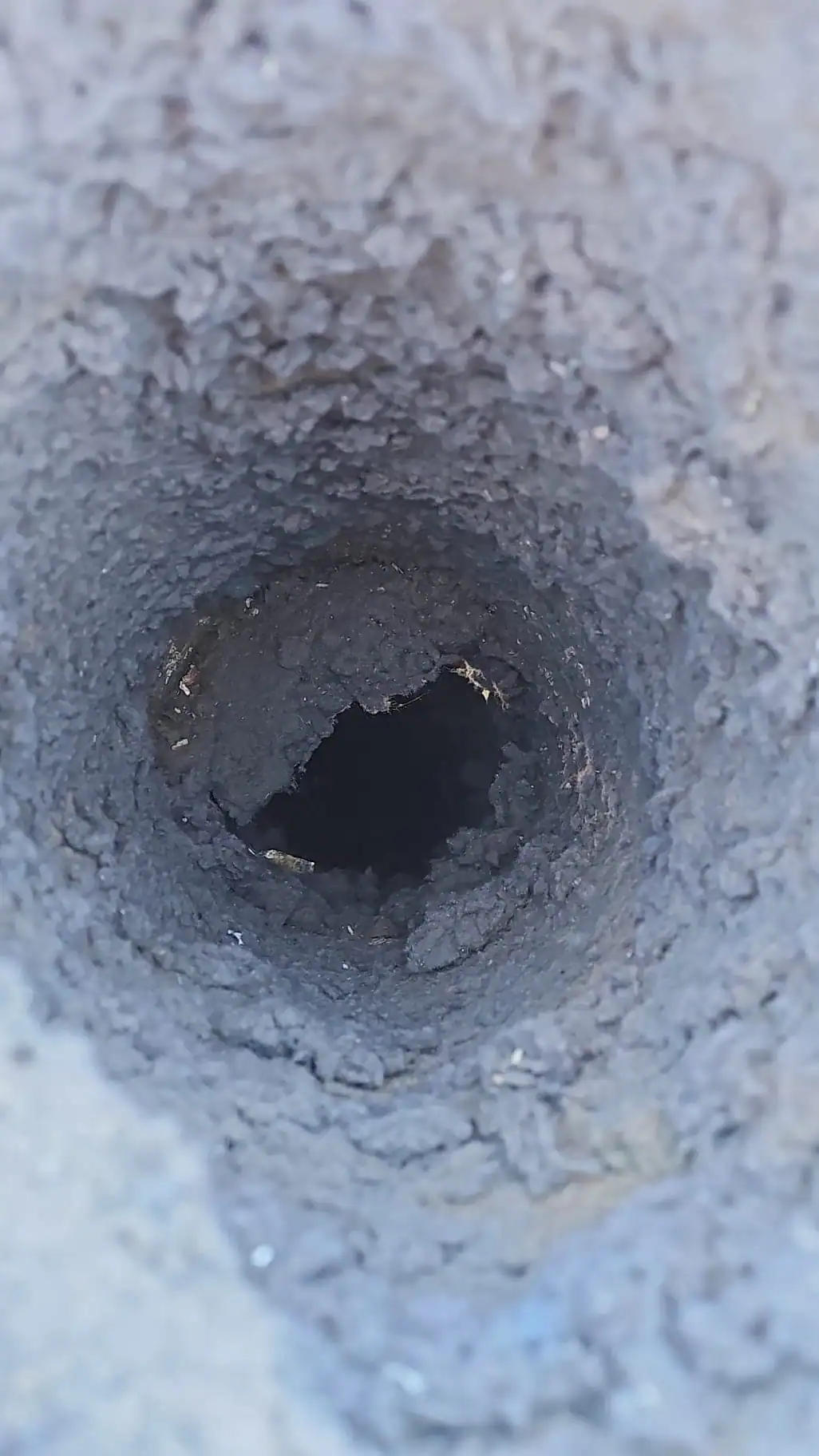
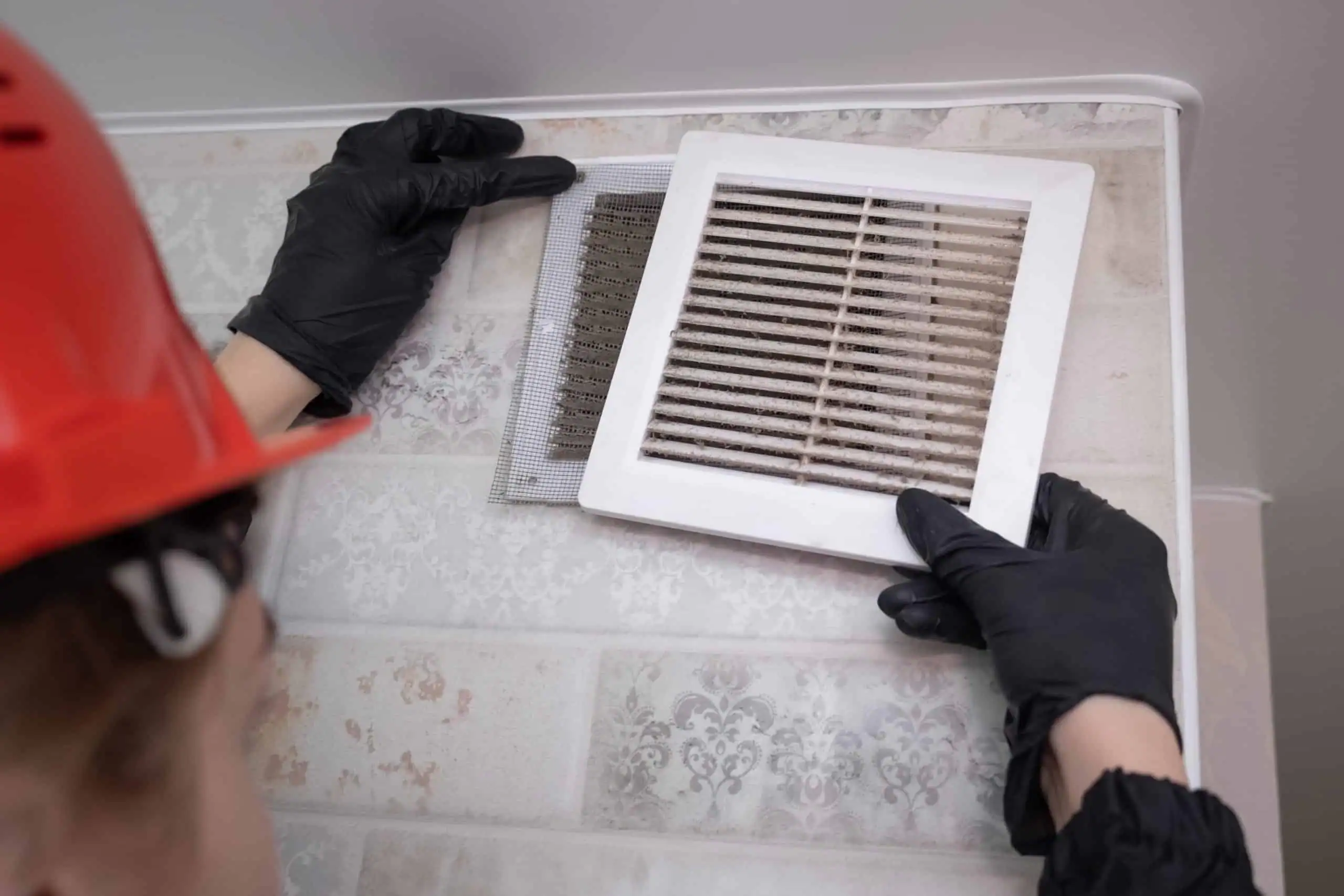
Here’s what to watch for. If you’re dusting constantly and it never seems to make a difference, that’s a red flag. Dust that keeps reappearing right after you clean often means it’s being blown out of your vents. Pull off a vent cover and look inside. If you see a visible layer of dust or debris, that’s a good indicator the rest of the system looks similar.
Musty or stale odors when the system kicks on are another sign. If it smells like something’s off and you can’t track it down, the ducts might be harboring mold, mildew, or even a rodent issue. Sometimes it’s just accumulated dust, but either way, it’s worth investigating.
Higher energy bills without an obvious explanation often point to restricted airflow. When ducts are clogged, your HVAC system has to run longer to reach the temperature you set. That extra runtime shows up on your utility bill. According to the U.S. Department of Energy, 25 to 40 percent of the energy used for heating or cooling can be wasted when systems aren’t maintained properly.
Uneven temperatures are another clue. If one room is always too hot or too cold no matter what you do with the thermostat, blocked ducts could be limiting airflow to that area. It’s not always the ducts—it could be insulation, leaks, or system design—but it’s common enough to check.
Allergy or respiratory symptoms that get worse indoors suggest poor air quality. If you’re sneezing, coughing, or dealing with headaches at home but feel fine when you leave, airborne contaminants circulating through your ducts might be the cause.
Visible mold growth around vents or on vent covers is a serious issue. Mold doesn’t stay in one place. If you can see it on the outside, there’s likely more inside the ductwork. That needs professional attention, not just a surface cleaning.
If you’ve recently completed renovations or moved into a home where the ducts haven’t been cleaned in years—or ever—that’s reason enough to have them inspected. Construction debris and years of accumulated dust don’t just disappear on their own.
How Professional Air Duct Cleaning Actually Works
Professional duct cleaning isn’t a quick vacuum job. It’s a methodical process that involves specialized equipment and follows standards set by the National Air Duct Cleaners Association.
The process starts with an inspection. A technician examines your entire HVAC system—supply and return ducts, vents, the air handler, coils, and any accessible components. We’re looking for dust buildup, mold, leaks, and structural issues. Many companies use cameras to see deep into the ductwork so we know exactly what we’re dealing with.
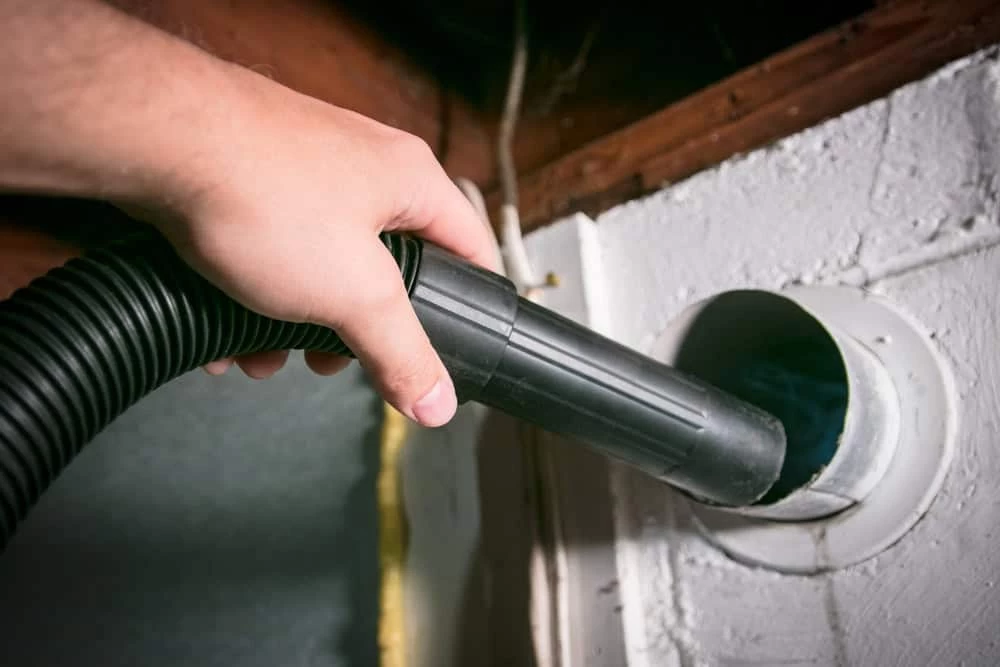
Once we’ve assessed the situation, we create negative pressure in the system using a powerful vacuum. This is critical. The vacuum is typically connected at the main trunk line or air handler, and it runs continuously throughout the cleaning. It prevents dislodged dust and debris from being released into your home and ensures everything gets pulled into a collection unit.
The Cleaning Process Step by Step
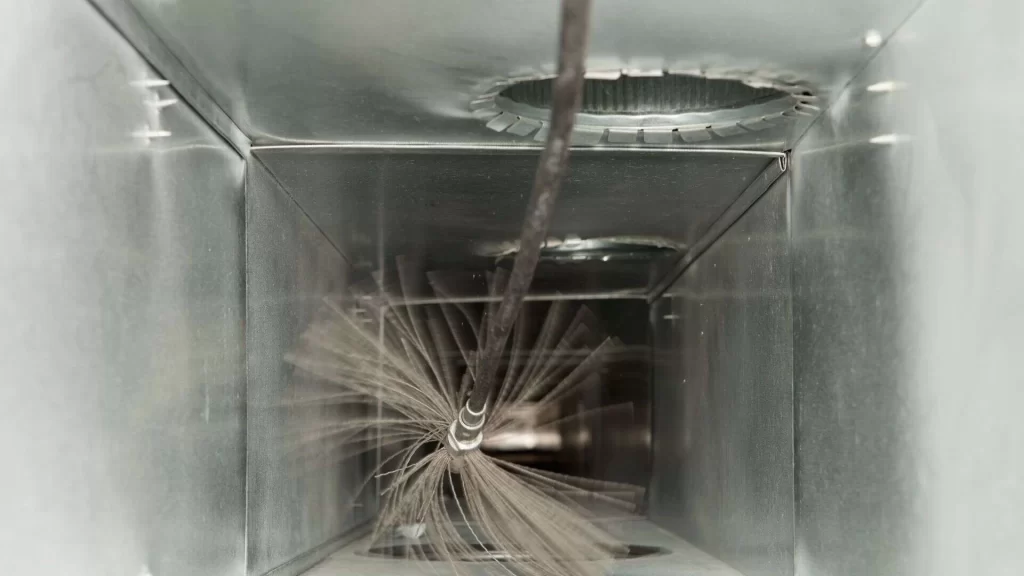
With the vacuum running, technicians use agitation tools to break loose the contaminants stuck to the inside of your ducts. This might include rotary brushes, compressed air nozzles, or air whips—basically tools that dislodge dust and debris so the vacuum can extract it.
We work through each section of ductwork, cleaning supply vents, return vents, and the main trunk lines. Vent covers are removed, cleaned, and reinstalled. The air handler, blower motor, evaporator coil, and drain pan are also cleaned if they’re accessible. NADCA standards recommend cleaning the entire system, not just the ducts, because contamination in one part can spread to the rest.
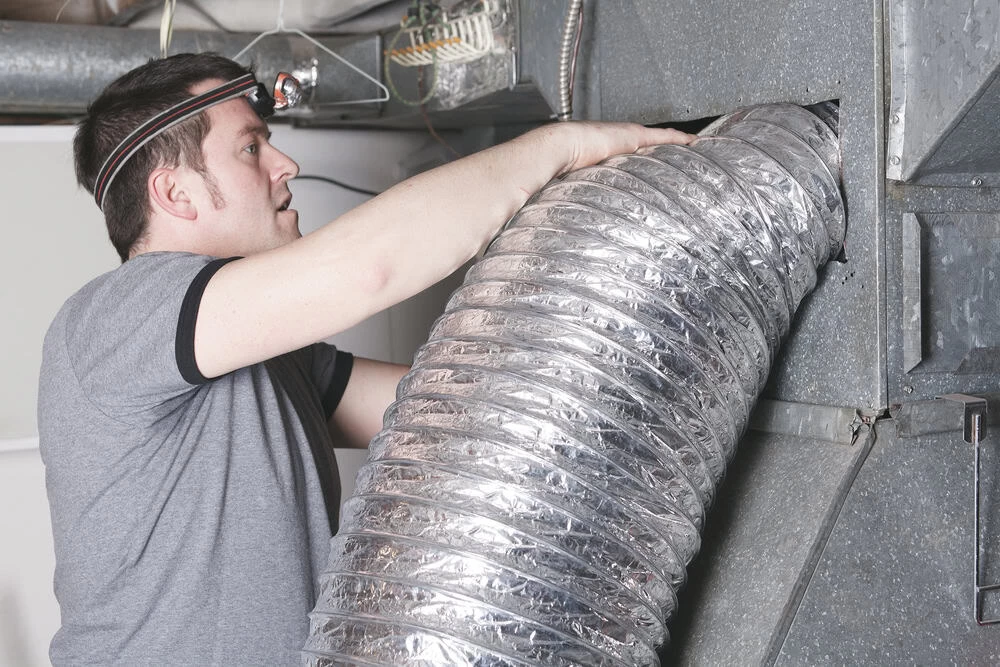
The whole process for an average-sized home in Reno typically takes two to four hours with a two-person crew. Larger homes, homes with multiple HVAC systems, or systems with significant contamination take longer. If your ductwork is in a hard-to-reach area—tight crawl spaces, buried behind finished walls, up in the attic—that adds time and sometimes cost.
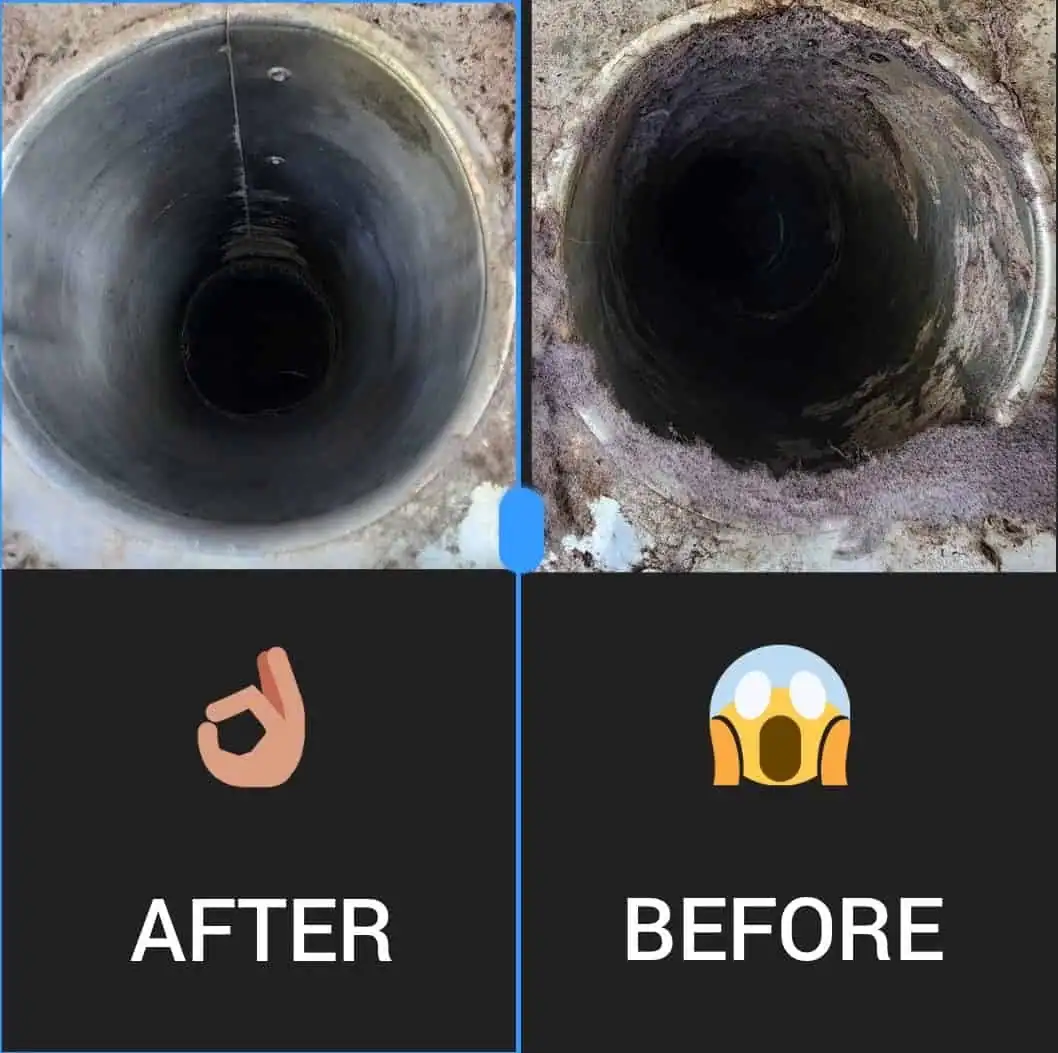
After cleaning, we perform a final inspection to verify the work. We provide before-and-after photos so you can see the difference. This isn’t just for show. It’s proof the job was done thoroughly.
One thing to note: proper duct cleaning doesn’t involve chemical sealants or biocides unless there’s a specific issue like mold, and even then, it should only be applied after mechanical cleaning. The EPA and NADCA both recommend against routine use of these products because they can introduce their own health risks and don’t replace actual cleaning.
If a company tells you they need to spray something to “seal” your ducts or offers to coat them with a product that will keep them clean forever, be skeptical. That’s not standard practice, and it’s often a way to upsell unnecessary services.
What Air Duct Cleaning Costs in Reno
Most homeowners in Reno pay between $359 and $500 for professional air duct cleaning. That’s for a standard-sized home with a typical duct system. The national average runs higher—$450 to $1,000—but Reno’s local market tends to sit on the lower end of that range.
Several factors affect the final price. The size of your home matters. More square footage usually means more ductwork, more vents, and more time to clean. If you have multiple HVAC systems, each one needs its own cleaning, which increases the cost.
Accessibility is another factor. If your ducts are easy to reach, the job goes faster. If they’re buried in tight crawl spaces, behind walls, or running through an attic with limited access, it takes longer and requires more effort. That extra time translates to higher labor costs.
The type of ductwork also plays a role. Flexible ducts need gentler handling than rigid metal ducts. Older systems or ducts with internal fiberglass insulation require specialized care. Not every company has the training or equipment to handle those safely, and the ones that do charge accordingly.
The level of contamination matters too. If your ducts are lightly dusty, cleaning is straightforward. If they’re packed with years of debris, mold, or construction dust, it takes more time and effort to get them clean. Reno’s dry, dusty climate means systems here often accumulate debris faster than in more humid regions, so contamination levels can be higher.
Here’s what to avoid: “$99 whole house specials.” If someone quotes you that price, walk away. It’s a bait-and-switch tactic. They’ll show up, do a cursory inspection, then tell you the job actually costs three or four times that amount because of “unforeseen issues.” Legitimate duct cleaning can’t be done properly for $99. The equipment alone costs more to operate than that.
When you’re getting quotes, make sure the company specifies what’s included. A thorough cleaning should cover the entire system—ducts, vents, air handler, coils, and drain pan. If they’re only cleaning the main trunk lines or a limited number of vents, you’re not getting the full service.
Ask if the price includes the inspection, the cleaning, and the final verification. Some companies charge separately for those. Also ask about the process. If a company can’t explain how they create negative pressure, what agitation tools they use, or whether they follow NADCA standards, that’s a red flag.
When to Schedule Air Duct Cleaning in Reno
NADCA recommends having your ducts cleaned every three to five years for most homes. In Reno, you might need it more often. If you have pets, deal with allergies, or were affected by wildfire smoke, every two to three years makes more sense. If you’ve done recent renovations or moved into a home where the ducts haven’t been touched in years, don’t wait.
The key is paying attention to what your home is telling you. Dust that won’t quit, rising energy bills, uneven temperatures, or worsening allergy symptoms are all signs it’s time to call someone. Don’t ignore them.
When you’re ready to schedule, look for a company that’s transparent about pricing, follows NADCA standards, and can explain their process without the sales pitch. Ask for references, read reviews, and make sure they’re insured. Reno’s climate means your ducts work harder than most, so regular maintenance isn’t optional—it’s part of keeping your home comfortable and your air clean.
We’ve been helping homeowners maintain healthier indoor environments for over a decade, with a focus on transparent pricing and professional service that actually delivers results.