Summary:
What Does Air Duct Cleaning Cost in Reno, NV?
Most Reno homeowners pay between $359 and $500 for professional air duct cleaning, with the average landing around $374 to $409. That’s for a standard-sized home with a typical duct system. Nationally, prices range from $450 to $1,000, but Reno’s local market tends to sit on the lower end of that spectrum.
Here’s the thing though: if someone quotes you $75 or even $99 for a “whole house special,” walk away. Those prices are designed to get someone in your door, not to actually clean your ducts. You’ll either get a surface-level job that misses most of the buildup, or you’ll face aggressive upselling once they’re inside. Legitimate, thorough duct cleaning doesn’t happen for pocket change.
The sweet spot for quality service in Reno falls between $300 and $500 for most single-system homes. Larger homes, homes with multiple HVAC systems, or properties with heavy contamination from smoke or mold will push toward the higher end or beyond.
How Home Size and Duct System Complexity Affect Your Price
Your home’s square footage matters because it directly correlates to how much ductwork you have. More ducts mean more work. Some companies charge by square footage—typically $0.15 to $0.40 per square foot—while others price per vent.
If you’re being quoted per vent, expect to pay $25 to $50 for each supply vent and $40 to $75 for return vents. Most homes have more supply vents than return vents, so the total adds up quickly. A typical package covers up to 15 vents for around $400, with additional vents running $5 to $10 each.
But square footage and vent count don’t tell the whole story. If your home has multiple HVAC systems, you’re looking at a higher cost because each system needs its own cleaning. Homes with ductwork in hard-to-reach places—think tight crawl spaces, attics, or ducts buried behind finished walls—will also cost more. Accessibility isn’t just about convenience for the technician. It’s about how much time and specialized equipment we need to do the job right.
Then there’s the type of ductwork itself. Flexible ducts require gentler handling than rigid metal ducts, and older systems may need extra care to avoid damage. If your ducts are insulated internally with fiberglass, that adds another layer of complexity. Not every company has the training or equipment to handle those safely, and the ones that do charge accordingly.
Reno’s climate also plays a role. The dry, dusty air here means your ducts accumulate debris faster than they would in a more humid environment. If you’ve lived through wildfire season with smoke seeping into your home, that residue doesn’t just disappear. It settles into your ductwork and keeps circulating every time your HVAC kicks on. Cleaning that out takes more time and effort than a routine dust removal, and that’s reflected in the price.
What Contamination Levels and Add-On Services Cost
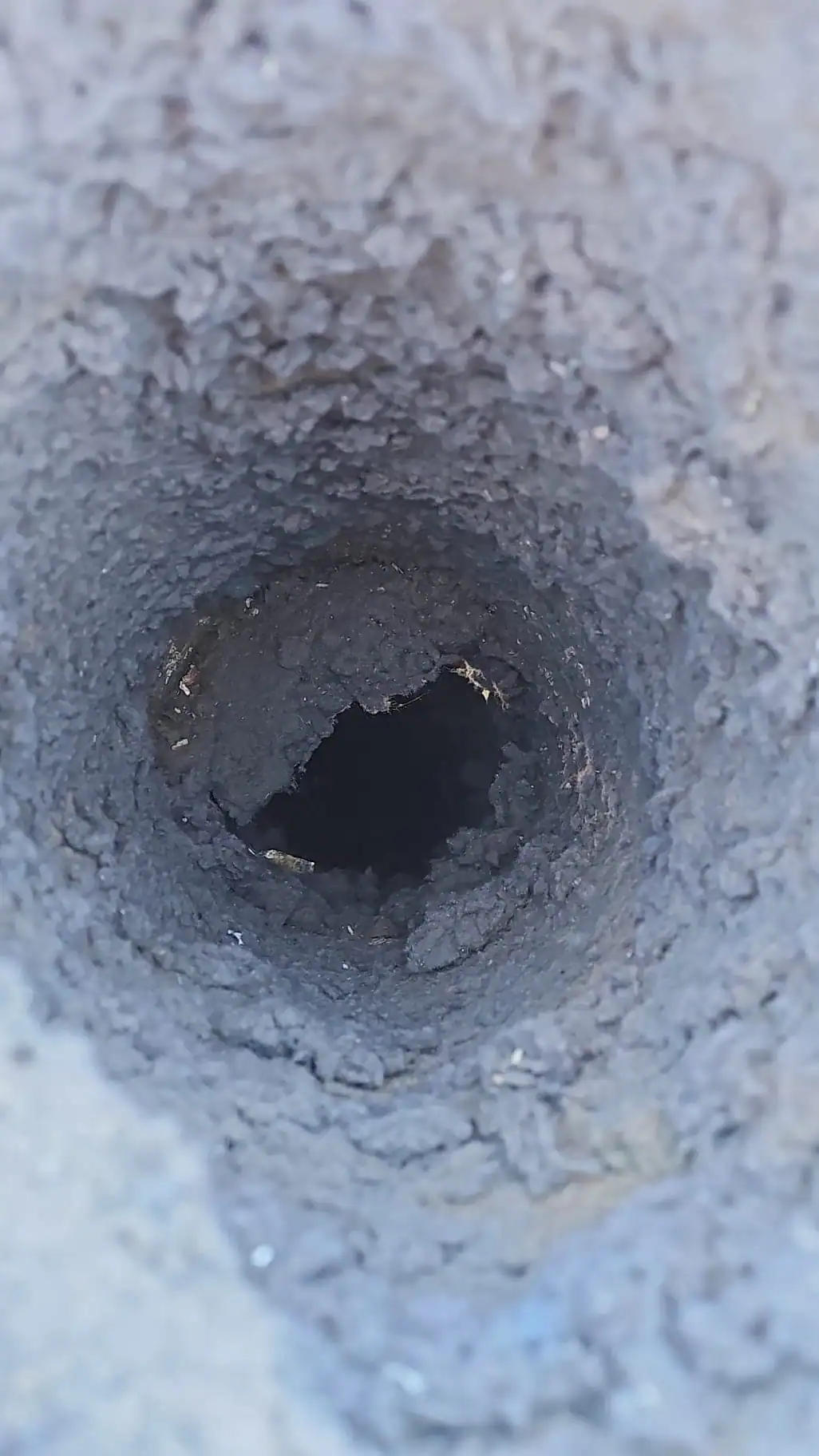
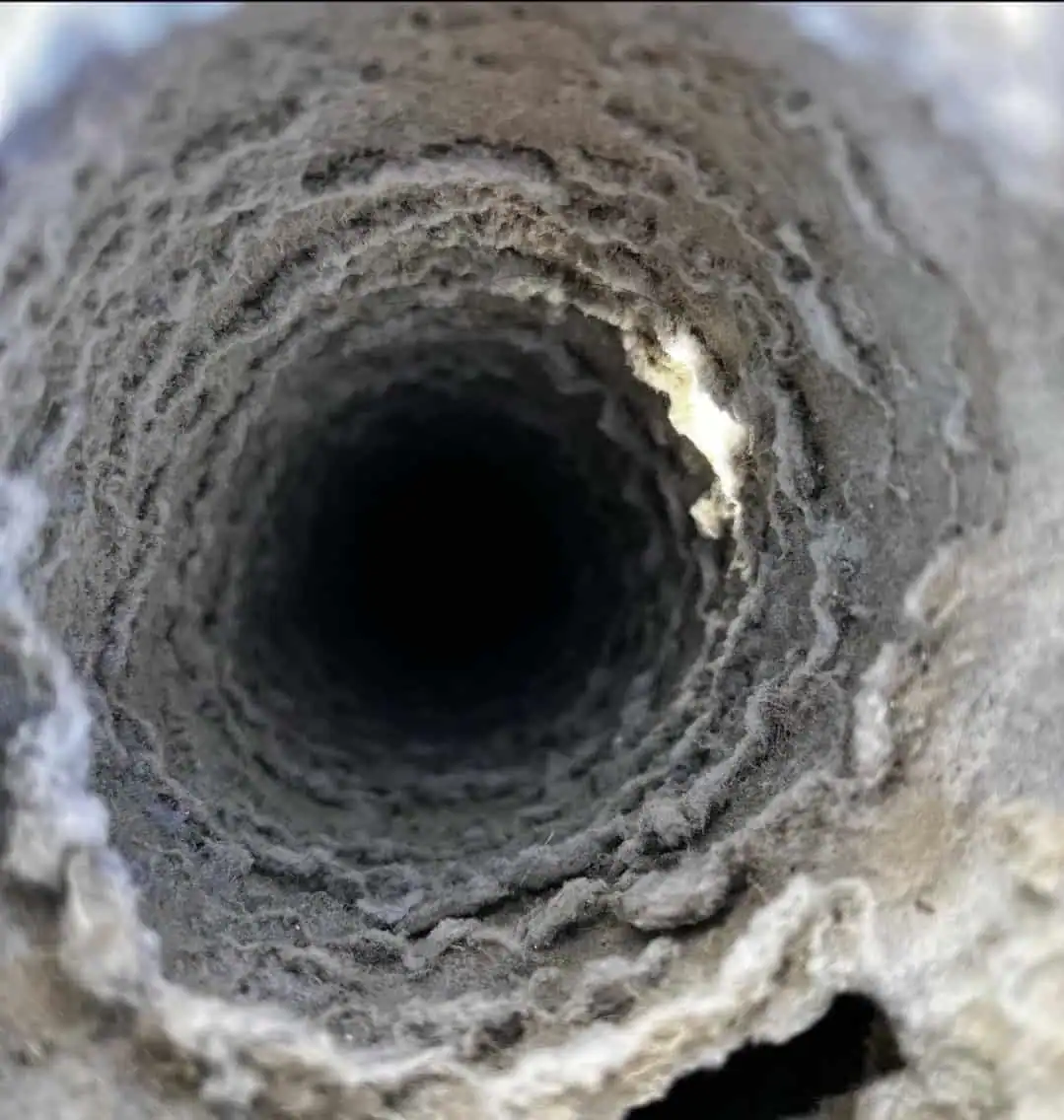
Not all duct cleaning jobs are created equal. If your ducts haven’t been cleaned in years—or ever—you’re dealing with heavier buildup. Dust, pet dander, pollen, and debris compact over time, and removing that takes more than a quick vacuum pass. Expect to pay more for a system that’s heavily contaminated.
Mold is a different beast entirely. If you see visible mold around your vents or smell that musty, damp odor, you’re not just looking at a cleaning job. You’re looking at remediation. Mold testing alone can run around $50, and if the lab confirms it’s mold, professional removal typically costs between $500 and $2,000, depending on how widespread it is. This isn’t something you want to skip or try to handle yourself. Mold spores circulating through your home are a legitimate health hazard, especially for anyone with asthma or respiratory issues.
Rodents and pests add another layer of complication. If you’ve had mice, rats, or even insects in your ductwork, their droppings and nesting materials need to be removed and sanitized. That’s not part of a standard cleaning package. Pest-related contamination requires specialized handling, and you’ll likely need pest control services before or alongside the duct cleaning. Budget for both.
We offer sanitizing and deodorizing as add-ons. Sanitizing treatments help eliminate bacteria, mold spores, and allergens that regular cleaning might not fully remove. Deodorizing tackles persistent smells from pets, smoke, or moisture. These services usually cost an additional $30 to $50, and they’re worth considering if you’re dealing with ongoing odor issues or if someone in your home has severe allergies.
Dryer vent cleaning is often bundled with air duct cleaning at a discounted rate. If you’re already having your ducts cleaned, it makes sense to knock out the dryer vent at the same time. Clogged dryer vents are a fire hazard, and they make your dryer work harder, which shortens its lifespan and drives up your energy bill. Standalone dryer vent cleaning typically runs $140 to $200, but we offer it for less when combined with duct cleaning.
If your ductwork has leaks, loose connections, or damaged seams, you’ll need repairs before or during the cleaning. Duct repairs range from $175 for minor fixes to over $2,000 for major work. Leaky ducts waste energy and pull in contaminants from unconditioned spaces like attics or crawl spaces, so fixing them isn’t optional if you want your HVAC system to perform efficiently.
What Factors Drive Air Duct Cleaning Costs in Reno?
Understanding what affects the cost helps you evaluate quotes and spot red flags. Some factors are straightforward—like the size of your home—while others are less obvious but just as important.
Location matters, even within Reno. Labor costs, overhead, and operating expenses vary, and companies based farther from your home may tack on travel fees. Hiring a local company keeps those costs down and often means faster service if you need follow-up work.
The cleaning method also impacts price. Companies using truck-mounted vacuums and negative pressure systems—the industry standard for thorough cleaning—charge more than those using portable equipment. But that’s not a bad thing. Portable “blow-and-go” systems push debris around without actually removing it, and they often leave your home dustier than before. Truck-mounted systems create powerful suction that pulls contaminants out of your ducts and into a sealed container outside your home. That’s the difference between a surface clean and a real one.
How to Spot Fair Pricing Versus Scams
Pricing red flags are easier to spot than you might think. If a company advertises a “whole house special” for under $100, that’s a bait-and-switch. They’ll either do a rushed, incomplete job, or they’ll start finding “problems” that require expensive upgrades once they’re inside your home. Either way, you’re not getting what you paid for.
Be wary of companies that make sweeping health claims without backing them up. Yes, clean ducts improve indoor air quality, but no legitimate company will promise that duct cleaning will cure your allergies or prevent illness. Those claims are unsubstantiated, and they’re often used to justify inflated prices or unnecessary services.
Ask for a written estimate that breaks down exactly what’s included. A reputable company will explain what they’re going to clean, how long it will take, and what equipment they’ll use. If they’re vague about any of that, keep looking. You want a company that’s upfront about the scope of work before they start, not one that surprises you with extra charges after the fact.
Check for NADCA certification. The National Air Duct Cleaners Association sets industry standards for cleaning practices, and NADCA-certified companies follow those standards. That certification means their technicians have been trained properly and that the company uses the right equipment and methods. It’s not a guarantee of perfection, but it’s a strong indicator that you’re dealing with professionals who know what they’re doing.
Insurance and licensing matter too. A company that’s properly insured protects you if something goes wrong during the cleaning. Ask for proof of insurance, and don’t work with anyone who hesitates to provide it. In some states, air duct cleaners need special licenses. Nevada doesn’t currently require one, but companies should still hold relevant HVAC or contractor licenses.
Read reviews, but read them critically. Look for patterns in feedback rather than focusing on isolated complaints. How does the company respond to negative reviews? Do they take responsibility and offer solutions, or do they get defensive? Customer service matters, especially when you’re inviting contractors into your home.

What a Thorough Air Duct Cleaning Should Include
Not all duct cleaning services are the same, and knowing what to expect helps you hold companies accountable. A thorough cleaning isn’t just about running a vacuum through your vents. It’s a multi-step process that addresses the entire HVAC system.
The process should start with an inspection. We need to see what we’re working with before we quote a price or start cleaning. That means opening access ports, checking for mold or pest contamination, and identifying any damage or leaks. If a company quotes you over the phone without seeing your system, that’s a red flag.
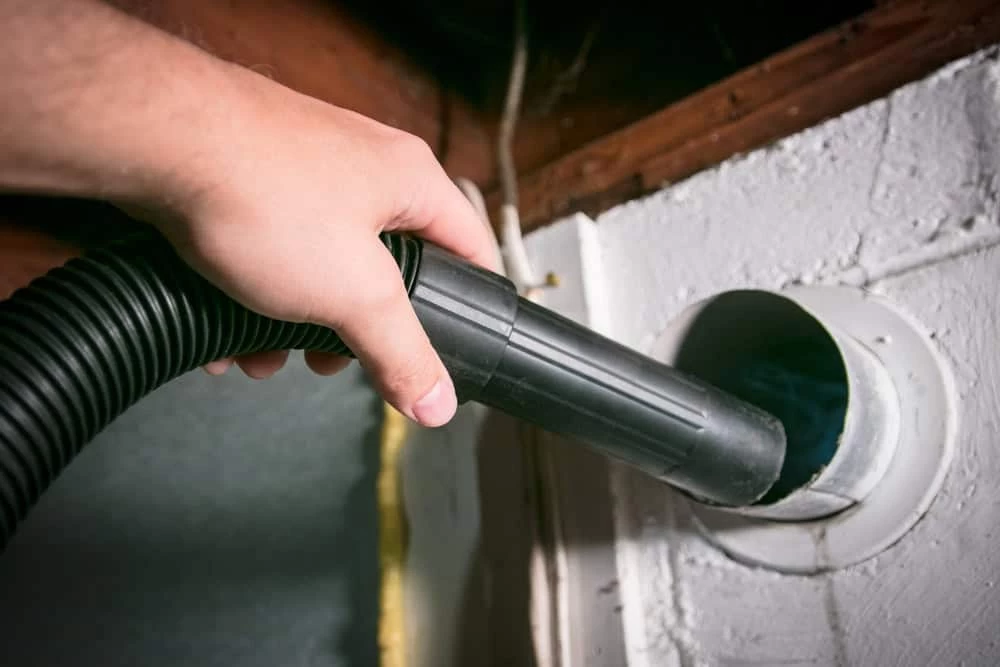
Once the inspection is done, the real work begins. We place your entire duct system under negative pressure using a powerful vacuum. This prevents dust and debris from escaping into your home during the cleaning. Then we use specialized tools—rotary brushes, compressed air, or mechanical agitators—to dislodge buildup from the duct walls. The vacuum pulls all that debris out of your home and into a sealed container.
A complete cleaning includes more than just the ducts themselves. Your furnace, air conditioner, blower, cooling coils, drip pans, and air handling unit all need attention. Dust and debris in those components reduce efficiency and shorten the lifespan of your HVAC system. Skipping them means you’re only getting half the job done.
We also clean and inspect all supply and return vents, grills, and registers. These are the visible parts of your system, and they’re often the dirtiest. If your vents are sealed with caulking, we may need to remove and reseal them, which adds a bit of time but ensures a thorough clean.
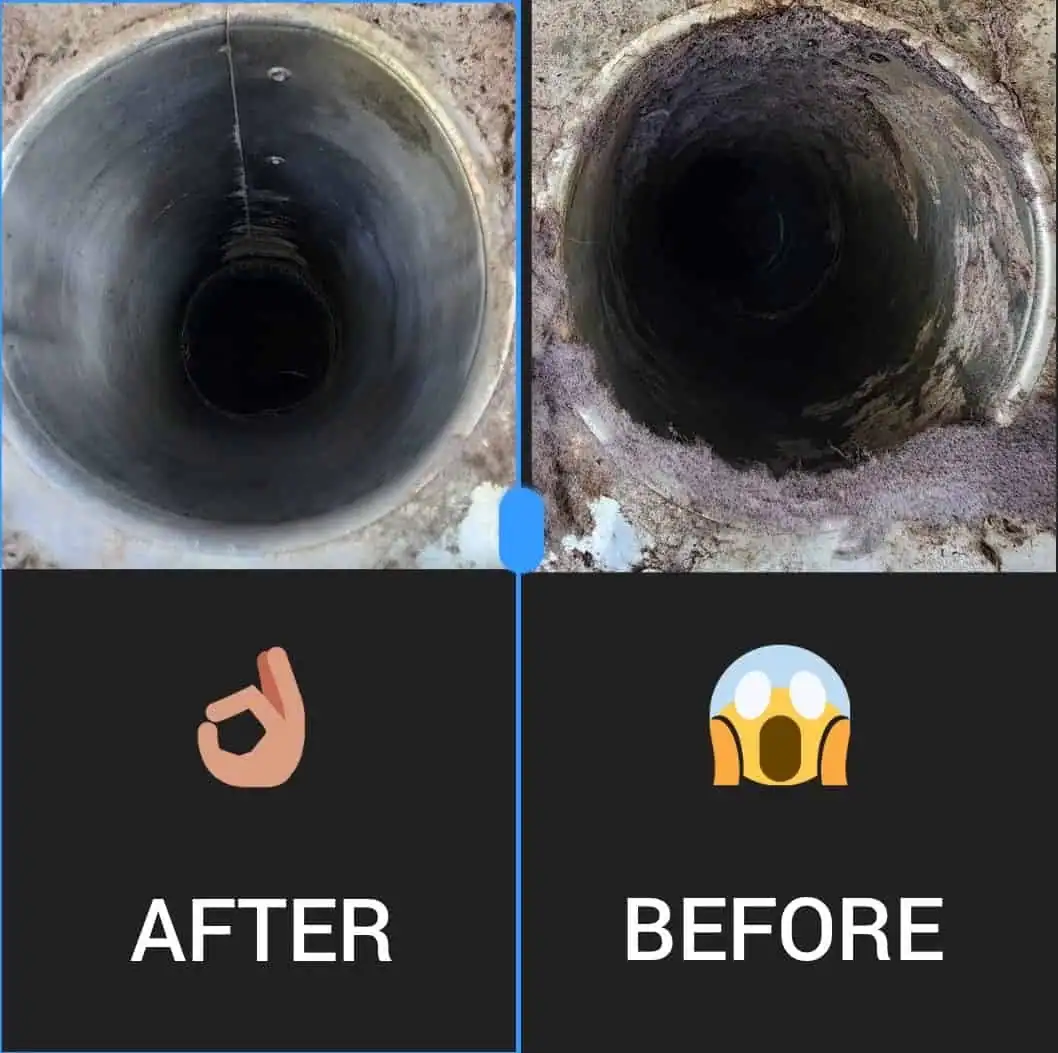
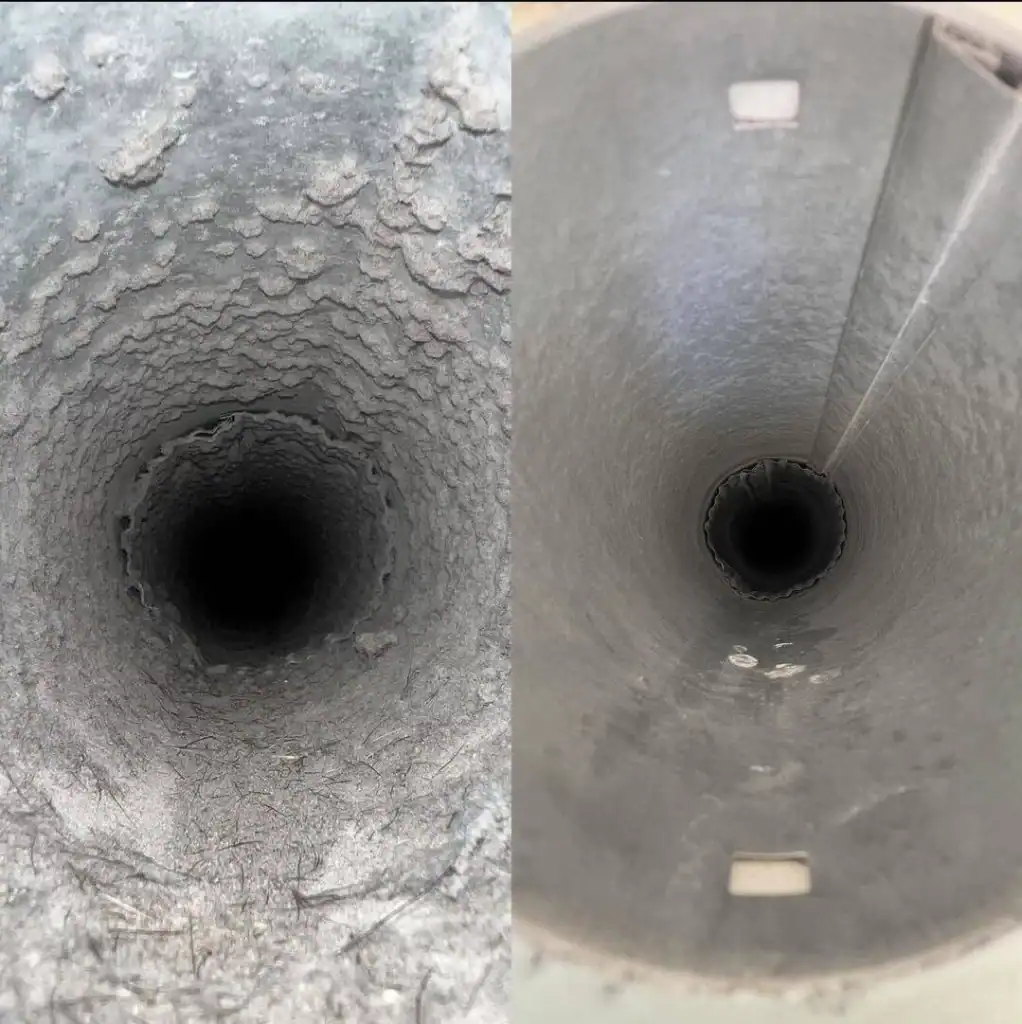
After the cleaning, we provide before and after photos. We document the condition of your ducts before we start and show you the results when we’re finished. You’re paying for a service you can’t see once it’s done, so visual proof matters.
Cleanup is part of the job. We use drop cloths to protect your floors and furniture, and we wear booties to avoid tracking dust through your home. When we’re done, your house should be cleaner than when we started, not covered in a layer of dust.
The whole process typically takes two to five hours for an average-sized home, depending on the size of your system and the level of contamination. If a company tells you they can clean your entire system in 30 minutes, they’re not doing it right.
Making the Right Choice for Your Reno Home
Air duct cleaning isn’t something you do every year, so when you do it, it’s worth doing right. You’re looking at $359 to $500 for most homes in Reno, with the final price depending on your home’s size, the condition of your ducts, and the quality of the company you hire.
Focus on finding a company that’s transparent about pricing, certified by NADCA, and willing to explain their process before they start. Avoid the “$99 specials” and companies that make health claims they can’t back up. Ask for references, read reviews, and make sure they’re insured.
Reno’s climate means your ducts work harder than they do in most places. Between wildfire smoke, desert dust, and temperature inversions that trap pollutants, your indoor air quality takes a hit. Regular duct cleaning—every three to five years for most homes, more often if you have pets or recent smoke exposure—keeps your HVAC system running efficiently and your air cleaner.
If it’s been a while since your ducts were cleaned, or if you’re noticing dust, odors, or higher energy bills, it’s time to call someone. We’ve been helping homeowners in Northern Nevada breathe easier for over a decade, with transparent pricing and no hidden fees.