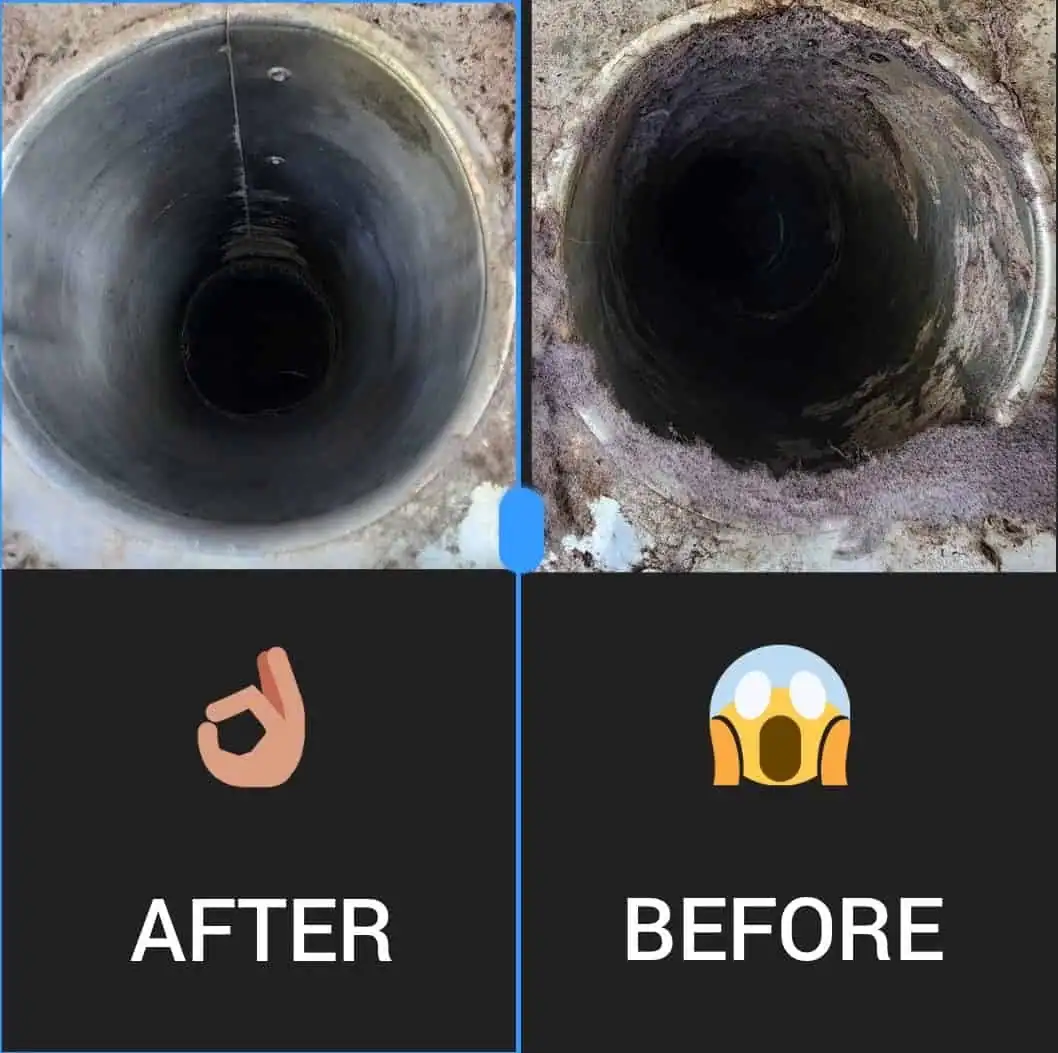
Summary:
If your dryer’s taking two cycles to finish what used to take one, or your laundry room feels like a sauna mid-load, your vent is probably clogged. And if you’re finally ready to get it cleaned, you’re wondering what it’ll cost.
In Reno, professional dryer vent cleaning typically runs $140 to $200 for most homes. That range isn’t arbitrary—it’s based on where your vent exits, how complex your system is, and how much buildup has accumulated. Reno’s dusty climate also plays a role, since desert air and lint create blockages faster than in other parts of the country.
Here’s what actually determines dryer vent cleaning cost in Reno, what separates a fair price from an inflated one, and what you’re paying for when you hire a pro.
Average Dryer Vent Cleaning Cost in Reno
Most Reno homeowners pay between $140 and $200 for professional dryer vent cleaning. That’s slightly above the national average of $130 to $150, but Reno’s conditions justify the difference.
Ground-level vents tend to fall on the lower end. Second-story or roof exits require ladders, safety equipment, and more time, pushing costs toward $200 or higher. If your vent hasn’t been cleaned in years and there’s heavy compaction or a bird nest, add another $50 to $100 for removal.
The key is this: dryer vent cleaning cost isn’t flat. Your price depends on your specific setup. Any company quoting you without seeing your system is either guessing or planning to add fees later.
What Drives Dryer Vent Cleaning Prices Higher or Lower?

Location is the biggest factor. Ground-level vents that run a short distance to an exterior wall cost the least to clean. Roof vents are different. We climb up, bring safety gear, work at angles, and clean from multiple access points. That’s why roof vent cleaning runs $150 to $250 or more.
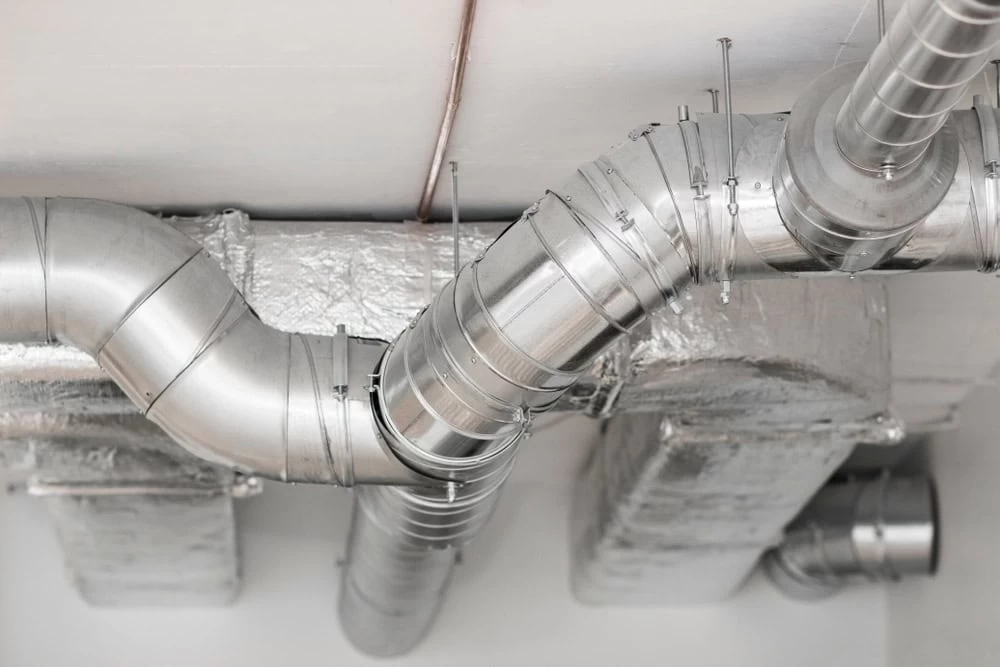
Vent length and turns matter too. A straight 10-foot run is simple. A 25-foot vent with three 90-degree bends takes specialized tools and more time. Every turn creates a lint trap, which means more buildup and more work to clear it.
Reno’s climate adds another variable. Dry, dusty air accelerates lint accumulation compared to humid areas. Desert dust mixes with lint to create a stubborn, flammable layer that takes real effort to remove. Homes near open desert or in areas with frequent dust storms see heavier buildup between cleanings than you’d find in Portland or Seattle.
If your vent hasn’t been touched in several years, or there’s a bird nest or severe blockage, expect extra charges. Removing nests or clearing total blockages can add $100 to $200, but it’s not optional. A blocked vent is a fire waiting to happen.
Some companies charge hourly instead of flat rates—typically $90 to $160 per hour. Most jobs take 30 to 60 minutes, but complex or heavily clogged systems can run two to three hours. If you’re quoted hourly, ask for an estimated time so you know what to expect.
How Reno's Dusty Climate Affects Vent Cleaning Frequency and Cost
Reno’s environment is rough on dryer vents. Low humidity, dust storms, and high desert winds mean your vent collects more than lint. Sand, dust, pollen, and debris get pulled in every cycle, and that mixture compacts faster and harder than lint alone.
Homes in Spanish Springs, Cold Springs, or anywhere backing up to open desert see this worse than neighborhoods near downtown or the Truckee River. If dust settles on your patio furniture after a windy afternoon, it’s settling in your dryer vent too.
This doesn’t always increase the cost of a single cleaning, but it does mean you’ll need service more often. The national recommendation is annual cleaning. In Reno, if you’re running more than eight loads per week or live in a dusty area, twice-yearly cleaning makes sense. That’s not upselling—it’s reality.
Regular cleaning prevents the severe blockages that drive costs up. A vent cleaned once or twice a year won’t develop the same baked-on, compacted buildup as one neglected for five years. You’ll pay less per visit and avoid the premium charges for major blockage removal.
Reno’s older homes—especially pre-1990 builds—often have longer vent runs with more turns. Builders then didn’t prioritize short, straight paths, so you might have a system snaking through walls, making several bends, and exiting on the roof. Those systems trap lint more readily and cost more to clean because of the extra time involved.
If you’re buying a home in Reno, ask when the dryer vent was last cleaned and where it exits. A roof vent on a two-story home with a long run costs more to maintain than a ground-level vent running five feet to an exterior wall. Factor that into your budget.
What's Actually Included in the Service?
Professional dryer vent cleaning isn’t a quick brush-through. A thorough service includes inspection, deep cleaning, airflow testing, and an explanation of what was found.
We inspect your entire vent system from dryer connection to exterior exit, looking for blockages, damage, disconnections, and code violations. If you’re using plastic or foil ducting instead of rigid metal, that’s a fire hazard and code violation. We’ll point that out.
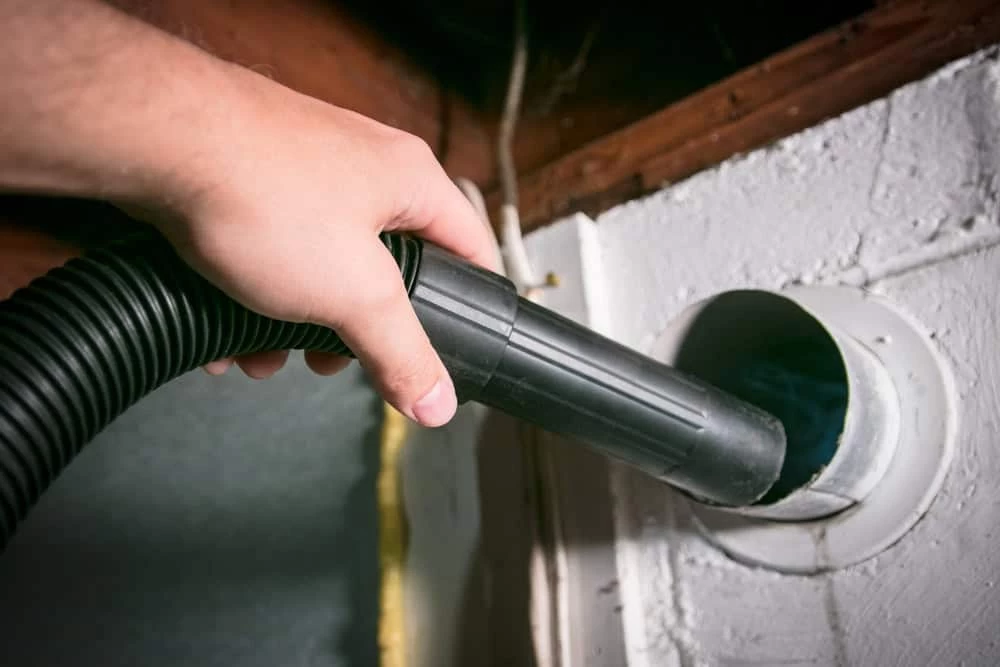
Then comes the actual cleaning, using high-powered vacuums, rotating brush systems, and compressed air tools that reach deep into the vent and scrub walls clean. This isn’t what a $30 DIY kit can do—those brushes move surface lint but won’t clear compacted buildup or reach a full vent run.
Why Professional Equipment Matters More Than You Think
DIY dryer vent cleaning kits run $25 to $50 and look like easy savings. They’re not. They work for light surface cleaning and nothing else. The brushes are too short to reach full vent runs, the vacuum attachments lack the suction to pull compacted lint, and you can’t see inside the duct.
Professional equipment operates at a different level. Commercial vacuums generate thousands of cubic feet per minute of suction—what it actually takes to pull out lint that’s been compressed and heat-baked onto duct walls. Rotating brush systems scrub the entire interior as they move through the vent, dislodging buildup a static brush can’t touch.
We also use cameras to inspect before and after cleaning. That identifies damage, disconnections, or design issues causing lint accumulation. You can’t do that with a DIY kit, which means you might miss a serious problem until it causes a fire or your dryer quits.
The cost gap between DIY and professional service is $100 to $150. The results gap is the difference between surface cleaning and actually solving the problem. If your vent is heavily clogged, a DIY attempt can make it worse by pushing lint deeper or damaging the duct.
DIY cleaning also skips airflow testing. Professional service includes measuring airflow before and after to confirm the vent is actually clear. If airflow doesn’t improve, there’s still a blockage or a design problem. You won’t know that with DIY until your dryer still doesn’t work right.
For most homeowners, the $140 to $200 professional cost is worth it for peace of mind alone. You know the job was done right, you get documentation of findings, and you’re not guessing about safety.

What a Thorough Dryer Vent Inspection Actually Covers
The inspection is where professional service proves its value. A thorough inspection catches problems you didn’t know existed and prevents issues that would cost far more to fix later.
We check the entire vent path from dryer to exterior exit, looking for lint buildup plus damage, disconnections, improper materials, and design flaws. If your vent is kinked, crushed, or disconnected in the wall, lint is accumulating where it shouldn’t. If you’re using flexible plastic or foil ducting, that’s a fire hazard requiring replacement with rigid metal.
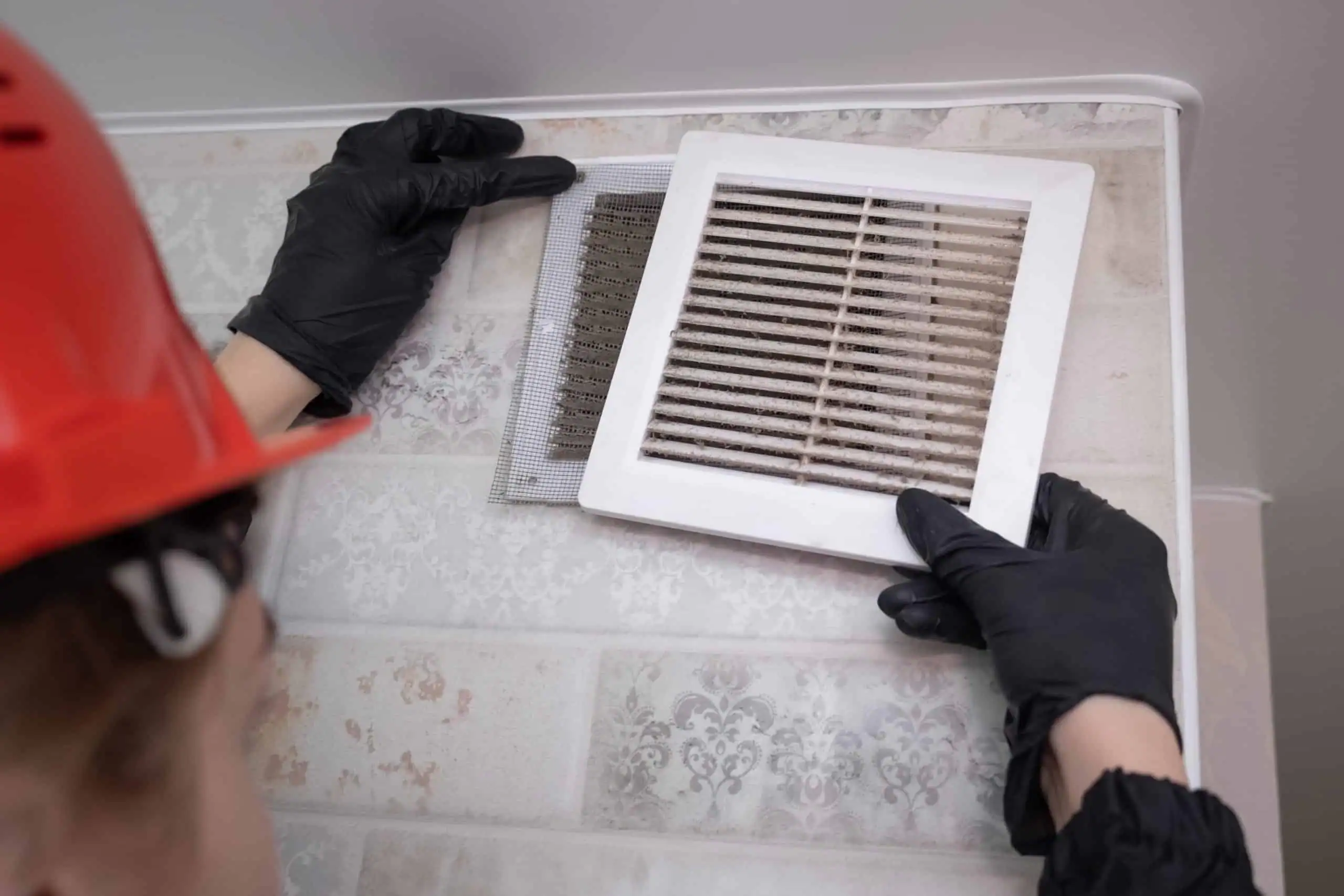
We also check the exterior vent flap. If it’s stuck closed, clogged, or damaged, air can’t exhaust properly even with a clean duct. A broken or missing flap also lets birds, rodents, and insects into your system. Removing a bird nest or rodent debris adds cost, but it’s necessary—those blockages are fire hazards.
In Reno, exterior vent flaps take a beating from sun, wind, and dust. Plastic flaps crack and break down faster here than in milder climates. Metal flaps last longer but get clogged with dust and lint without regular checks. A good inspection ensures that flap opens and closes properly and isn’t letting debris in.
The inspection includes checking code compliance too. Building codes require rigid metal ducting with specific limits on vent length and turns. If your system doesn’t meet code, that’s a safety issue and potentially a problem when selling your home. We’ll point out violations and explain what needs fixing.
After cleaning, we test airflow to confirm everything works properly. We’ll explain what we found, show you the lint removed, and flag any issues needing attention. That documentation is valuable for rental properties or home sales.
Is the Cost Worth It for Reno Homeowners?
The average dryer vent cleaning cost in Reno—$140 to $200—is small compared to what you’re preventing. Dryer fires cause over 15,000 house fires annually, with failure to clean as the leading cause. The average dryer fire results in thousands in damage. A $150 annual cleaning is cheap insurance.
Beyond fire prevention, you’re saving on energy bills. A clogged vent makes your dryer work 30% harder and run longer, adding $20 to $30 monthly to utilities. Over a year, that’s $240 to $360—more than two professional cleanings. The service pays for itself in energy savings.
If your dryer in Reno is taking longer to dry clothes, running hot, or showing warning signs, don’t wait. We’ve served Northern Nevada homeowners for over a decade with transparent pricing, professional equipment, and owner Jorge Mendoza’s personal commitment to quality.