Summary:
Your dryer’s taking longer to finish loads. Your energy bill crept up last month. And somewhere in the back of your mind, you know that vent needs cleaning.
So now you’re weighing your options. Buy a kit and handle it yourself, or pay someone to do it right? It’s a fair question, especially when you’re not sure what “right” even looks like. The truth is, both approaches have their place—but only one of them works when your vent runs 20 feet through your attic, makes three turns, and exits through the roof. And in Reno’s dry, dusty climate, what you don’t clean can become a serious problem faster than you think. Here’s what you actually need to know before you decide.
What DIY Dryer Vent Cleaning Actually Involves
DIY dryer vent cleaning means you’re handling the job with tools you either already own or pick up at the hardware store. Most kits run between $15 and $50 and include flexible rods that connect together, a brush attachment, and sometimes a vacuum adapter. You disconnect the dryer, feed the brush through the vent from inside or outside, and work it back and forth to dislodge lint.
It sounds simple enough. And for some setups, it is. If your dryer sits against an exterior wall with a short, straight vent that’s maybe four to seven feet long, a basic kit can handle the job. You’ll pull out visible lint, improve airflow, and feel like you accomplished something.
But that’s where the simplicity ends. Most Reno, NV homes don’t have short, straight vents. They have 15 to 25-foot runs with bends, turns, and sections you can’t see or reach. And that’s when DIY cleaning stops being effective and starts creating new problems you didn’t have before.
The Tools You'll Need for DIY Dryer Vent Cleaning

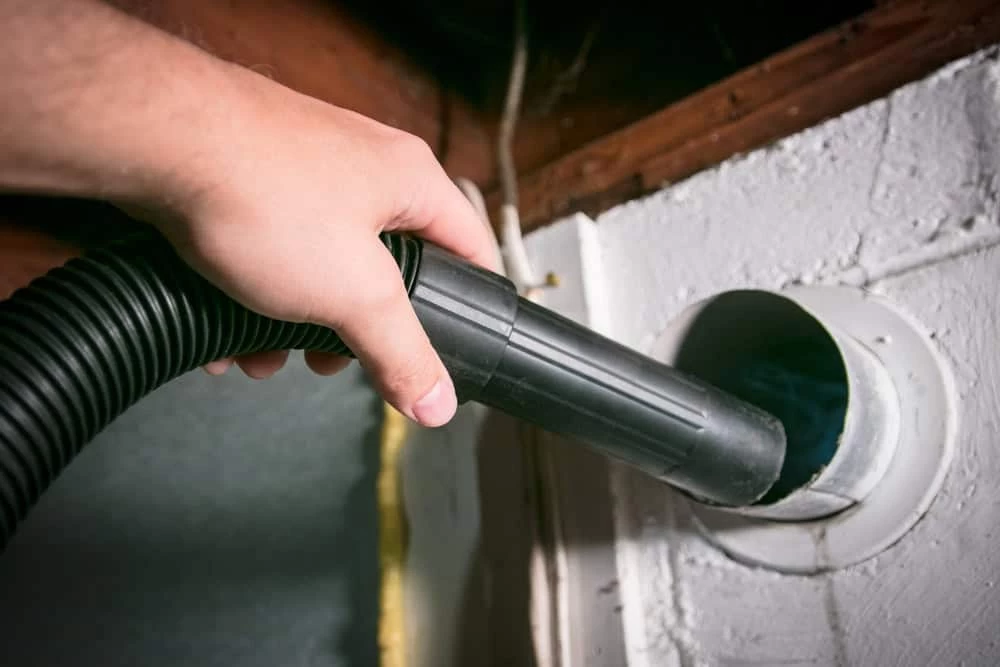
If you’re going the DIY route, you’ll need more than good intentions. At minimum, you’re looking at a dryer vent cleaning kit with flexible rods and a brush head. These kits extend anywhere from 12 to 30 feet, depending on what you buy. You’ll also want a vacuum with a hose attachment—preferably a shop vac with strong suction—to pull out the lint you dislodge.
Some homeowners add a power drill to the mix. Many dryer vent cleaning tools include a drill adapter that spins the brush as you push it through the vent. It’s faster than doing it by hand, and it can break up compacted lint more effectively. You’ll also need a screwdriver to disconnect the vent clamps, work gloves to keep your hands clean, and a flashlight to see what you’re dealing with inside the vent opening.
Here’s what most DIY guides don’t tell you. Those flexible rods? They’re made of plastic. Push them too hard around a bend, and they snap. Twist them the wrong way, and they disconnect deep inside your vent, leaving you with a bigger problem than you started with. The brush might reach 20 feet on paper, but if your vent makes two 90-degree turns, you’re not getting past the first elbow without serious effort. And if you push lint forward instead of pulling it back, you’ve just compacted the blockage tighter.
The vacuum helps, but only if you can access both ends of the vent. If your exterior vent is on the roof or tucked behind landscaping, you’re working blind. You might pull out some lint from the dryer end and assume you’re done, but the real buildup could be sitting 10 feet down the line where your brush never reached.
DIY dryer vent cleaning tools work when the job matches their limitations. Short vent, ground level, no major bends. Anything beyond that, and you’re not cleaning your vent—you’re just moving lint around and hoping for the best.
When DIY Dryer Vent Cleaning Makes Sense
There are situations where handling dryer vent cleaning yourself is a reasonable choice. If your dryer is on an exterior wall and the vent runs less than seven feet in a straight line to the outside, a basic kit will likely get the job done. You can disconnect the vent, run the brush through, vacuum both ends, and call it a day. Total time investment: maybe 30 minutes. Total cost: $20 to $50 for the kit.
This works best if you’re keeping up with regular dryer vent maintenance. If you cleaned your vent six months ago and you’re just doing a quick refresh, DIY makes sense. You’re not dealing with years of compacted lint or hidden blockages. You’re maintaining a system that’s already in decent shape.
It also makes sense if you’re comfortable working around your dryer and you have easy access to both ends of the vent. Some homeowners enjoy hands-on projects and would rather spend an hour on a Saturday handling it themselves than coordinating a service appointment. If that’s you, and your vent setup is simple, go for it.
But here’s the reality check. Most Reno, NV homes don’t have simple setups. Older homes downtown might have vents that snake through crawl spaces or attics. Newer builds in South Reno often have laundry rooms in the center of the house, meaning your vent runs 20-plus feet before it exits. If your vent has more than one turn, runs longer than 10 feet, exits through the roof, or hasn’t been cleaned in over a year, DIY isn’t going to cut it.
You’ll spend money on tools that can’t reach the problem. You’ll waste time fighting with rods that get stuck or break. And worst case, you’ll push lint deeper into the vent, creating a tighter blockage and a bigger fire hazard. At that point, you’re not saving money—you’re just delaying the inevitable call to a professional and possibly making their job harder.
What Professional Dryer Vent Cleaning Actually Delivers
Professional dryer vent cleaning isn’t just “DIY with better tools.” It’s a different process entirely. When you hire a professional, they’re not guessing whether they got all the lint. They’re using equipment designed to clean the entire vent system, from the dryer connection to the exterior exhaust, regardless of length, bends, or access points.
We use high-powered vacuums, rotary brush systems, and compressed air tools that reach deep into ductwork and pull out compacted lint that DIY kits can’t touch. We inspect the vent before and after cleaning, often with cameras, to confirm the system is clear and functioning properly. We check for damage, disconnected sections, improper installations, and code violations that homeowners typically miss.
In Reno, NV, where dust and dry air accelerate lint buildup, professional cleaning addresses the hidden accumulation that creates fire hazards. It’s not just about what you can see at the dryer connection—it’s about what’s trapped 15 feet down the line where your vacuum hose doesn’t reach.
The Real Cost of Professional Dryer Vent Cleaning
Professional dryer vent cleaning in Reno, NV typically runs between $140 and $200 for a standard residential system. That price covers the inspection, cleaning, and any recommendations for maintaining your system between professional visits. If your vent exits through the roof or requires special equipment to access, expect to pay closer to the higher end of that range.
Compare that to a $30 DIY kit, and it’s easy to see why some homeowners hesitate. But here’s what you’re actually paying for when you invest in professional service. You’re paying for equipment that costs thousands of dollars and is designed specifically for this job. You’re paying for someone who’s cleaned hundreds of vents and knows what a problem looks like before it becomes a disaster. You’re paying for thoroughness—not just surface cleaning, but a complete system flush that restores proper airflow and eliminates fire risk.
You’re also paying for peace of mind. When we finish the job, you’re not left wondering if you missed something. You know the vent is clear because we tested it. You know it’s safe because we inspected it. And if we found damage or installation issues, you know about it before your dryer overheats or your insurance claim gets denied.
Think about it this way. If your dryer vent causes a fire, you’re looking at thousands—potentially tens of thousands—in property damage. Insurance might cover it, but only if you can prove you maintained the system. A $150 annual cleaning is cheap insurance compared to rebuilding part of your home. And that’s before you factor in the energy savings from a dryer that actually works efficiently.
Some companies offer package deals if you combine dryer vent cleaning with air duct cleaning or sign up for annual maintenance. Others provide discounts for repeat customers. It’s worth asking, but even at full price, professional cleaning pays for itself in safety, efficiency, and appliance longevity. You’re not just cleaning a vent—you’re protecting your investment and your family.
When You Need a Professional Instead of DIY
There are clear situations where DIY isn’t just ineffective—it’s a bad idea. If your dryer vent runs longer than 15 feet, you need a professional. Standard DIY kits max out around 20 to 30 feet of rod length, but that doesn’t account for the resistance you hit when pushing through turns and compacted lint. Most homeowners can’t effectively clean beyond 10 feet with a DIY kit, even if the rods technically reach farther.
If your vent has multiple 90-degree bends, DIY tools will struggle. Those plastic rods aren’t designed to navigate tight turns under pressure. They’ll bend, twist, disconnect, or snap off inside the vent. And once that happens, you’ve got a stuck brush and broken rods adding to your lint problem. We use flexible, durable equipment that handles bends without breaking.
Roof vents are another automatic call for a pro. Cleaning from the outside requires getting on your roof safely, which most homeowners aren’t equipped to do. Cleaning from the inside means you’re working blind, with no way to confirm you’ve cleared the entire run. We have the ladders, safety equipment, and experience to handle roof vents without risking injury or incomplete cleaning.
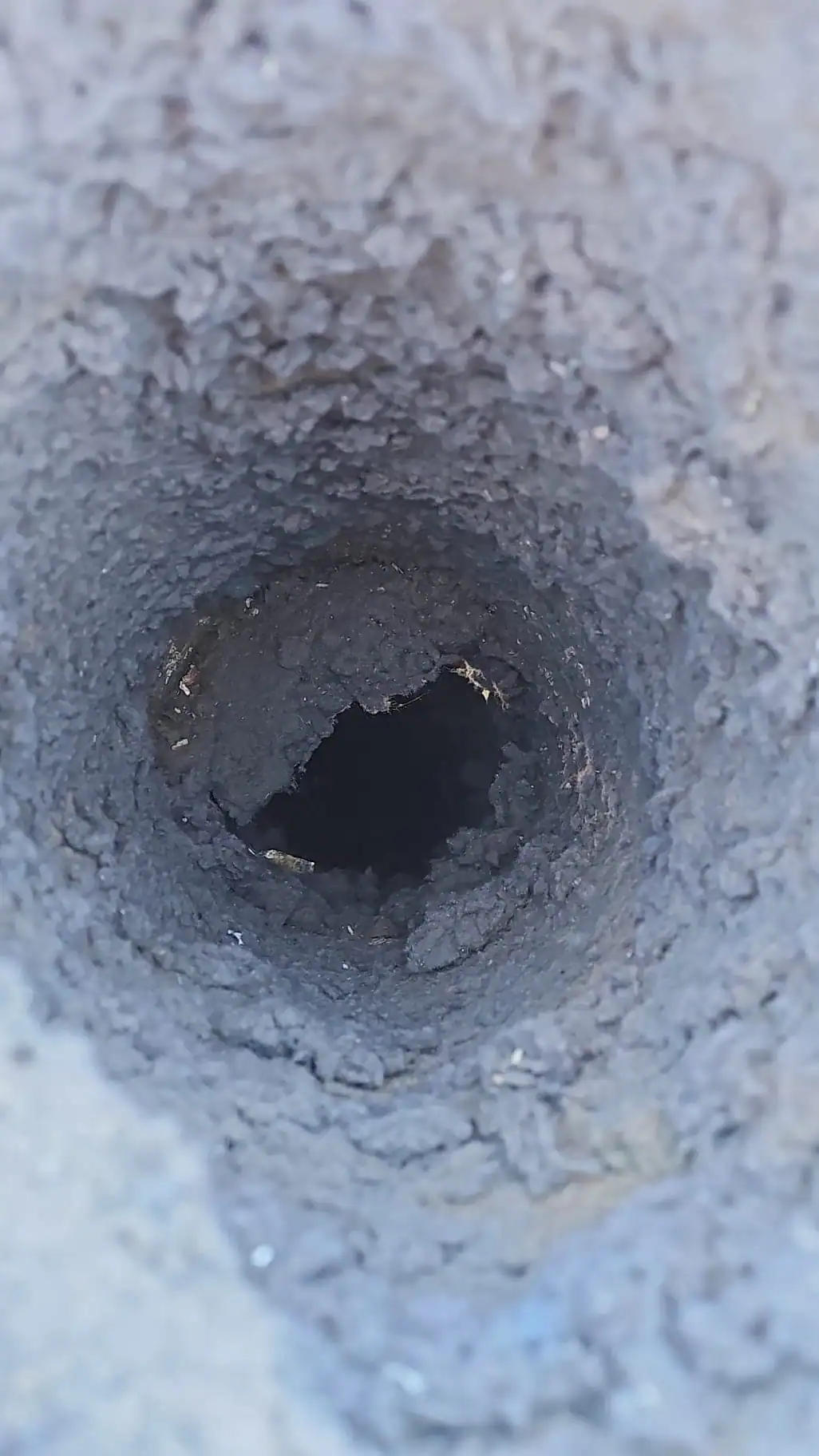
If your vent hasn’t been cleaned in three or more years, don’t DIY it. You’re not dealing with light lint accumulation. You’re dealing with compacted buildup that’s been baking onto the duct walls for years. That requires serious suction and agitation to remove, not a brush on a plastic rod. Trying to force it with DIY tools usually just pushes the blockage tighter.
Reno’s dry, dusty climate makes this worse. Dust mixes with lint and static electricity to create dense, sticky buildup that adheres to vent walls. In humid climates, some of that moisture helps lint move through the system. Here, it just sits and accumulates. If you’re noticing longer drying times, a burning smell, or excessive heat around your dryer, you’ve already got a problem that needs professional attention.
Finally, if you’ve tried DIY and it didn’t work—if your dryer still takes forever, if you couldn’t reach the full vent, if your tools got stuck—stop. You’re not going to fix it with another attempt. Call someone who has the right equipment and knows how to use it. Professional dryer vent cleaning handles what DIY can’t, and it does it without the safety risks or wasted effort.
Making the Right Choice for Your Reno Home
Choosing between DIY and professional dryer vent cleaning comes down to your specific situation. If you have a short, straight vent that’s easy to access and you’re staying on top of regular maintenance, DIY can work. But for most Reno, NV homeowners dealing with longer runs, multiple bends, roof exits, or years of neglected buildup, professional cleaning is the only option that actually solves the problem.
The stakes are real. Clogged dryer vents cause nearly 3,000 house fires every year. Your dryer works harder, costs more to run, and wears out faster when airflow is restricted. And in Reno’s dry climate, lint and dust build up faster than in more humid areas, making regular professional cleaning even more important for fire prevention and dryer efficiency.
If you’re ready to get your dryer vent properly cleaned and inspected, we bring over a decade of experience to Reno-area homeowners. Transparent pricing, professional equipment, and thorough service—no surprises, no shortcuts.