Summary:
You dust your furniture on Monday. By Thursday, there’s a visible layer again. Your allergies seem worse at home than anywhere else. And every time the heat or AC kicks on, you wonder what’s actually circulating through those vents.
If that sounds familiar, you’re not imagining it. Reno, NV’s dry climate, seasonal wildfires, and desert dust create indoor air quality challenges that most national advice doesn’t address. The question isn’t just whether air duct cleaning improves air quality—it’s whether it makes a real difference here, in these conditions, for your home.
Let’s look at what actually happens inside your ductwork and when cleaning makes sense.
What Happens Inside Your Air Ducts in Reno, NV
Your HVAC system pulls air in, conditions it, and pushes it back out through a network of ducts hidden behind your walls. Along the way, particles from everyday life get trapped inside. Dust is the obvious one, but in Reno, NV, it’s not just household dust.
It’s fine desert particles that blow in during windy days. It’s residue from wildfire smoke that seeps into homes during fire season. It’s pollen from oak, birch, and cedar trees that finds its way inside even when windows stay closed.
Over time, these contaminants build up on duct surfaces. When your system runs, some of that material gets dislodged and circulated back into the rooms where you live, eat, and sleep. This cycle of indoor air pollution continues day after day unless the source gets addressed.
How Reno's climate affects dust and allergen buildup

Nevada is the driest state in the country. Washoe County gets about 11 inches of rain per year on average. That lack of moisture means dust stays airborne longer and settles into every crack and crevice—including your ductwork. For comparison, humid climates see dust settle faster and stick to surfaces rather than continuously circulating.
During spring and early summer, Reno, NV experiences what locals call the Washoe Zephyr—strong winds that kick up dust from surrounding desert areas like Smoke Creek and Black Rock Desert. These aren’t just inconvenient. They’re carrying microscopic particles directly into your home’s ventilation system, where they accumulate on duct surfaces and get blown into your living spaces every time your HVAC runs.
Then there’s wildfire season. Smoke from regional fires doesn’t just affect outdoor air quality temporarily. It infiltrates homes and deposits residue inside ductwork, where it continues circulating long after the skies clear. If you’ve dealt with heavy smoke during fire season, that contamination is likely still in your ducts months later.
Pollen adds another layer to indoor air pollution. Oak, birch, cedar, and various grasses release pollen that enters homes on clothing, through door openings, and via small gaps in your home’s envelope. Your HVAC system captures some of it, but not all. What remains gets recirculated multiple times a day, triggering allergies in ducts even when you’re not outdoors.
For homes with pets, add dander to the mix. These microscopic skin flakes are particularly potent allergens that get trapped in ducts and continuously recirculated. For homes near construction zones or undergoing renovations, add drywall dust and sawdust. All of this accumulates in a space you can’t see and probably don’t think about until something feels off—persistent sneezing, unexplained congestion, or dust buildup that returns within days of cleaning.
The average six-room house collects 40 pounds of dust annually in its air ducts. In Reno, NV’s dry, dusty environment, that number can be even higher.
Why indoor air pollution matters more than you think
Most people assume outdoor air is dirtier than indoor air. The opposite is often true. The EPA has found that indoor air can be two to five times more polluted than outdoor air. In some cases, indoor air quality is worse than what you’d breathe standing next to a busy street. Your ductwork plays a significant role in that statistic.
Think of your HVAC system as the lungs of your home. It breathes in air, processes it, and breathes it back out. When your ducts are contaminated, every breath your home takes pulls in pollutants, and every exhale pushes those pollutants into your living spaces. This creates a continuous cycle of contamination.
You might clean your home thoroughly, but if your ducts are dirty, you’re fighting a losing battle. The dust you wipe off surfaces today will be back tomorrow because your HVAC system keeps depositing it there. That’s not a cleaning problem—it’s an air circulation problem.
For Reno, NV homeowners, this problem intensifies during certain times of year. Winter brings temperature inversions that trap pollutants in the valley, meaning outdoor air quality declines and you rely more heavily on recirculated indoor air. During wildfire season, smoke particles that infiltrate your home get trapped in ductwork and continue circulating long after outdoor air clears.
The impact isn’t just about visible dust. Fine particulate matter—the kind that’s 2.5 micrometers or smaller—can penetrate deep into your lungs when inhaled. Mold spores, allergens, and chemical compounds from household products all contribute to poor indoor air quality. When these contaminants circulate through your HVAC system day after day, they affect how you feel—even if you can’t see them.
For people with allergies, asthma, or other respiratory sensitivities, this constant exposure makes symptoms worse. Young children and elderly family members are particularly susceptible to the effects of poor indoor air quality. The dust mites that feed on accumulated debris can trigger asthmatic and allergic reactions. Breathing health becomes compromised not because of what’s happening outdoors, but because of what’s trapped inside your own ventilation system.
Does Air Duct Cleaning Actually Improve Air Quality
The short answer: it depends on the situation and how it’s done. The EPA doesn’t recommend routine duct cleaning for every home, but they acknowledge it can help when specific conditions exist—like visible mold growth, vermin infestation, or excessive dust and debris clogging the system.
Research shows that when duct cleaning is performed correctly using proper source removal methods, it can significantly reduce the amount of dust and allergens circulating in your home. Studies have documented a 60% reduction in airborne contaminants after professional cleaning.
The key phrase is “when done correctly.” Improperly performed duct cleaning can actually make indoor air quality worse by stirring up contaminants without fully removing them. That’s why the method matters as much as the decision to clean.
What the research says about duct cleaning and HVAC efficiency
Scientific studies consistently show that HVAC systems act as reservoirs for dust and allergen particles. When airflow moves through contaminated ductwork, some of those particles get reintroduced into living spaces. Organizations like the EPA and HVAC industry associations acknowledge that removing built-up debris from duct systems can reduce sources of airborne particles and improve overall system performance.
The National Air Duct Cleaners Association conducted research showing that the average six-room house collects 40 pounds of dust annually in its air ducts. That’s not a typo—40 pounds of accumulated debris sitting in the pathways that deliver air to every room in your home. Even a small amount of this buildup can impact your system’s performance and the air you breathe.
Research also shows that removing just 0.042 inches of dust buildup from cooling coils improves HVAC efficiency by 21%. Clean ducts reduce static pressure, allowing fans to move air more easily while consuming less electricity. Recent studies have documented energy savings of 41% to 60% in fan and blower energy consumption after professional cleaning, along with airflow improvements of 10% to 46%. For Reno, NV homeowners running HVAC systems nearly year-round, those efficiency gains translate to real money saved on monthly energy bills.
For allergy and asthma sufferers, the benefits can be particularly noticeable. While duct cleaning alone isn’t considered a medical treatment, reducing the overall allergen load in a home can make indoor air more comfortable for people with sensitivities. Allergists note that while there’s never been a definitive study showing objective disease improvement from duct cleaning, it’s a common-sense move for people sensitive to what’s found in dust—pet dander, pollen, dust mites, and other allergens in ducts.
Professional source removal cleaning significantly reduces the amount of dust and particulate matter circulating indoors. When dust, pollen, and pet dander are removed from ductwork, there’s less material available to be blown back into rooms every time the HVAC system runs. This lower circulation of irritants means reduced long-term allergen exposure.
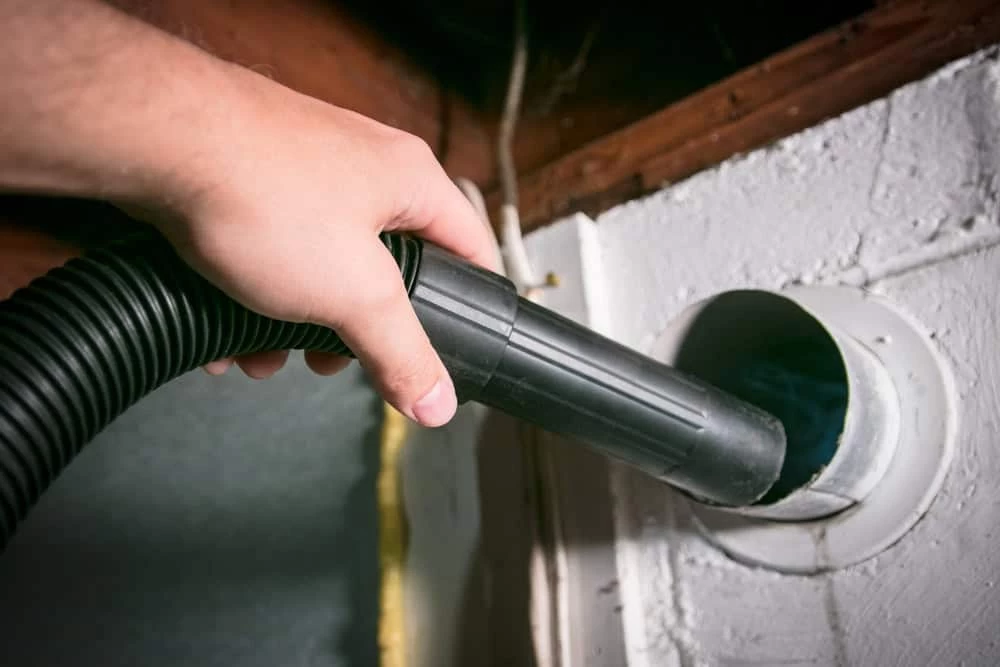
The caveat is that not all duct cleaning delivers these results. Low-quality methods or equipment—like ordinary vacuums and brushes instead of professional-grade tools—can release more contaminants into your home or potentially damage ductwork. We use specialized equipment like HEPA vacuums, rotary brush systems, and negative pressure machines to ensure contaminants are actually removed rather than just redistributed. We seal the system during cleaning to prevent dust and debris from escaping into your home, then use high-powered vacuum cleaners and agitation tools to dislodge and remove accumulated buildup.

When air duct cleaning makes sense for Reno homes
NADCA recommends having ducts cleaned every three to five years for most homes. But Reno, NV’s unique environmental conditions mean you may need it more often. Wildfire smoke, desert dust, and seasonal air quality challenges all contribute to faster buildup in your ductwork than you’d see in more humid or less dusty regions.
Homes with pets should consider cleaning every two to three years. Pet dander is particularly persistent and potent as an allergen, consisting of microscopic skin flakes that get trapped in ducts and recirculated throughout your home. If family members have allergies or asthma, more frequent cleaning can help reduce triggers that worsen symptoms indoors.
Recent renovations are another clear indicator. Construction generates drywall dust, sawdust, and other fine debris that settles into duct systems during the project. This construction dust is especially problematic because it’s so fine it stays airborne longer and penetrates deeper into your ductwork. If you’ve had any remodeling work done, your ducts likely need attention.
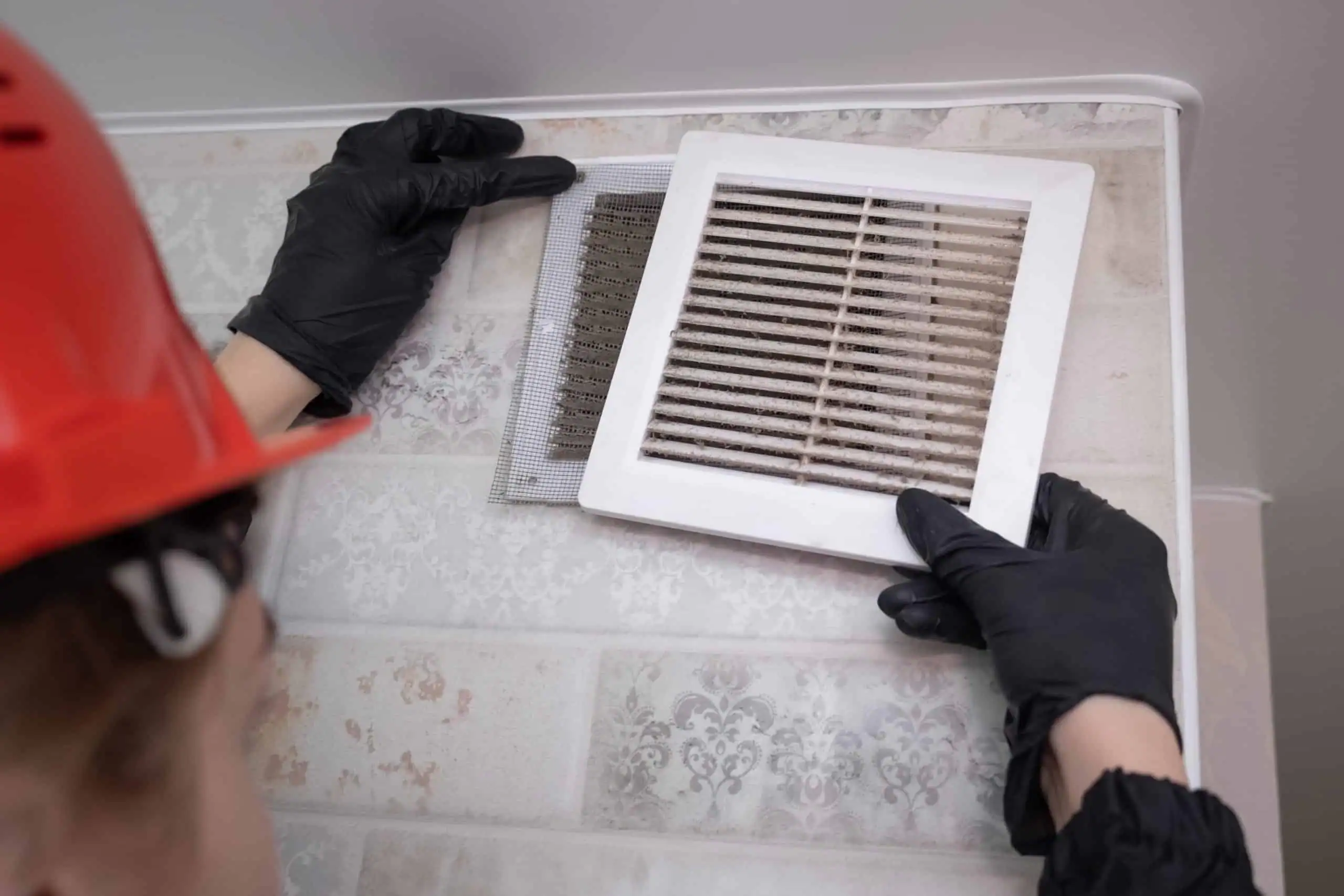
Visual signs tell you when cleaning is overdue. If you see dust puffing out from vents when your system starts up, that’s debris being blown into your living spaces. Visible dust or debris around vent covers means there’s buildup inside the ductwork. Musty odors when the system runs often indicate mold growth somewhere in the duct system—a problem that needs immediate attention.
You might also notice your HVAC system isn’t performing like it used to. Rooms that were once comfortable now feel stuffy. Some rooms are too hot while others are too cold. Your system runs longer to reach the temperature on your thermostat. Energy bills have crept up without explanation. These symptoms often indicate that your system is fighting an uphill battle against clogged airways, reducing HVAC efficiency and wasting energy.
If you’ve dealt with heavy wildfire smoke during fire season, that residue has likely infiltrated your home and settled in your ductwork. The same goes for periods of intense dust storms or unusually high pollen counts. When outdoor air quality issues affect your area, your indoor air quality suffers too, and your ducts collect those contaminants. They don’t just disappear when outdoor conditions improve—they stay trapped in your ductwork until they’re physically removed.
For homeowners who just moved into a home in Reno, NV where the duct cleaning history is unknown, scheduling an inspection is a smart first step. You don’t know what the previous owners dealt with or how they maintained the system. Starting fresh with clean ducts gives you a baseline and ensures you’re not inheriting someone else’s indoor air pollution problem.
Making the Right Decision for Your Reno Home
Air duct cleaning can improve indoor air quality in Reno, NV homes—especially when you’re dealing with wildfire smoke residue, desert dust accumulation, persistent allergies, or visible signs of contamination. The key is understanding when it makes sense for your specific situation and ensuring it’s done properly by certified professionals using source removal methods.
Reno, NV’s dry climate, seasonal wildfires, and desert environment create conditions where duct cleaning often delivers more noticeable benefits than in other parts of the country. Your home should be where you breathe easiest, and when dust, allergens, and contaminants accumulate in your ductwork, that’s not always possible.
If you’re experiencing any of the signs discussed—persistent indoor allergies, visible dust around vents, musty odors, unexplained spikes in energy bills, or concerns about wildfire smoke residue—it’s worth having your system inspected. We provide thorough assessments and professional cleaning services that address the source of contamination, helping Reno, NV families breathe cleaner air and maintain more efficient HVAC systems.