Summary:
If you live in Reno, NV, you know what wildfire season looks like. The sky turns orange, the air gets heavy, and you close the windows and stay inside. But here’s the part most people don’t think about: closing the windows doesn’t keep the smoke out of your air. It keeps getting pulled into your home through your HVAC system — through the return vents, through the air handler, and straight into the ductwork that runs through every room. By the time the air quality advisory lifts, the damage may already be done. This page explains what’s actually happening inside your ducts after a smoke event, and why acting quickly makes a real difference.
How Wildfire Smoke Gets Into Your Home's Air Ducts
Most people assume their HVAC system protects them during a wildfire smoke event. The reality is closer to the opposite. When your system is running, it’s actively pulling outdoor air in through return vents and pushing it through your home. During a smoke event, that air carries fine particulate matter — specifically PM2.5, particles small enough to slip through standard filters and embed into the lining of your ductwork.
Even if you turned your system off during the worst of it, smoke still infiltrates through gaps in the building envelope, through exhaust vents, and through natural air exchange. Homes aren’t airtight. PM2.5 particles are extraordinarily fine — roughly 30 times smaller than a human hair — and they find their way in regardless.
Once they’re inside your ducts, they don’t just sit there passively. Every time your system runs, those particles get redistributed into your living space. That’s why so many Reno homeowners notice a persistent smoky smell weeks after a fire — not because smoke is still in the air outside, but because it’s cycling through the HVAC system inside.
Why Changing Your Air Filter Isn't Enough After a Smoke Event
This is probably the most common misconception we run into. A homeowner goes through a smoke event, swaps out their air filter — maybe even upgrades to a MERV 11 or MERV 12 — and figures the problem is handled. It’s a reasonable assumption. But it misses something important.
Your air filter captures particles moving through the system going forward. It does nothing about the smoke, soot, and volatile organic compounds (VOCs) that already coated the inside of your ducts, your air handler, your coils, and your blower motor before the filter was changed. That contamination is already there. A new filter just means the next round of incoming air gets screened — it doesn’t reach back and clean what’s already embedded in the system.
VOCs are worth paying attention to specifically. Wildfire smoke releases them when organic material burns — wood, brush, structures — and they’re what give smoke its persistent, acrid smell. They bond to surfaces inside your ductwork and off-gas slowly over time, meaning your home can smell like smoke for weeks or months after a fire even if the outdoor air is completely clear. The odor isn’t just unpleasant. The pollutants behind it can irritate the respiratory system, aggravate asthma, and cause ongoing symptoms that homeowners often attribute to allergies or a lingering cold.
A Desert Research Institute study that tracked air quality in Reno across 106 wildfire events found that during fire-prone summer months, wildfire smoke accounted for 56 to 65 percent of fine particulate matter concentrations in the air. That’s not a fringe problem — it’s the dominant air quality threat this region faces every year. When that volume of smoke is in the outdoor air, a meaningful amount of it is working its way into homes and HVAC systems across the Reno-Sparks metro. A filter swap doesn’t address that scale of infiltration.
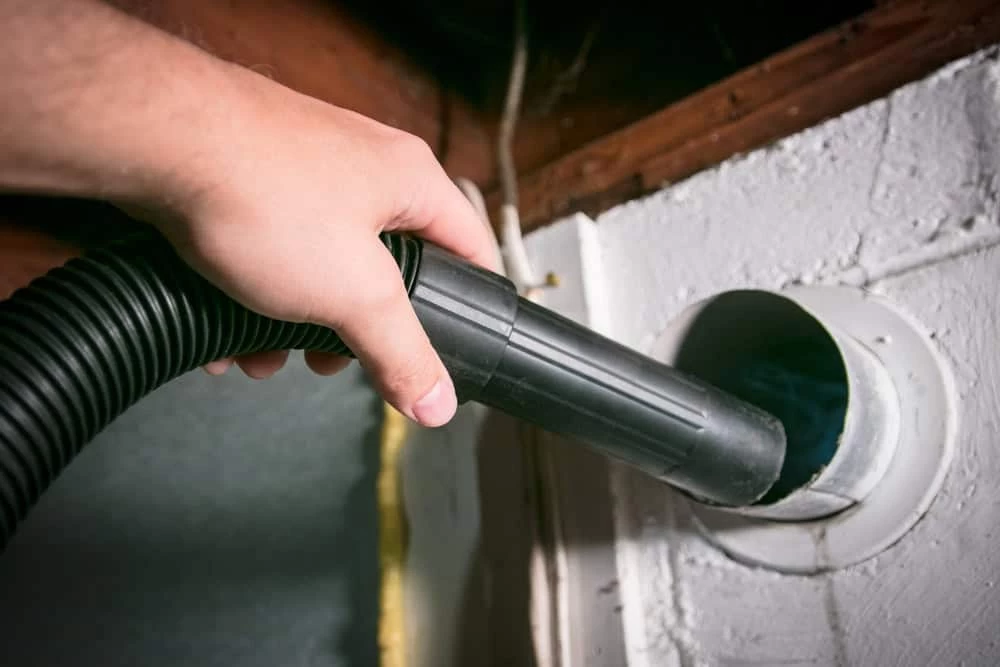
The only way to actually remove what’s already inside your ducts is to physically clean the system — using equipment that generates enough negative pressure to dislodge and extract embedded particles from every accessible component.
What Reno's Wildfire History Means for Your HVAC System
Reno sits at the base of the Sierra Nevada at roughly 4,500 feet, surrounded by fire-prone terrain on multiple sides. That geography, combined with increasingly dry and hot summers, has made wildfire smoke a recurring reality for Washoe County residents — not a once-in-a-decade event.
The 2018 Perry Fire burned 51,000 acres and produced the worst air pollution levels ever recorded in the Reno-Sparks area, with spikes in particulate matter, carbon monoxide, formaldehyde, and nitrogen oxide. The 2021 Dixie and Caldor fires caused prolonged air quality degradation across Northern Nevada. In September 2024, the Davis Fire burned in southern Washoe County and pushed monitors in the area into the “Unhealthy” range — AQI readings between 151 and 200 — prompting advisories from Northern Nevada Public Health’s Air Quality Management Division. A separate advisory was issued around the same time for the Bear Fire burning roughly 25 miles west of Reno.
Reno’s mountain-bowl geography makes these events hit harder than they might elsewhere. Temperature inversions — a known local phenomenon — trap smoke and other pollutants at ground level, extending the duration and intensity of air quality events beyond what you’d experience in a flat-terrain city. The American Lung Association’s 2024 annual report specifically named Reno among cities with worsening air quality, citing the cumulative impact of recent wildfire seasons.
Add the Washoe Zephyr to the equation — the strong seasonal winds that drive fine desert dust into homes during spring and early summer — and you have a region where HVAC systems are under consistent pressure from airborne contaminants, not just during fire season. For Reno homeowners, the question isn’t really whether your ducts need cleaning. It’s how often, and how urgently.
What Professional Air Duct Cleaning After Wildfire Smoke Actually Involves
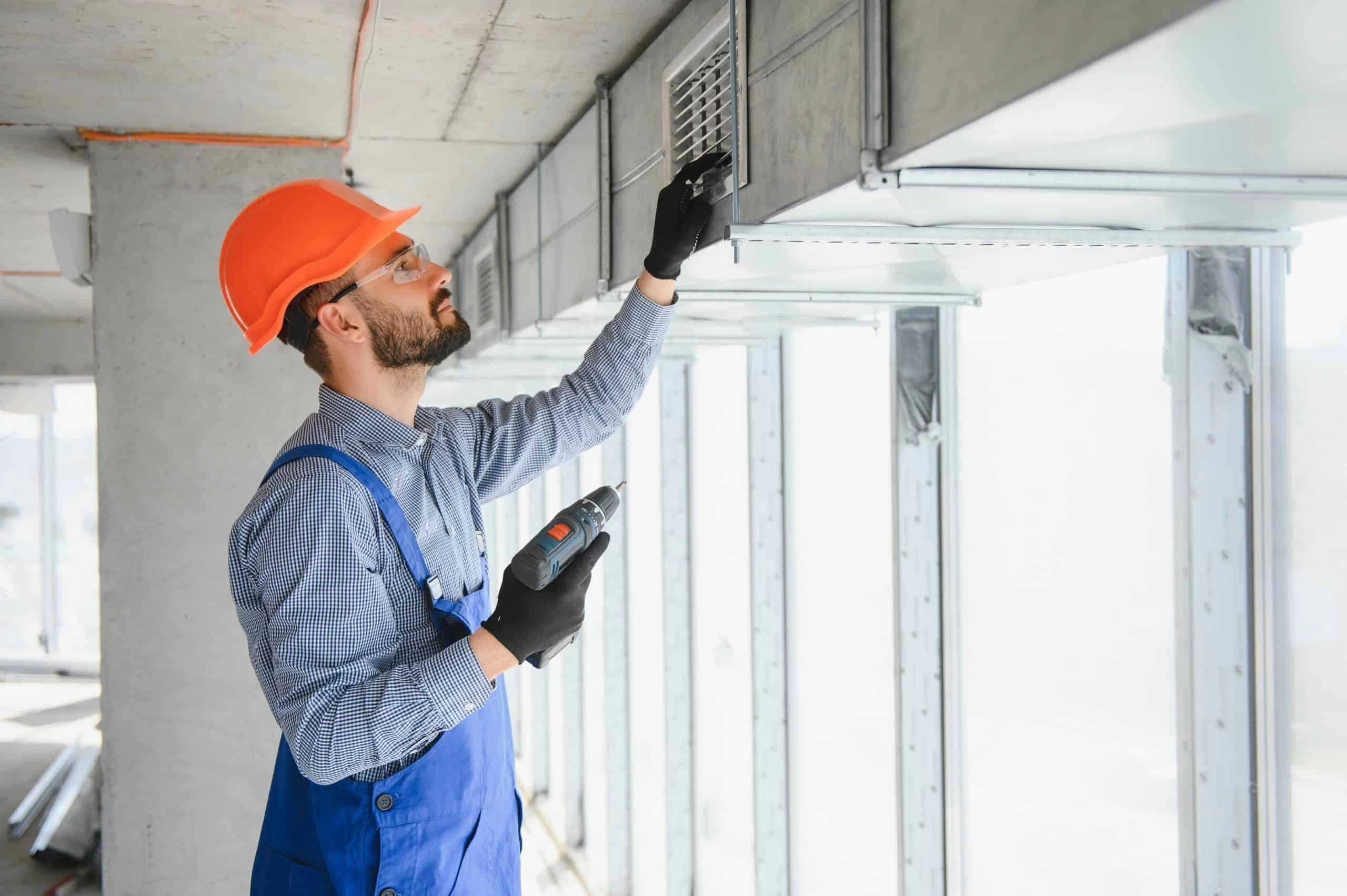
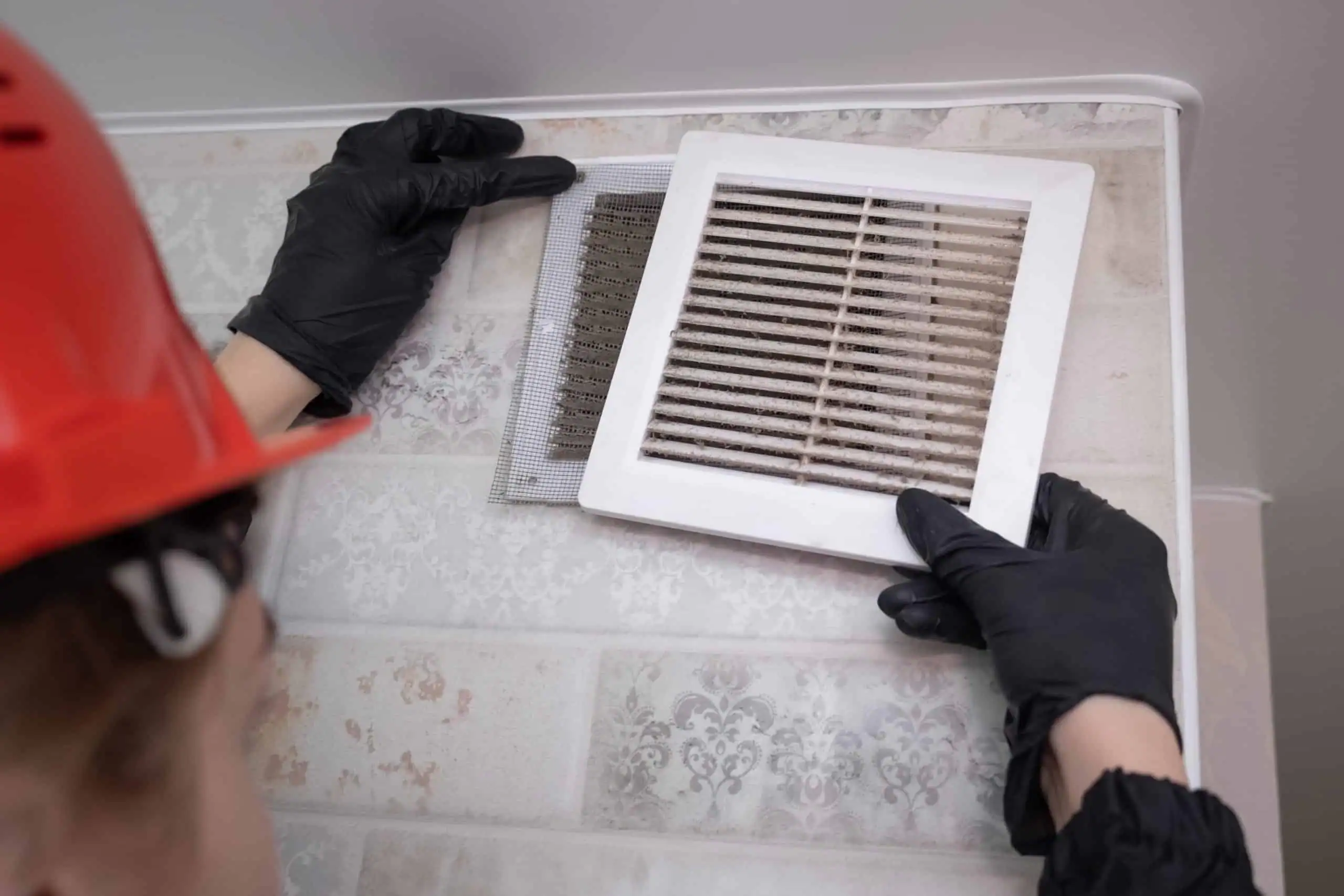
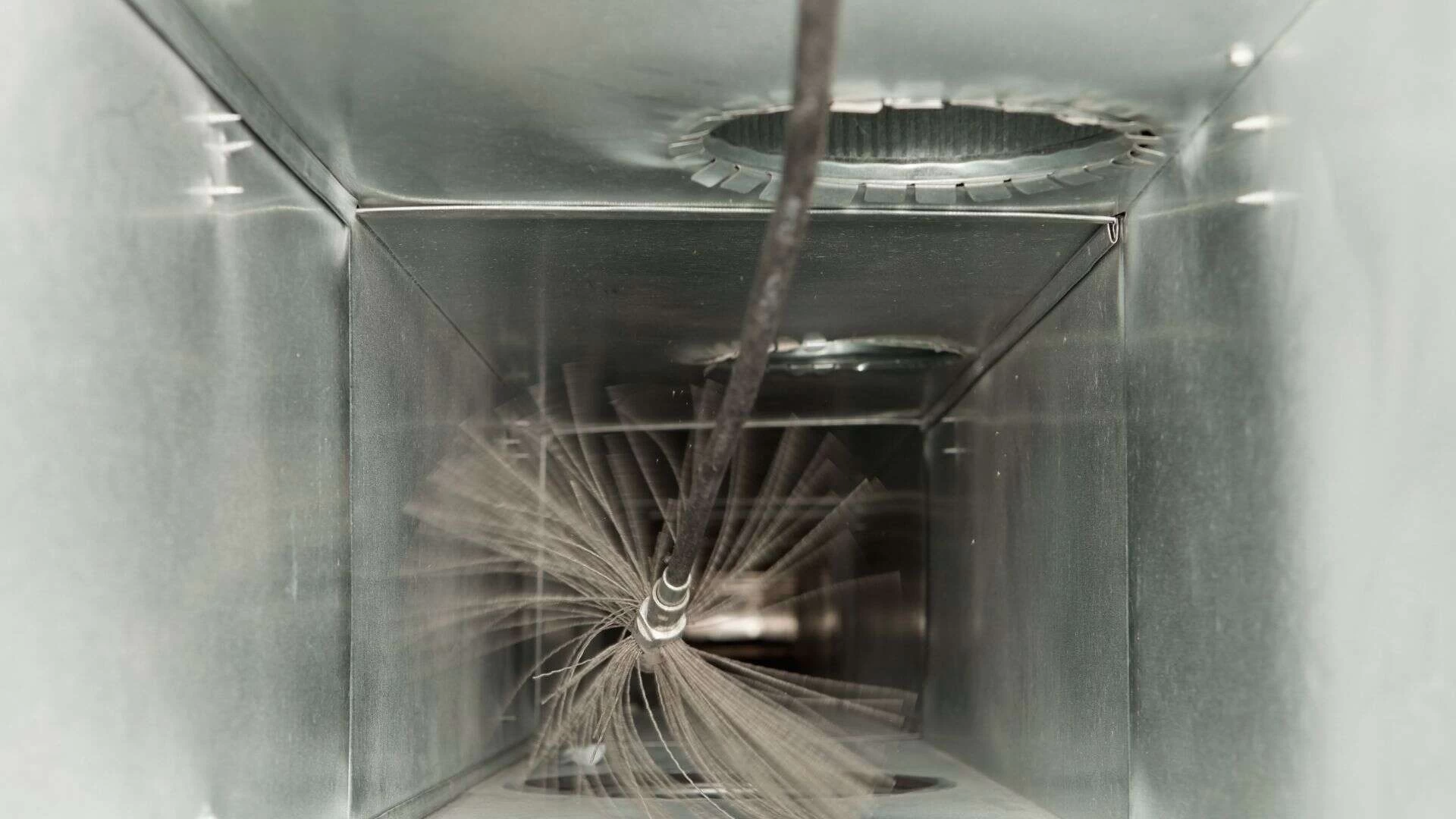
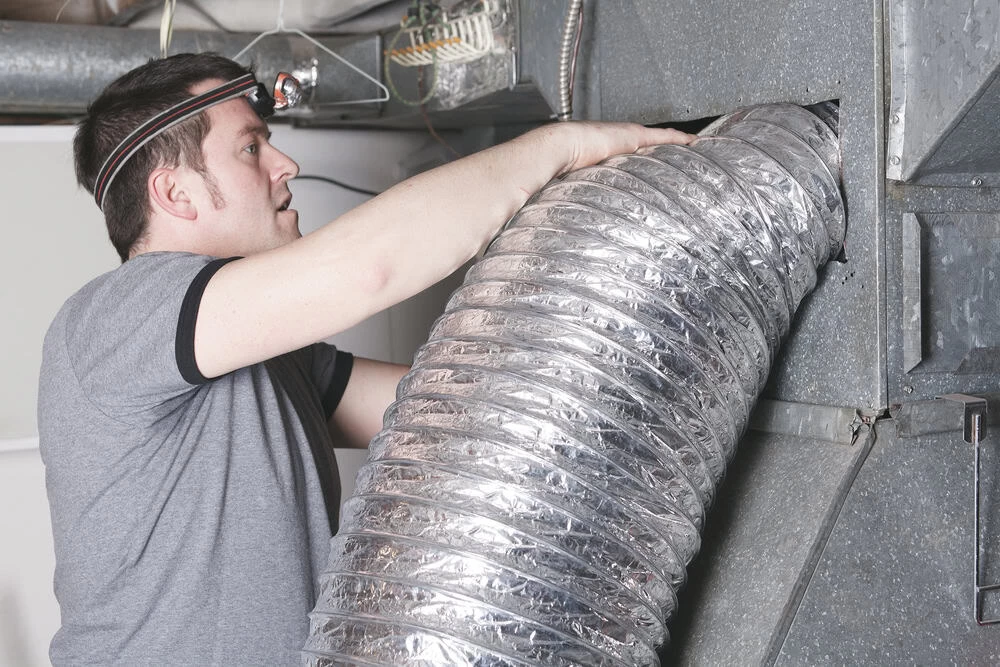
Professional air duct cleaning isn’t a technician vacuuming near your vents for an hour. A proper job covers the entire HVAC system — supply ducts, return ducts, registers, grilles, the air handler, the plenum, the coils, and the blower motor housing. Every vent cover comes off, gets cleaned, and goes back on. The process uses HEPA-grade equipment running under continuous negative pressure, which means disturbed particles get captured rather than redistributed into your living space.
When the job is done, you should be able to see what was removed. We walk every customer through what we found and what we cleaned — not because it’s a nice touch, but because you deserve to know the condition of your own home’s air system.
How Long Does Wildfire Smoke Stay in Air Ducts If You Don't Clean Them?
The honest answer is: longer than most people expect. PM2.5 particles and VOCs don’t simply dissipate on their own once they’ve settled into your ductwork. They bond to surfaces — the metal walls of your ducts, the insulation lining, the components of your air handler — and they stay there until something physically removes them.
Every time your HVAC system cycles on, it picks up a portion of those particles and sends them back into your living space. The concentration decreases over time as the system runs, but it doesn’t reach zero. For households with children, elderly residents, or anyone with asthma or other respiratory conditions, that ongoing low-level exposure matters. Symptoms that seem like seasonal allergies or a persistent cold — congestion, irritated eyes, a scratchy throat — can sometimes be traced back to contaminated ductwork.
From a mechanical standpoint, the longer smoke residue stays in your system, the more it can affect performance. Soot and ash accumulation on coils restricts airflow and forces your system to work harder. According to the U.S. Department of Energy, the average duct system loses up to 40 percent of airflow due to contamination — and that translates directly into higher energy bills and accelerated wear on components. A strained blower motor or restricted evaporator coil doesn’t fail all at once; it just runs less efficiently and wears out faster than it should.
The NADCA — the National Air Duct Cleaners Association, which sets the professional standard for this industry — recommends cleaning every three to five years under normal conditions. After a significant smoke event, that timeline doesn’t apply. Your system needs attention regardless of when it was last serviced.
Frequently Asked Questions About Air Duct Cleaning in Reno, NV
**How do I know if my air ducts actually have smoke damage?**
The most obvious sign is a persistent smoky or stale odor that doesn’t go away even after you’ve aired out the house and cleaned surfaces. Beyond that, watch for worsening respiratory symptoms in household members — especially anyone with asthma or allergies — increased dust accumulation on furniture and surfaces, or visible discoloration around your supply vents. In Reno, if your home ran its HVAC system during the 2024 Davis Fire, the 2021 Caldor or Dixie fires, or the 2018 Perry Fire, there’s a real chance some of that smoke made it into your ducts, even if the symptoms are subtle.
**My HVAC seems to be running fine. Does it still need cleaning?**
Yes, and this is worth taking seriously. A system can run and still be circulating contaminated air. The fan and motor don’t know the difference between clean air and smoke-laden air — they just move whatever is in the ducts. “Running fine” means the mechanical components are functioning, not that the air coming out of your vents is clean. Reno’s high-desert climate means homes run heating systems through long winters with windows sealed tight, so contaminated ducts keep recirculating whatever entered during wildfire season for months afterward.
**Is the $99 air duct cleaning offer I keep seeing legitimate?**
Almost never. It’s a common bait-and-switch tactic in this industry — a low teaser price that balloons to three or four times the original quote once the technician is in your home. They may claim to find mold, charge per vent, or add fees for services that should have been included. We’ve heard these stories from Reno homeowners regularly. Our pricing is straightforward and given upfront — no surprises, no pressure once we’re in the door.
**How long does a professional air duct cleaning take?**
For most homes, the job takes between two and four hours depending on the size of the home and the condition of the system. We clean the entire HVAC system — not just the visible ducts — and we don’t leave until the job is done and you’ve had a chance to see the results.
When to Schedule Air Duct Cleaning After Wildfire Smoke in Reno
The short answer is: as soon as you can after a significant smoke event. Not because we’re trying to create urgency where there isn’t any, but because the longer contaminated particles stay in your system, the more deeply they bond to duct surfaces and the more your HVAC redistributes them through your home. Waiting doesn’t make the problem go away — it just extends how long your household is breathing the aftermath of it.
If your home ran its HVAC during or after a wildfire smoke event in the Reno area, or if you’ve noticed a persistent odor, increased dust, or unexplained respiratory symptoms since fire season, it’s worth having the system looked at. You don’t need to guess at what’s in there.
We serve the Reno, NV area with transparent pricing, NADCA-certified technicians, and owner-direct involvement on every job. If you’re ready to find out what’s actually in your ducts — and get it out — reach out and we’ll take it from there.