Summary:
If you live in Reno, NV, you already know what wildfire season looks like — orange skies, air quality alerts from Northern Nevada Public Health, and the instinct to close every window and crank the AC. The problem is, closing your windows doesn’t keep the smoke out of your home. And running your HVAC during a smoke event? That’s how fine particles, soot, and corrosive residue end up coating the inside of your ductwork. Most homeowners don’t find out until the smoke clears outside — but the smell inside never quite goes away. Here’s what’s actually happening, and what you can do about it.
What Wildfire Smoke Actually Does to Your HVAC System
Most people assume their HVAC filter handles smoke the same way it handles regular household dust. It doesn’t. Wildfire smoke carries ultra-fine PM2.5 particles — small enough to pass right through a standard filter and settle on the interior surfaces of your ductwork, your air handler, your blower motor, and your coils. According to research from the Desert Research Institute right here in Reno, wildfire smoke accounted for 56% to 65% of all PM2.5 concentrations in the Reno area during fire season. That’s not background noise — that’s the dominant air quality story for this region every summer and fall.
What makes wildfire smoke especially damaging to an HVAC system isn’t just the volume of particles. It’s the chemistry. Smoke contains organic acids that are corrosive to metal components. Over time, those acids degrade the metal surfaces inside your ductwork and air handler — surfaces you can’t see and can’t easily inspect without professional equipment. The damage is slow, invisible, and cumulative.
Why the Smoke Smell Comes Back Every Time Your HVAC Turns On
After a major smoke event — like the Bear Fire in September 2024, which burned just 25 miles west of Reno near Loyalton, or the Davis Fire that same month in southern Washoe County — a lot of Reno homeowners notice something frustrating. The air outside clears up. But inside the house, every time the heat or AC kicks on, there’s that smell again. Faint, maybe. But it’s there.
That’s not your imagination. When smoke particles enter your ductwork, they don’t just float around and eventually dissipate. They deposit onto surfaces. Smoke residue contains partially burned organic compounds that form a thin, adhesive film on the interior walls of your ducts. Once that film is there, it holds onto additional particulate matter and releases odor every time conditioned air moves across it. Changing your air filter won’t touch it. Running the system more won’t clear it out. The residue is on the duct surfaces themselves, not in the airstream.
The blower motor is another part of the system that takes a hit most people don’t think about. The blower is what moves air through every room in your home. During a smoke event, soot and fine particles accumulate on the blower wheel and housing. A contaminated blower doesn’t just smell — it runs less efficiently, puts more strain on the motor, and distributes whatever it’s carrying into every room it serves. Professional HVAC duct cleaning that includes the blower motor is the only way to actually address this, and it’s a step that a lot of cheap, fast-in-and-out cleaning services skip entirely.
It’s also worth understanding that your home isn’t as sealed as you might think during a smoke event. Research has shown that even with windows closed and the HVAC running, ultra-fine PM2.5 particles still infiltrate residential buildings. The system itself becomes a collection point. And if you were running your HVAC during the worst air quality days — which most people do, because it’s hot and the windows are shut — then your ducts absorbed a significant amount of that smoke load.
How Smoke Damage Builds Up Over Multiple Fire Seasons in Reno
Reno doesn’t just have one bad wildfire year and move on. The American Lung Association put Reno on its worst air quality list in 2024, and the director of air quality for Northern Nevada Public Health attributed it directly to wildfires — describing them as “some of the worst wildfires ever recorded.” That’s after years that already included the 2018 Perry Fire, which caused the worst air pollution levels ever recorded in the Reno-Sparks area at the time, and the smoke from the 2020 and 2021 fire seasons that blanketed the region repeatedly.
What that means practically is that many Reno homes have years of accumulated smoke residue layered inside their ductwork. Each fire season adds to what’s already there. A system that wasn’t cleaned after the 2020 fires, or the 2021 fires, or the 2023 fires, is carrying multiple seasons of contamination — and every time it runs, it’s recirculating that history through your living space.
This matters even more if anyone in your home has asthma, allergies, or any respiratory condition. The EPA ranks indoor air quality among the top five environmental health risks, and indoor air can be 2 to 5 times more polluted than outdoor air under normal conditions. In a home with years of wildfire residue in the ductwork, that number gets worse. Kids, elderly family members, and anyone with a compromised respiratory system feel the effects first — but the air quality problem affects everyone in the house.
The Washoe Zephyr winds that pick up in spring don’t help either. Those winds pull dust, pollen, and any remaining particulate from the previous fire season back into circulation. If your ducts are already carrying smoke residue, spring is when that contamination gets stirred up and spread around all over again. Regular HVAC inspection and cleaning — especially in a market like Reno — isn’t a luxury service. It’s basic maintenance for the environment your family breathes in every day.
What Professional HVAC Cleaning in Reno Actually Involves
There’s a lot of confusion about what air duct and HVAC cleaning actually means — partly because the industry has a real scam problem. You’ve probably seen the $79 or $99 whole-house specials advertised online. Those almost always end one of two ways: a technician who does the bare minimum and leaves, or a technician who uses the low price to get in the door and then pushes expensive add-ons using scare tactics. Neither one solves your problem.
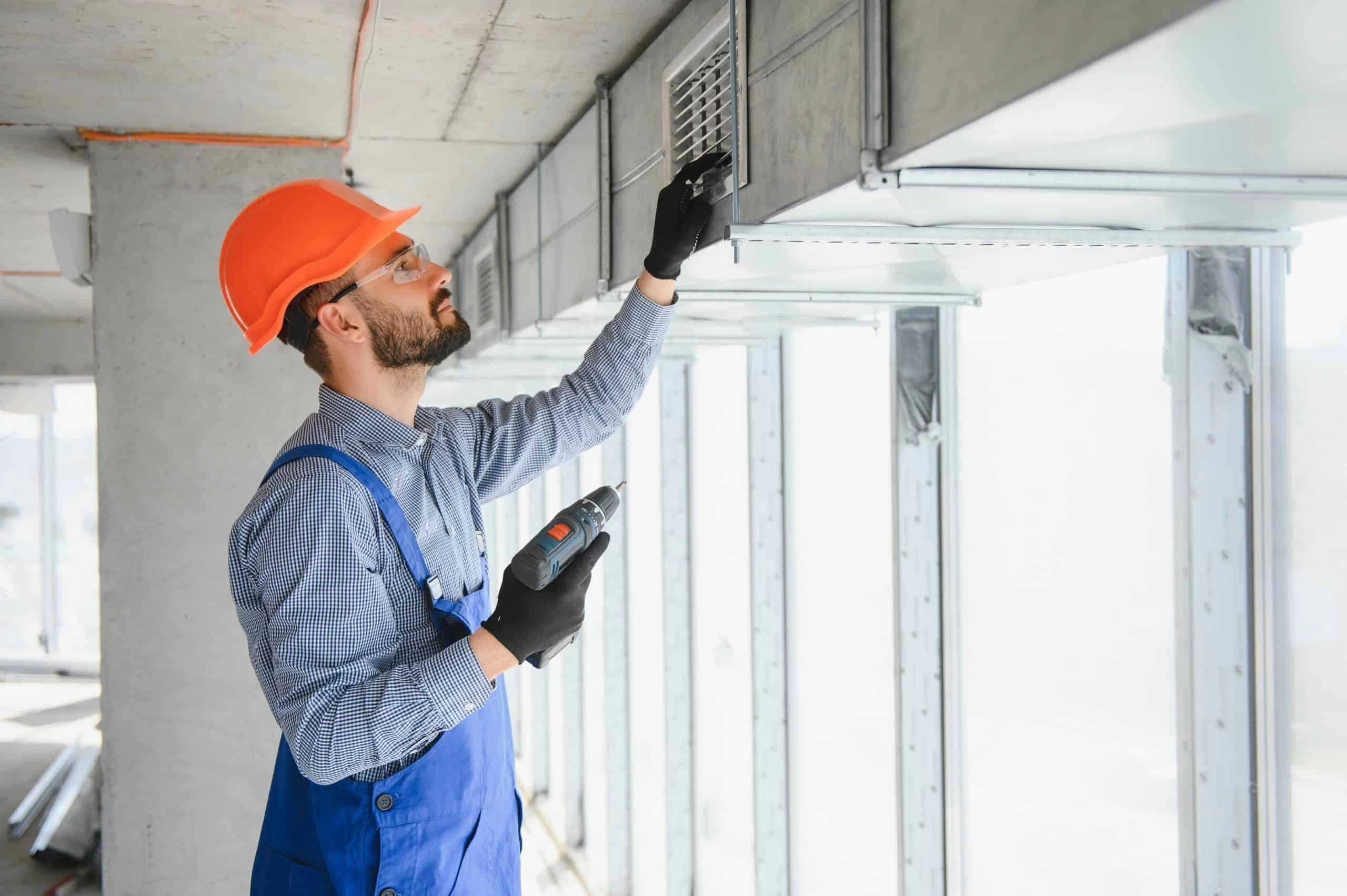
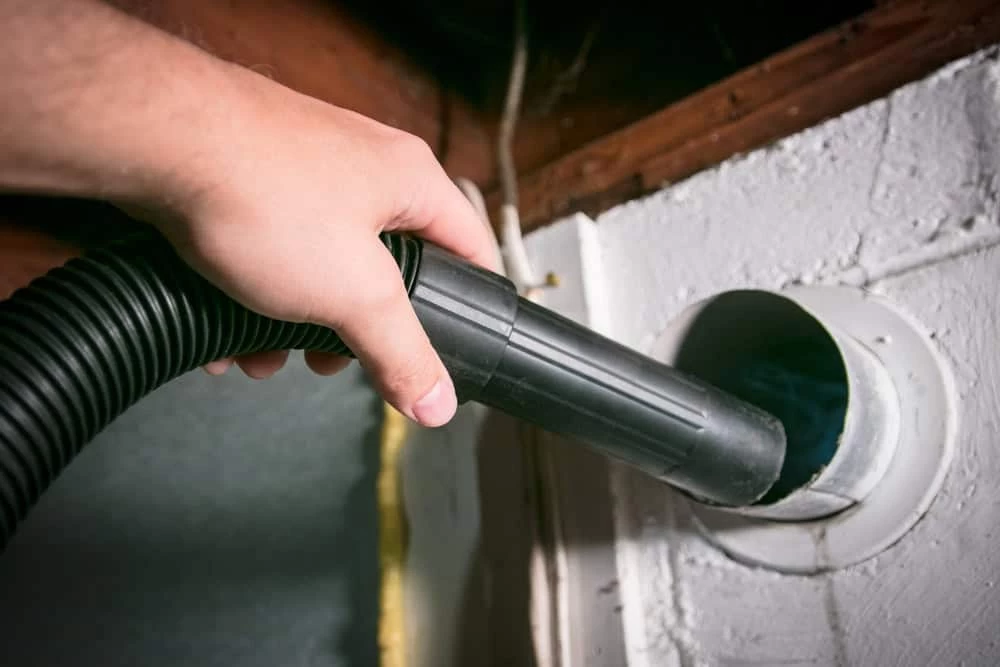
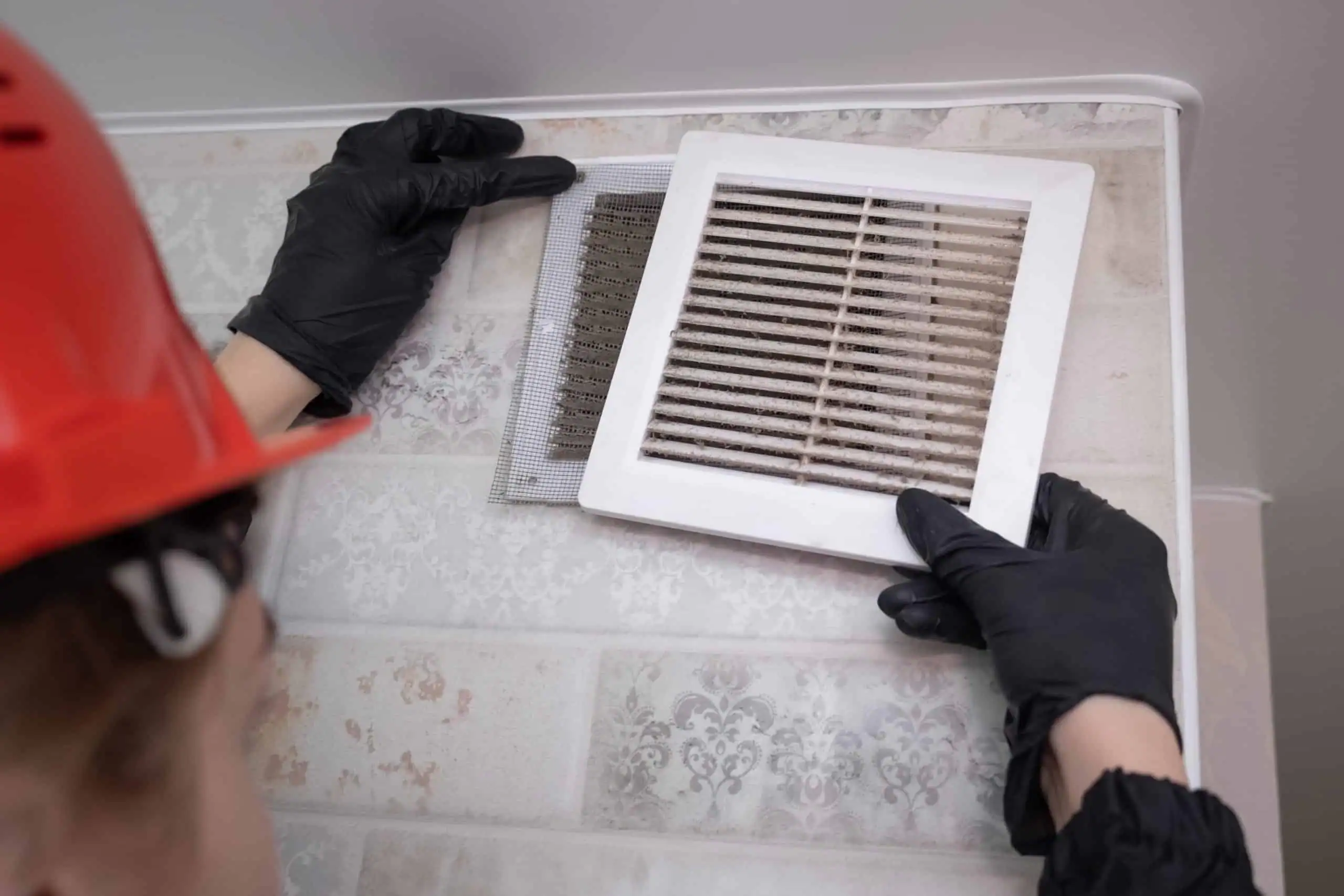
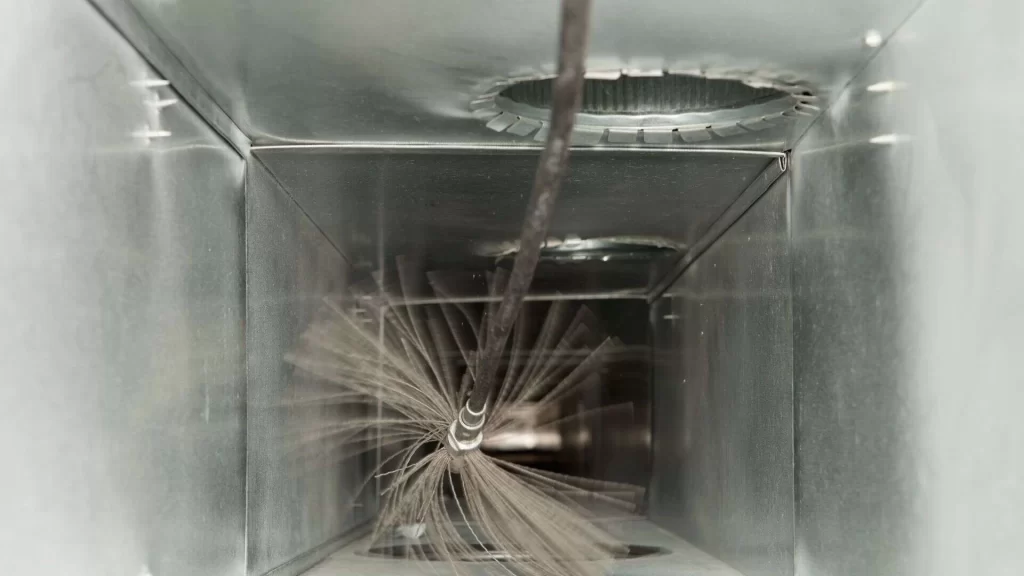
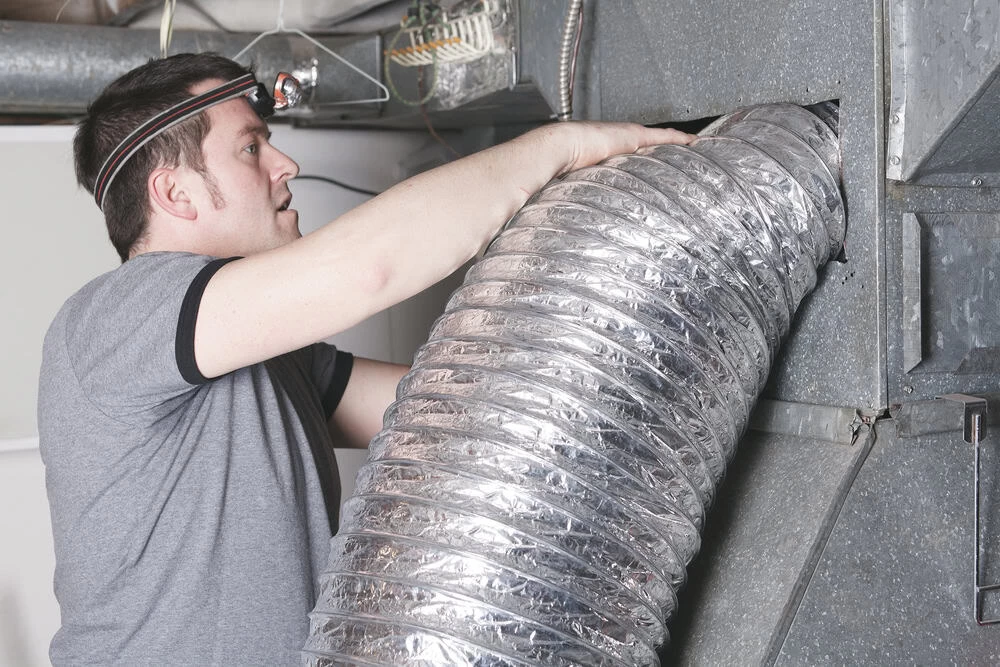
A legitimate HVAC cleaning job takes 2 to 4 hours for a typical home. It covers the full system — supply and return ducts, air handler, plenum, blower motor, coils, drain pan, and all vent covers, which are removed, cleaned, and reinstalled. The system is placed under continuous negative pressure using a powerful vacuum so that contaminants are captured rather than redistributed into your home. Anything shorter than that, or any company that can’t explain their process clearly, is a red flag worth taking seriously.
How to Know If Your Reno Home's Ducts Actually Need Cleaning
NADCA — the industry’s leading professional organization — recommends professional HVAC cleaning every 3 to 5 years under normal conditions. In Reno, “normal conditions” don’t really apply. Between the annual wildfire smoke, the Washoe Zephyr winds, and the high-desert dust that accumulates at 4,500 feet elevation, Reno HVAC systems work harder and get dirtier faster than systems in most other parts of the country. If you have pets, allergy sufferers, or anyone with a respiratory condition in your home, the cleaning interval should be closer to the shorter end of that range.
There are some practical signs to watch for. If you notice a smoke or musty odor when your HVAC system turns on — especially after a wildfire event — that’s a direct indicator that residue has built up on duct surfaces. If your energy bills have been creeping up without a clear explanation, dirty ducts and a contaminated blower motor could be the cause, since the system has to work harder to push air through restricted passages. If you moved into a Reno home and have no idea when the ducts were last cleaned, that’s reason enough to schedule an inspection. A lot of Reno’s newer residents — particularly those who relocated from California in recent years — moved into existing homes with no knowledge of the HVAC history.
Visible dust buildup around vent covers is another tell. So is uneven airflow between rooms, or a system that seems to run constantly without reaching the set temperature. None of these symptoms are definitive on their own, but together they paint a picture. The honest answer is that most homes in Reno that haven’t had a professional HVAC cleaning in the last few years — and especially any home that ran its system during the 2024 Bear Fire or Davis Fire smoke events — are overdue.
One thing worth clarifying: changing your air filter regularly is good practice, but it’s not a substitute for duct cleaning. Filters catch particles already in the airstream. They don’t clean the duct surfaces, the air handler, the blower motor, or the coils. Those components accumulate contamination regardless of how diligently you replace your filter, and they require hands-on professional cleaning to address properly.
Why the Company You Hire for HVAC Cleaning in Reno Matters More Than You'd Think
The air duct cleaning industry is largely unregulated in most states, which means almost anyone can advertise the service without holding a license or carrying insurance. That’s the environment that produces the $99 scam specials — and it’s why doing a little homework before hiring someone matters.
When you’re evaluating a company, a few things are worth asking about directly. Are they licensed and insured? Can they explain their cleaning process step by step — what equipment they use, what parts of the system they cover, and how long the job will take? Do they provide any before-and-after documentation? A reputable company should be able to answer all of those questions without hesitation. A company that gets vague or pivots to pressure tactics when you ask is telling you something important.
Certifications from NADCA — the National Air Duct Cleaners Association — are a meaningful signal. NADCA’s Air Systems Cleaning Specialist (ASCS) certification requires passing a formal exam and ongoing continuing education. It’s not a guarantee of quality, but it does mean the technician has been trained to a recognized industry standard. It’s a reasonable baseline to look for.
At Home Safe Air Duct & Dryer Vent Cleaning, we keep things straightforward. Our owner, Jorge Mendoza, is directly involved in operations — you’re dealing with the person whose name is on the business, not a rotating crew dispatched from a call center. Every job we do covers the full system: all duct surfaces, the air handler, the blower motor, coils, and every vent cover, removed and reinstalled. We put the system under negative pressure so contaminants are captured, not just stirred up. When the job is done, we walk you through what we found and what we removed. No hidden fees, no surprise upsells, no pressure. Just the work, done right.
We’ve been doing this for over a decade, and we’ve seen what the $99 specials leave behind. If you’ve already been through one of those experiences, you know what we’re talking about. If you haven’t, we’d rather you never have to find out.
Ready to Clear the Air in Your Reno Home? Here's Your Next Step.
Reno’s wildfire seasons aren’t getting shorter, and the smoke that rolls in off the Sierra Nevada every summer and fall doesn’t stay outside. If your HVAC system has been running through smoke events — especially recent ones like the Bear Fire and Davis Fire in 2024 — there’s a real chance your ductwork is carrying residue that no filter change is going to fix.
The good news is that this is a solvable problem. A thorough, professional HVAC cleaning removes what’s accumulated, restores proper airflow, and means your system is circulating clean air instead of recycling last season’s smoke. It’s not a complicated decision once you understand what’s actually inside the ducts.
If you’re in the Reno, NV area and want to know where things stand, reach out to us at Home Safe Air Duct & Dryer Vent Cleaning. We’ll give you a straight answer about what your system needs — and if it needs cleaning, we’ll do it right.