
Summary:
Sacramento has two seasons now. There’s the season everyone knows — the brutal stretch of 100-degree days from June through September — and then there’s the one nobody asked for: smoke season. The sky turns orange, the AQI spikes, and most of us close the windows and crank the AC, not realizing we may have just pulled wildfire smoke directly into our ductwork.
Changing your filter afterward is a start. But it’s not the whole picture. This checklist covers what actually needs attention after a smoke event — your air ducts, your dryer vent, and your HVAC system — and why skipping any one of them can mean breathing in residue for months.
What Wildfire Smoke Actually Does to Your Sacramento Home's Air Ducts
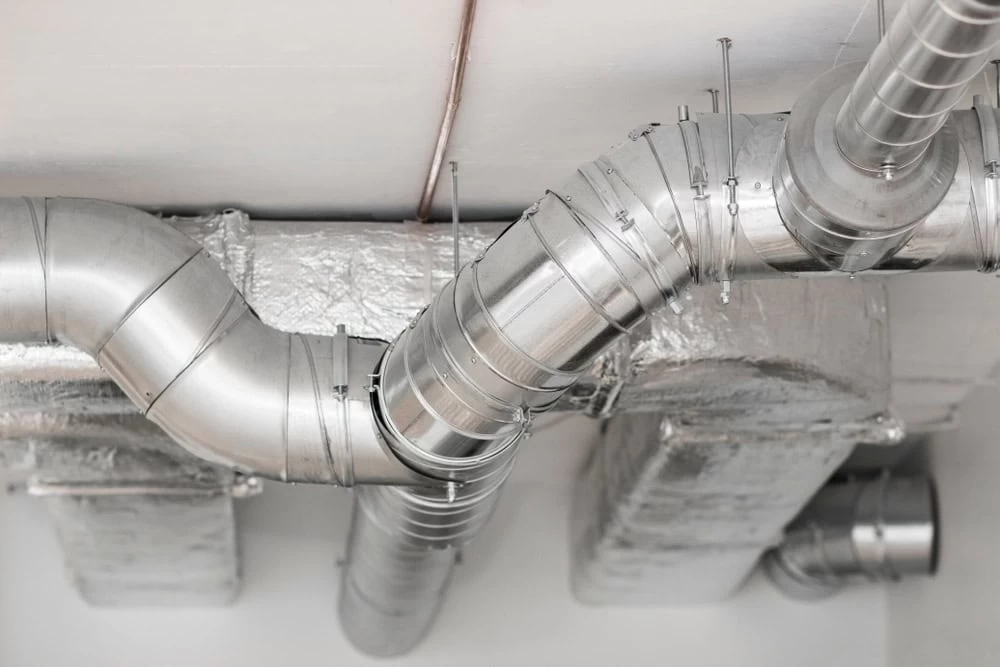
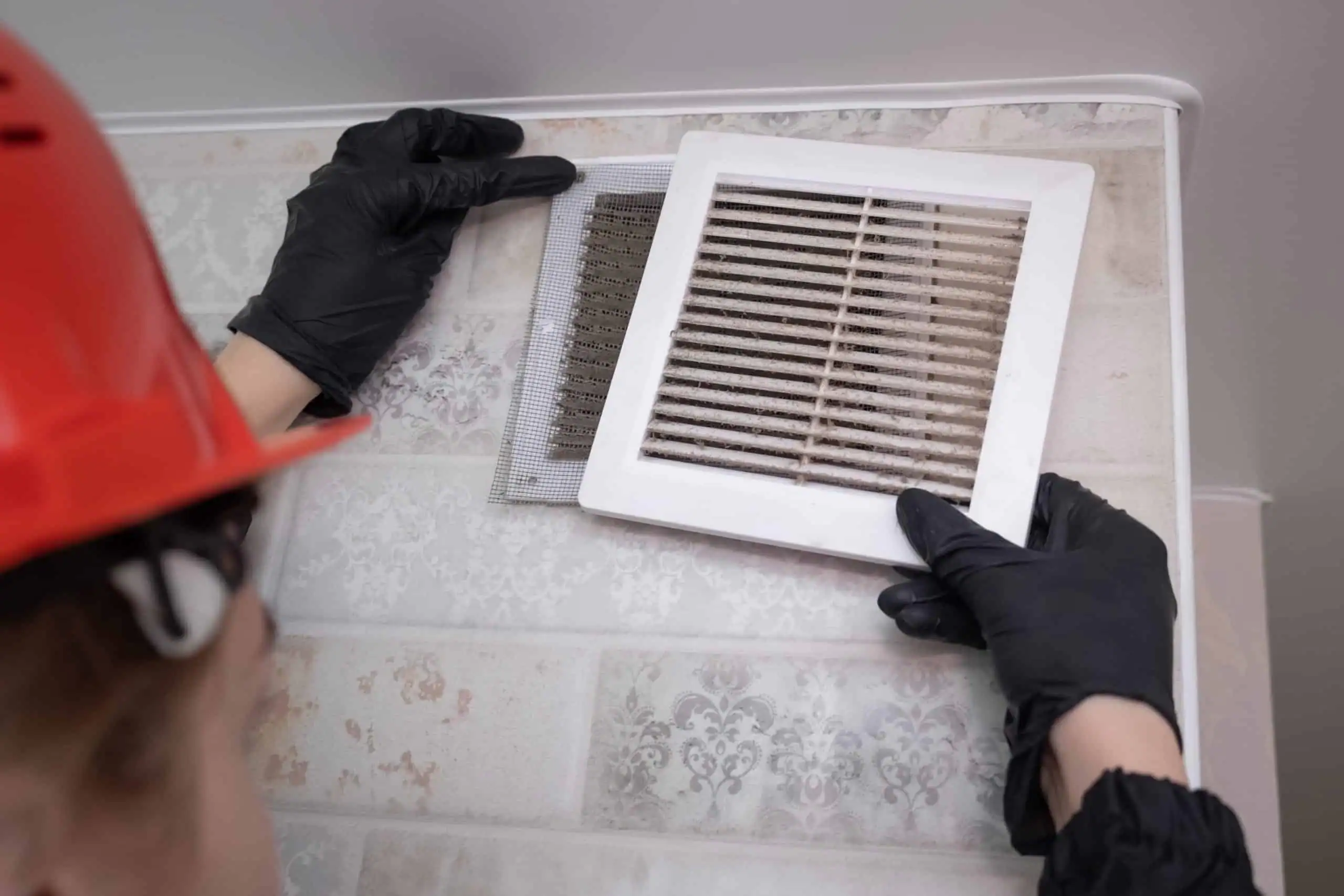
When smoke is heavy outside and your HVAC system is running, fine particles — PM2.5, the kind that’s invisible and travels deep into your lungs — get pulled through your system’s fresh air intake and deposited on the inside surfaces of your ductwork. Your filter catches some of it. The rest settles on duct walls, inside the air handler, on the coils, and around every register in your home.
The problem isn’t just what happened during the fire. It’s what happens every time you run your heat or AC afterward. Those deposited particles get disturbed and re-released into your living space, over and over, until someone actually removes them. Changing the filter doesn’t reach them. Opening windows doesn’t flush them out. The only way to stop the cycle is to clean the source.
How to Tell If Your Ducts Were Affected by Smoke — Dirty Air Duct Symptoms to Watch For

The most obvious sign is a smoky smell that lingers indoors long after the outdoor air has cleared. If you’re still catching a faint burnt or ashy odor when your system kicks on — even a week or two after a fire event — that smell is coming from somewhere inside your ductwork or HVAC system. It doesn’t go away on its own.
Beyond the smell, there are other dirty air duct symptoms worth paying attention to. If you’ve noticed more dust settling on surfaces than usual, or if anyone in your household has had a flare-up of allergies, congestion, or respiratory irritation that started around the time of a smoke event, that’s a signal worth taking seriously. Sacramento’s Central Valley geography doesn’t help — the valley basin traps smoke and particulates the way a bowl holds water, and the air quality here during fire season is consistently among the worst in the state according to the American Lung Association.
Another thing people often miss: if you moved into your home within the last few years and have no record of when the ducts were last cleaned, there’s a good chance they haven’t been — not properly, anyway. Homes in older Sacramento neighborhoods like Land Park, Oak Park, East Sacramento, and North Sacramento often have ductwork that’s been accumulating debris for decades. Add a few smoke seasons on top of that, and you’re not just dealing with a little dust.
The EPA updated its indoor air quality guidance in 2025 to explicitly recognize source control — removing contaminants from the source, including air ducts — as a best practice. That’s a meaningful shift from the agency’s older position, and it aligns with what the NADCA (National Air Duct Cleaners Association) has maintained for years: when ducts are clogged with excessive debris or particles are visibly releasing from supply registers, professional air duct cleaning isn’t optional.
What a Professional Air Duct Cleaning Actually Covers (And What a Cheap One Skips)
This is where a lot of homeowners get burned — not by the smoke, but by the cleaning company they hire afterward. The $99 air duct cleaning advertised on flyers and search ads is almost always a bait-and-switch. A technician shows up, cleans the vents you can see, and then starts adding charges: extra vents, sanitizing treatments, mold remediation that may or may not be necessary. By the time they’re done, you’re looking at three or four times the original quote, and your ducts may not be meaningfully cleaner.
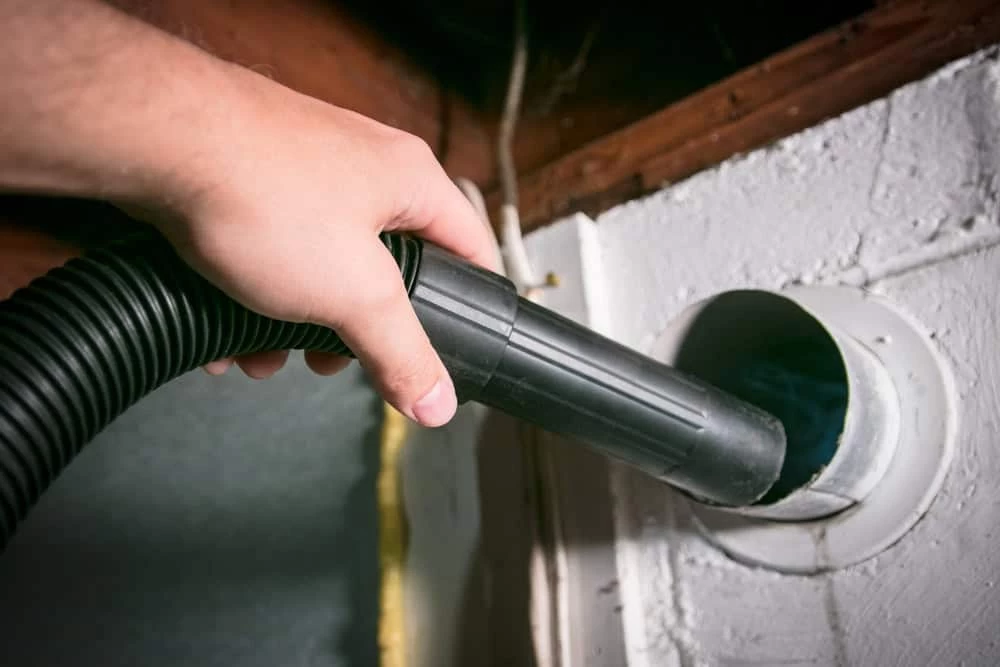
When we perform a whole house air duct cleaning, we follow the NADCA standard. That means every supply and return duct, the air handler unit, the cooling coils, the drain pans, the registers, and the grilles — not just the accessible portions. We use high-powered vacuum equipment to create negative pressure inside the system, pulling debris out rather than pushing it further in. Every vent cover comes off, gets cleaned, and goes back on. The job takes two to four hours for most Sacramento homes. At the end, we walk you through what was removed and how your system is performing.
The average cost for professional air duct cleaning in Sacramento runs between $401 and $432, based on data from over 660 completed local projects. That’s a fair price for a full-system cleaning done right. If someone is quoting you significantly less, it’s worth asking exactly what’s included — because in this industry, the gap between what’s advertised and what’s delivered can be significant.
What you’re paying for, when you hire us, is the equipment, the process, the technician’s time and training, and the peace of mind that comes from actually knowing the job was done. Not just the visible parts. All of it.
Dryer Vent Cleaning After Wildfire Season — The Step Most Sacramento Homeowners Skip
Air ducts get most of the attention during wildfire recovery conversations, but your dryer vent deserves a spot on this checklist too — and not just because of smoke. Dryer vent fires are responsible for thousands of home fires every year across the country, and failure to clean is the leading cause. The NFPA estimates that lint buildup accounts for roughly a third of all dryer fire incidents. January is the peak month, when dryers run constantly through the colder, foggier stretch of Sacramento’s winter.
If your clothes have been taking two or three cycles to dry, if the laundry room feels unusually hot when the dryer is running, or if you’ve noticed a burning smell during a cycle — those are warning signs that shouldn’t wait.
What Happens Inside a Clogged Dryer Vent — And Why the Lint Trap Isn't Enough
A lot of homeowners assume that cleaning the lint trap after every load is sufficient. It’s not. The lint trap captures a portion of what comes off your clothes during drying — but the rest travels through the exhaust duct that runs from your dryer to the exterior of your home. Over time, that lint accumulates inside the duct, along the walls, around any bends or kinks in the line, and sometimes at the exterior vent cap itself.
The result is a duct that’s partially or fully blocked, forcing your dryer to work harder to push hot, moist air out of the home. That heat has nowhere to go. It builds up inside the drum and the duct. And lint, sitting directly in the path of that heat, is highly flammable. This isn’t a theoretical risk — it’s the documented cause of thousands of house fires every year.
What we do during a professional dryer vent cleaning is address the full exhaust path, not just the accessible section near the dryer. Our technicians run the duct from the machine to the exterior cap, remove compacted lint, check for kinks or damage in the line — which are common in homes where flexible duct was used instead of rigid — and verify that the exterior cap is opening and closing properly. In some Sacramento homes, particularly in Rancho Murieta, Natomas, and newer suburban developments in Elk Grove, longer vent runs are common, which means more opportunity for lint to accumulate and more reason to have the system professionally checked.
One thing we find regularly: homeowners who’ve never had their dryer vent cleaned are often surprised by how much comes out. Packed lint, condensation buildup from years of use, and in some cases, pest nesting material that’s found its way in through an exterior cap that wasn’t sealing properly. None of that is visible from the outside. It’s only apparent once someone actually cleans the full run.

How Often Should Sacramento Homeowners Clean Their Dryer Vents and Air Ducts?
We recommend having your dryer vent professionally cleaned once a year. For air ducts, most homes benefit from a full cleaning every three to five years — though Sacramento’s specific conditions can push that timeline forward. If you’re running your AC from June through September every year, living in a neighborhood that sees heavy smoke exposure during fire season, or if you have pets, young children, or family members with allergies or asthma, cleaning more frequently makes practical sense.
Sacramento’s climate creates above-average wear on HVAC systems compared to milder markets. The extended cooling season means your system is processing enormous volumes of air for months at a stretch. Agricultural dust from the surrounding valley, intense spring pollen from grasses and oak trees, and the recurring wildfire smoke that settles into the basin every fall all add up. Homes in older Sacramento neighborhoods — Curtis Park, Midtown, the Pocket, East Sac — often have duct systems that were installed decades ago and may have never been professionally cleaned. That’s a different situation than a newer build in Elk Grove or Folsom, and the cleaning timeline should reflect it.
One question we hear often: “Is air duct cleaning even worth it? I’ve heard it’s a scam.” That skepticism comes from the EPA’s older guidance, which for years suggested there was limited evidence that cleaning improved health outcomes. The EPA updated that position in 2025, now explicitly acknowledging source control — removing contaminants at the source — as a legitimate indoor air quality strategy. The science caught up. And for Sacramento homeowners dealing with smoke season year after year, that update matters.
The short answer: if you’ve had a significant smoke event, if you’re noticing symptoms, if your home is older, or if you simply don’t know when the ducts were last cleaned — it’s worth having someone take a look. A real inspection, with a real quote, from a company that will tell you honestly whether cleaning is necessary.
Finding a Trustworthy Air Duct Cleaning Company in Sacramento, CA
The biggest challenge in this industry isn’t finding a company — it’s finding one you can trust to do the job right and charge you a fair price for it. The bait-and-switch model is common enough that it’s worth being cautious. Look for a company that gives you a clear, final quote before anyone sets foot in your home, uses proper vacuum equipment, cleans the full system rather than just the visible portions, and takes the time to walk you through what they found.
We’ve been serving Sacramento homeowners for over a decade. Our founder, Jorge Mendoza, started this company because a close friend lost his home to a dryer vent fire — which means fire prevention isn’t a tagline here, it’s the reason we exist. If you’re coming out of smoke season and wondering what’s sitting in your ducts, or if your dryer has been giving you signs it’s time for a cleaning, we’re here for a straightforward inspection and an honest quote.