Summary:
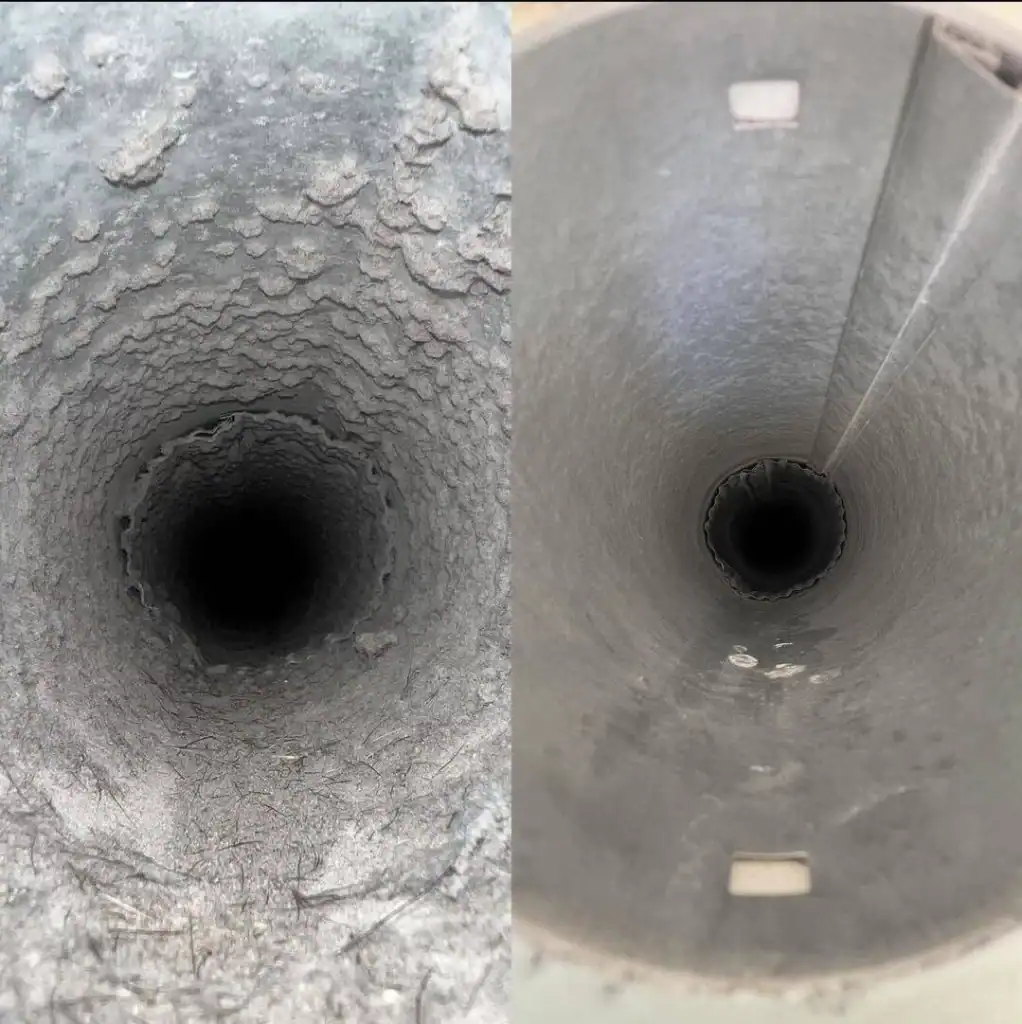
Most people clean the lint trap and call it done. It makes sense — you can see the lint, you remove it, problem solved. Except the lint trap only catches about 90 to 95 percent of what your dryer produces. The rest moves into the vent and slowly builds up inside the duct walls, out of sight, over months and years.
That buildup is what starts fires. And in Sacramento, where summers regularly push past 100 degrees and wildfire season already has people on edge, a clogged dryer vent isn’t a minor inconvenience. It’s a genuine hazard sitting inside your walls.
Here’s what you actually need to know about how often to clean it, what the warning signs look like, and what separates a real cleaning from a wasted service call.
How Often Should You Clean Your Dryer Vent in Sacramento?
The National Fire Protection Association recommends at least once a year for most households. That’s the baseline — and for plenty of Sacramento families, it’s the right answer.
But “most households” covers a wide range. If you’re running more than ten loads a week, have pets, or your dryer sits in an interior hallway or upstairs closet rather than against an exterior wall, you’re likely looking at every six months. The longer and more complex your vent run, the faster lint accumulates and the higher the risk.
The honest answer is that frequency depends on your home and your habits — not a one-size-fits-all calendar.
Why Sacramento Homes Can Face Higher Dryer Vent Risk Than You'd Expect
Sacramento’s housing stock is more varied than most people realize, and that variety matters when it comes to dryer vent risk.
Older homes in neighborhoods like Land Park, Curtis Park, and East Sacramento were built when laundry rooms sat close to exterior walls and vent runs were short and direct. That’s actually the safer configuration — less distance for lint to travel, fewer bends where it can collect. The bigger concern with these homes is often the duct material itself. Many still have flexible plastic or foil accordion hoses that were standard decades ago but are now considered a fire hazard. Rigid metal ductwork is what current safety standards call for, and a lot of Sacramento’s older housing stock hasn’t been updated.
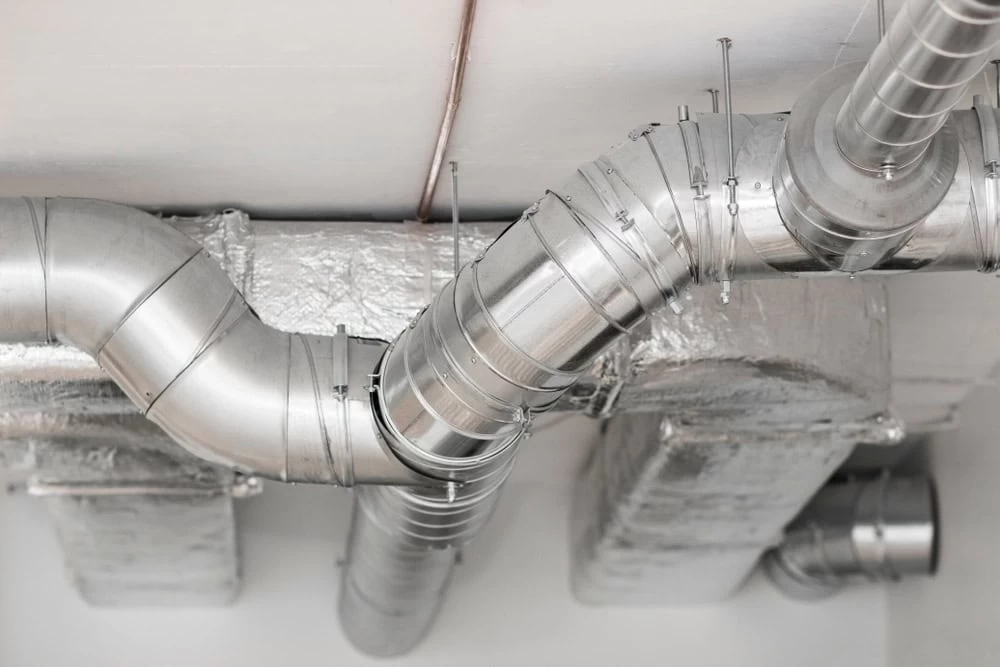
Newer developments tell a different story. In Natomas, Elk Grove, Rancho Cordova, and parts of Folsom, it’s common to find dryers tucked into interior closets, upstairs laundry rooms, or hallways positioned far from any exterior wall. That means longer vent runs — sometimes 15 to 25 feet — with multiple 90-degree turns before the duct ever reaches the outside. More distance and more bends mean more surface area for lint to stick, and more places a blockage can quietly develop without giving you any obvious warning.
Then there’s the climate. Sacramento summers regularly push past 100 degrees Fahrenheit. Lint that’s been drying out in extreme heat becomes more combustible than lint in a cooler, more humid environment. Add in the fact that wildfire season already has most Sacramento residents thinking about fire risk from July through October — and the dryer vent sitting inside your wall deserves the same attention as anything else on your safety checklist.
Your home in Sacramento has specific characteristics that affect how quickly your vent accumulates lint and how serious the consequences can be if it’s left unchecked.
Warning Signs Your Dryer Vent Needs Cleaning Now — Not Next Year
The tricky thing about dryer vent fires is that they usually don’t announce themselves. The buildup happens gradually, the risk grows slowly, and by the time something goes wrong, it’s happening inside a wall you can’t see into.
That said, there are signs your dryer will give you before things get dangerous — if you know what to look for.
The most common one is clothes taking longer to dry than they used to. If a single cycle used to do the job and now you’re running it twice, that’s not your dryer getting old. That’s restricted airflow. Your dryer is working harder because the heat and moisture it’s supposed to push outside can’t escape efficiently. Your energy bill goes up, your appliance wears out faster, and the lint inside the duct keeps accumulating with every load.
A burning smell when the dryer runs is a more urgent sign. That’s lint getting hot enough to produce an odor — and it means you shouldn’t wait to schedule a cleaning. Similarly, if your laundry room feels unusually warm while the dryer is running, or if the dryer itself is hot to the touch on the outside, those are signs the system isn’t venting properly.
Some people notice the exterior vent flap isn’t opening during a cycle, which means air isn’t moving through at all. Others find their dryer shutting off mid-cycle — a built-in safety response to overheating that the machine triggers when airflow is blocked.
And then there’s the situation a lot of Sacramento homeowners don’t think about until after the fact: carbon monoxide. A severely clogged vent doesn’t just trap lint — it can force gases that should be exhausted outside back into your home. For gas dryer owners especially, that’s a risk worth taking seriously.
If any of these sound familiar, the vent doesn’t need to be on next month’s list. It needs attention now.
What Professional Dryer Vent Cleaning Actually Involves
There’s a version of dryer vent cleaning that involves someone showing up, running a brush through the accessible section of your duct, and calling it done. That’s not what a real cleaning looks like — and it’s not what you’re paying for when you hire someone who actually knows what they’re doing.
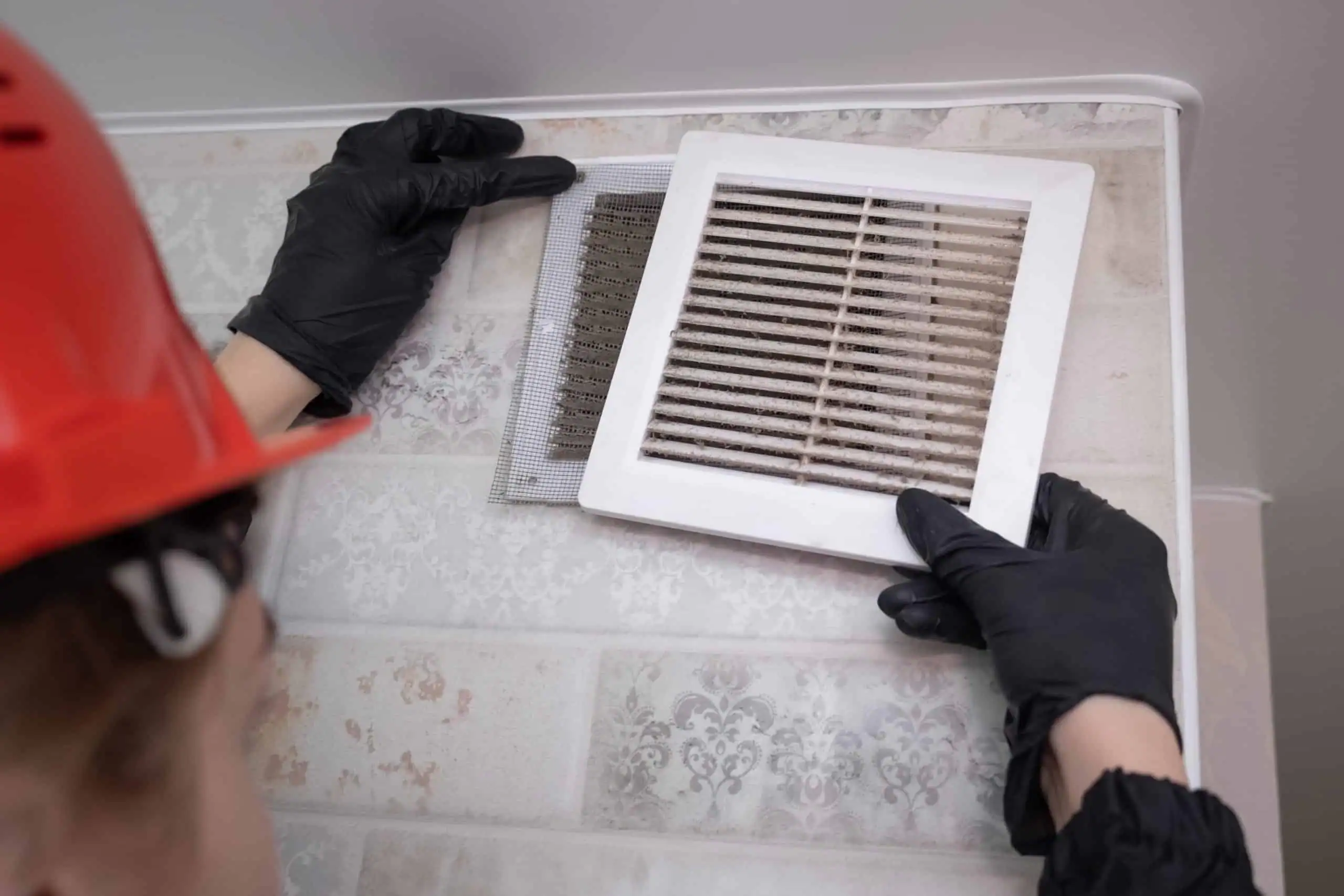
A proper service starts with a full inspection before anything else. Not a glance, but a real assessment of the entire vent system — the duct material, the connections, the length of the run, and the condition of the exterior termination. That inspection tells you what you’re actually dealing with before any cleaning begins.
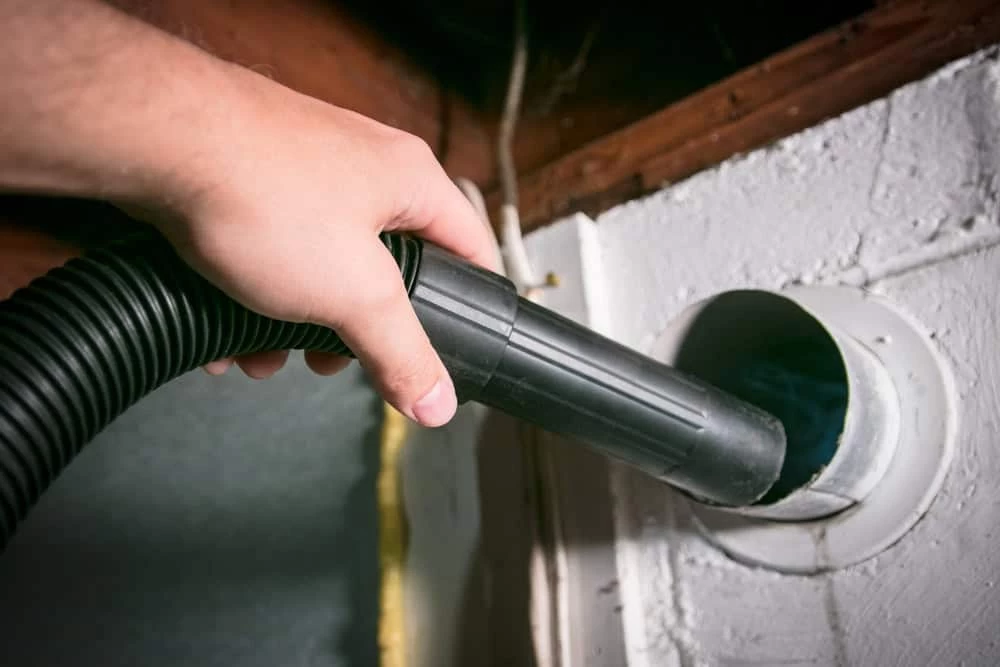
From there, the cleaning uses high-powered vacuum equipment and specialized rotary brushes to clear the full length of the vent, working from both the interior and the exterior. Airflow gets tested before and after so there’s a measurable result — not just a technician’s word that it went well.
Can You Clean a Dryer Vent Yourself — and Should You?
The short answer is: for a simple, short vent run, a DIY brush kit can help with basic maintenance. For most Sacramento homes, it won’t get the job done.
Those $30 kits from the hardware store are designed for straightforward configurations — a dryer sitting against an exterior wall with a short, direct path to the outside. If that describes your setup, running a brush through it once in a while isn’t a bad idea between professional cleanings. But it’s not a substitute for the real thing.
Here’s the problem with relying on a DIY kit for anything more complex: the brush can only go as far as you can guide it. In a vent run with multiple bends, it’s easy to miss blockages that have formed around corners or deeper in the duct. Worse, it’s possible to dislodge a connection inside the wall without knowing it — and a disconnected duct means lint and moisture are venting directly into your wall cavity instead of outside. That’s a mold and fire risk that’s harder to detect and more expensive to fix than a clogged vent ever was.
DIY kits also can’t test airflow. They can’t tell you whether the exterior vent cap is functioning properly, whether your duct material meets current safety standards, or whether there’s a bird nest blocking the termination — which is more common in Sacramento than most homeowners expect, especially in spring.
For homes in Natomas, Elk Grove, Rancho Cordova, or anywhere else in the Sacramento area where the laundry room sits away from an exterior wall, professional dryer vent cleaning with proper equipment isn’t a luxury. It’s the only way to actually know the job was done.
The average cost runs around $140. That’s a fraction of what a new dryer costs, and nowhere near what a dryer fire costs. The math isn’t complicated.

How to Find a Dryer Vent Cleaning Company in Sacramento You Can Actually Trust
This is where a lot of Sacramento homeowners get burned — not literally, but financially. The dryer vent cleaning industry has a well-documented problem with bait-and-switch pricing. A company advertises $99 for a cleaning, shows up at your door, and by the time they leave, the bill is $300 or $400. It happens often enough that it’s worth addressing directly before you pick up the phone.
The warning signs are usually the same: an unusually low advertised price, pressure to add services once the technician is inside, vague explanations of what was actually done, and no clear way to verify results. If a company can’t tell you the price upfront and stick to it, that’s your answer.
What a trustworthy local dryer vent cleaning company looks like is different. It starts with transparent pricing — a real quote before any work begins, with no surprises when the job is done. It means a technician who inspects before they clean, tests airflow after, and only charges for what your system actually needs. It means being able to reach someone who’s accountable, not a call center that routes you to whoever’s available.
Credentials matter too. The CSIA Certified Dryer Exhaust Technician (C-DET) is the only nationally recognized credential specifically for dryer vent cleaning. NADCA certification covers HVAC and air duct systems more broadly. These aren’t just letters — they represent training, testing, and ongoing education requirements that separate professionals from people with a vacuum and a brush.
BBB accreditation is another signal worth looking for. It doesn’t guarantee perfection, but it does mean the company has committed to meeting standards of accountability and has a track record of responding to customer concerns. Reviews on Yelp, Google, and especially Nextdoor carry real weight in Sacramento’s community-oriented neighborhoods — a recommendation from a neighbor in Rancho Murieta or Citrus Heights means something a paid ad never will.
We’ve been doing this work in Sacramento for over a decade. Jorge Mendoza, our owner, is directly involved in every job — not a franchise dispatcher, not a rotating crew. When you call us, you’re talking to the people who will actually show up. Our pricing is upfront, our inspections are thorough, and if your vent doesn’t need cleaning, we’ll tell you that instead of charging you anyway.
Sacramento Dryer Vent Cleaning: What to Do Next
If you’ve made it this far, you probably already have a sense of where you stand. Maybe it’s been a few years since the vent was last cleaned — or maybe you’ve never had it done and you’re not sure what you’re working with. Either way, the risk isn’t abstract. Failure to clean the vent is the leading cause of dryer fires, and the cost of a professional dryer vent inspection and cleaning is a fraction of what a fire would cost.
For most Sacramento households, once a year is the right interval. If you have pets, a large family, or a home with a long interior vent run — which describes a significant portion of newer construction in this area — every six months is the smarter call.
If you’re noticing any of the warning signs covered here, don’t put it on next month’s list. When you’re ready to schedule a dryer vent inspection and cleaning with us, reach out to Home Safe Air Duct & Dryer Vent Cleaning. We serve Sacramento and the surrounding communities, and we’ll tell you exactly what your system needs — nothing more.