
Summary:
What Actually Happens When Air Ducts Get Dirty
Your HVAC system pulls air from your home, conditions it, and pushes it back through your ductwork into every room. Sounds simple enough. But along the way, that air carries microscopic particles with it. Dust from outside. Dead skin cells. Pet dander. Pollen that drifts in through open windows. All of it gets sucked into your system.
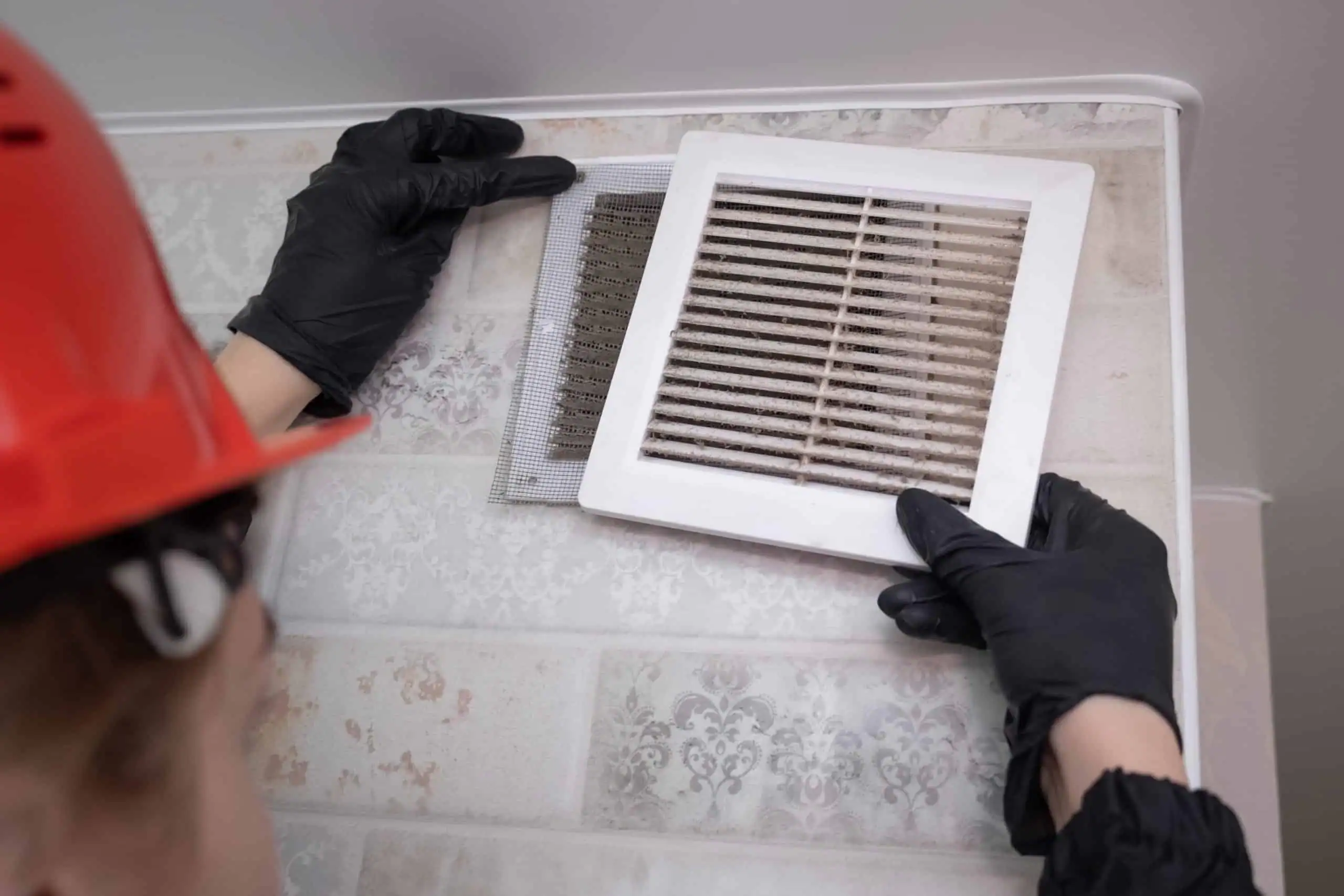
Over time, these particles don’t just pass through. They settle. They accumulate on duct surfaces, in corners, along seams. According to the National Air Duct Cleaners Association, the average home that hasn’t had duct cleaning in three or more years can hold up to 40 pounds of dust and debris in the ductwork alone.
That’s not just sitting there doing nothing. Every time your heating or cooling kicks on, air moves across those layers of buildup, picking up particles and distributing them throughout your home. You’re not just breathing conditioned air anymore. You’re breathing whatever’s been collecting in those ducts for months or years.
The Contaminants Hiding in Your Ductwork
So what exactly is lurking in there? It’s more than just dust. Reno’s high desert climate and seasonal challenges create a perfect storm of indoor air pollutants that end up in your ducts.
Dust and dirt are the obvious ones. But in Reno, that dust isn’t just household debris. It’s fine desert particles that blow in during windy days. It’s residue from wildfire smoke that seeps into homes during fire season. According to local air quality specialists, wildfire smoke and seasonal dust storms contribute significantly to what ends up circulating through Northern Nevada HVAC systems.
Then there’s biological growth. Mold and mildew thrive in the dark, sometimes damp environment of ductwork. The CDC reports that 50% of all HVAC systems show evidence of moisture buildup, creating ideal conditions for mold spores to develop and spread. Once mold takes hold, it releases spores into your air supply every time the system runs.
Pet owners face an additional challenge. If you have dogs or cats, their fur and dander don’t just settle on your couch. It gets pulled into return vents and circulates through your entire duct system. Studies show that 85% of homes have detectable levels of pet dander in their ductwork, and it builds up faster than most people realize.
Pollen is another major contributor, especially during Reno’s spring and summer months when oak, birch, cedar, and various grasses release pollen into the air. Even with windows closed, pollen finds its way inside on clothing, through door openings, and via small gaps in your home’s envelope. Once inside, your HVAC system captures and recirculates it.
Dust mites add another layer to the problem. These microscopic creatures feed on dead skin cells and thrive in dust accumulation. While research shows dust mites primarily live in bedding and upholstered furniture rather than ducts themselves, their waste products and body fragments end up in household dust that gets pulled into your ventilation system. The American Lung Association identifies dust mites as one of the major indoor triggers for people with asthma.
Bacteria and viruses can also circulate through contaminated ductwork. When someone in your home is sick, those pathogens can enter your HVAC system and potentially spread to other rooms, increasing the likelihood of illness for other family members.
If you’ve had any recent renovations or construction work, you’re likely dealing with drywall dust, sawdust, and other fine debris that settled into your ducts during the project. This construction dust is particularly problematic because it’s so fine it stays airborne longer and penetrates deeper into your duct system.
How Dirty Ducts Impact Your Indoor Air Quality
The Environmental Protection Agency has found that indoor air can be two to five times more polluted than outdoor air. In some cases, indoor air quality is worse than what you’d breathe standing next to a busy street. Your ductwork plays a significant role in that statistic.
Think about it this way. Your HVAC system is essentially the lungs of your home. It breathes in air, processes it, and breathes it back out. When your ducts are contaminated, every breath your home takes is pulling in pollutants, and every exhale is pushing those pollutants into your living spaces.
This creates a continuous cycle of contamination. You might clean your home thoroughly, but if your ducts are dirty, you’re just fighting a losing battle. The dust you wipe off your coffee table today will be back tomorrow because your HVAC system is depositing it there every time it runs.
For Reno homeowners specifically, this problem intensifies during certain times of year. Winter brings temperature inversions that trap pollutants in the valley, meaning outdoor air quality declines and you rely more heavily on recirculated indoor air. During wildfire season, smoke particles that infiltrate your home get trapped in ductwork and continue circulating long after the fires are contained and outdoor air clears.
The impact on your home’s air quality isn’t just about visible dust. It’s about the microscopic particles you can’t see. Fine particulate matter, mold spores, allergens, and chemical compounds from household products all contribute to poor indoor air quality. These pollutants can remain airborne for hours, giving you and your family continuous exposure.
When your ductwork is clean, your HVAC system can do its job properly. Air flows freely, filters work more effectively, and contaminants have fewer places to hide and accumulate. When ducts are dirty, you’re compromising the entire system’s ability to maintain healthy indoor air.
Research from the University of California found that homes with unclean air ducts had 30% higher concentrations of volatile organic compounds compared to homes with cleaned ducts. These VOCs come from everyday household items like cleaning products, paints, and building materials, but they get trapped and concentrated in dirty ductwork.
The bottom line is this: your indoor air quality is only as good as the cleanliness of the system that’s circulating it. If you’re spending time and money on air purifiers, better filters, and other air quality solutions but ignoring your ductwork, you’re missing the source of the problem.
Health Effects of Poor Indoor Air Quality from Dirty Ducts
Poor indoor air quality doesn’t just make your home feel stuffy. It has real, measurable effects on your health and your family’s wellbeing. The American College of Allergy, Asthma, and Immunology reports that 50% of all illnesses are either caused or aggravated by polluted indoor air.
For families with children, elderly relatives, or anyone with existing respiratory conditions, the stakes are even higher. These vulnerable populations are particularly susceptible to the effects of airborne contaminants. Kids’ developing respiratory systems are more sensitive to pollutants. Elderly family members may have weakened immune systems or pre-existing conditions that worsen with poor air quality.
The symptoms aren’t always dramatic or immediate. Often, they’re subtle enough that you might not connect them to your home’s air quality. But they’re persistent, and they add up over time.
Respiratory Issues and Allergy Symptoms
If you or your family members experience more sneezing, congestion, or respiratory discomfort at home than elsewhere, your ductwork might be the culprit. Contaminated air ducts continuously circulate allergens that trigger these reactions.
Common symptoms include persistent sneezing, runny or stuffy nose, itchy or watery eyes, coughing, and throat irritation. You might notice these symptoms worsen when your heating or air conditioning first kicks on, or they might be worse in the morning after a night of breathing recirculated air.
For allergy sufferers, dirty ducts can make symptoms feel like they never end. Pollen season comes and goes, but if pollen is trapped in your ductwork, you’re getting exposed to it year-round. Pet dander circulates constantly if you have animals. Dust that triggers your allergies gets redistributed daily.
Studies have shown that professional air duct cleaning can reduce allergy symptoms by up to 40%. That’s significant relief for people who’ve been dealing with constant discomfort. The reduction comes from removing the source of allergens rather than just treating symptoms.
Asthma sufferers face particular challenges with contaminated ductwork. The American Lung Association identifies dust mites as one of the major indoor triggers for people with asthma, and ongoing exposure can lead to more frequent and severe asthma attacks. Mold spores, another common duct contaminant, can trigger bronchial spasms leading to wheezing and shortness of breath.
Research indicates that dust mites may be a factor in 50 to 80 percent of asthma cases. For children, exposure to dust mite allergens in the first crucial year of life can trigger lifelong allergies and asthma. If you have young children or family members with asthma, maintaining clean ductwork becomes even more critical.
Beyond allergies and asthma, respiratory irritation affects everyone differently. Some people experience chronic coughing that seems to have no clear cause. Others deal with chest tightness or difficulty taking deep breaths. These symptoms can be mild enough to dismiss but persistent enough to affect daily quality of life.
The connection between indoor air quality and respiratory health is well-established in medical research. When you reduce the contaminants in your air, you reduce the burden on your respiratory system. Your body doesn’t have to work as hard to filter out pollutants, and inflammation in airways decreases.

Other Health Impacts You Might Not Expect
Respiratory symptoms get most of the attention, but poor indoor air quality from dirty ducts affects more than just your lungs. The range of health impacts is broader than most people realize.
Headaches and fatigue are common complaints in homes with poor air quality. When your body is constantly fighting off irritants and contaminants, it takes a toll. Poor air quality affects oxygen flow and can leave you feeling sluggish, tired, or dealing with brain fog. Some people experience frequent headaches without understanding that their home’s air might be the trigger.
Skin irritation is another issue. Exposure to mold and mildew from unclean ducts can lead to rashes, hives, and allergic dermatitis. If you’ve noticed unexplained skin problems that seem to flare up at home, contaminated ductwork could be contributing.
Sleep quality often suffers when indoor air quality is poor. You spend six to eight hours breathing bedroom air while you sleep. If that air is contaminated with allergens and irritants, you’re not getting the restful, restorative sleep your body needs. Many people with dirty ductwork report waking up feeling congested, with dry throat, or feeling less rested than they should after a full night’s sleep.
The immune system takes a hit too. Constant exposure to pollutants, bacteria, and mold spores forces your immune system to stay on high alert. Over time, this can weaken your body’s ability to fight off other illnesses. Research has established correlations between poor indoor air quality caused by contaminated air ducts and symptoms like general malaise and weakened immune function.
For Reno families specifically, the combination of outdoor environmental stressors and indoor air quality issues creates a double burden. During wildfire season, you’re already dealing with smoke exposure when you go outside. If your home’s air is also contaminated, you have no clean air refuge. Winter inversions trap pollution in the valley, and if your indoor air is equally poor, there’s no escape from respiratory irritants.
Children’s health deserves special consideration. Kids breathe more rapidly than adults, meaning they inhale more air relative to their body size. They’re also more active and spend more time on floors where dust and allergens settle. If your home’s ductwork is distributing contaminants, your children are getting higher exposure levels than you might realize.
The long-term effects of chronic exposure to poor indoor air quality are still being studied, but research from the World Health Organization estimates that poor indoor air quality contributes to millions of premature deaths annually due to respiratory and cardiovascular diseases. While that represents extreme cases, it underscores how seriously indoor air quality affects human health.
Improving Your Home's Air Quality Starts with Clean Ducts
Your family’s health depends on the air you breathe every day. When that air is contaminated with dust, mold, allergens, and other pollutants circulating through dirty ductwork, you’re facing ongoing health risks that won’t resolve on their own.
The good news is that professional air duct cleaning addresses the source of the problem. Removing accumulated contaminants from your ductwork stops the cycle of recirculation and gives your HVAC system a fresh start. For Reno homeowners dealing with wildfire smoke residue, seasonal dust, and the unique challenges of Northern Nevada’s climate, regular duct cleaning becomes an important investment in indoor air quality.
Most homes benefit from professional cleaning every three to five years, but if you have pets, family members with allergies or asthma, or if you’ve recently dealt with wildfire smoke exposure, more frequent cleaning makes sense. The relief in symptoms and improvement in air quality are often noticeable immediately.
We bring over a decade of experience to Reno homes, using hospital-grade cleaning solutions and professional equipment designed to remove the contaminants affecting your indoor air. With transparent pricing and owner-involved service, you get thorough cleaning without surprises. Your family deserves to breathe clean air in your own home.