Summary:
You’ve noticed dust around your vents. Maybe your energy bills are creeping up, or someone in your house can’t stop sneezing indoors. You start researching solutions and immediately hit a wall of confusing terminology. HVAC duct cleaning. Air duct cleaning. Duct system cleaning. HVAC maintenance. Are these different services or just different names for the same thing?
The short answer: they’re different, and the distinction matters more than you’d think. One cleans your ductwork. The other cleans your entire system. Choosing the wrong one means you could pay for a service that doesn’t actually solve your problem. Let’s clear up exactly what each service covers and which one your Reno home actually needs.
What Does Air Duct Cleaning Actually Include?
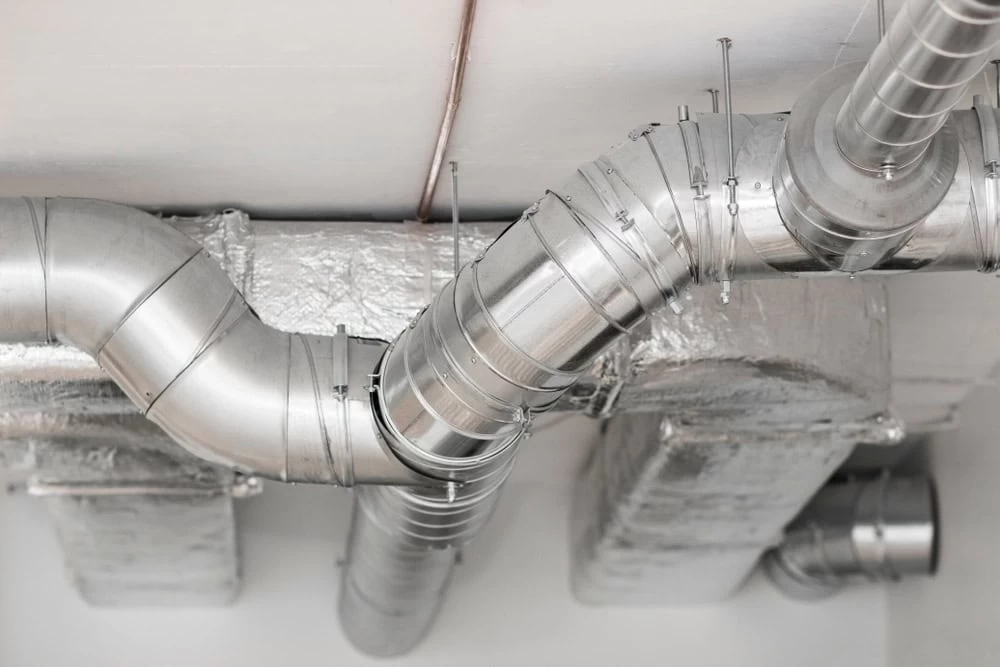
Air duct cleaning focuses specifically on the ductwork itself—the metal or flexible tubes that run through your walls, ceilings, and floors to move air around your home. When we say we’re cleaning your air ducts, we’re typically talking about cleaning the supply ducts that blow conditioned air into your rooms and the return ducts that pull air back to your system.
This includes removing dust, debris, pet dander, pollen, and other contaminants that accumulate inside the ducts over time. In Reno, that also means dealing with the fine dust from our dry climate and particulates from wildfire smoke that settle into ductwork and keep circulating long after the air outside clears.
The process usually involves using specialized vacuum equipment and agitation tools to dislodge buildup from duct interiors, then extracting it through negative air pressure systems. Most services will also clean the visible supply vents and return vents—the grilles you see on your walls, floors, or ceilings. It’s focused work, and when done properly, it addresses a specific part of your HVAC system.
How Air Duct Cleaning Works in Practice

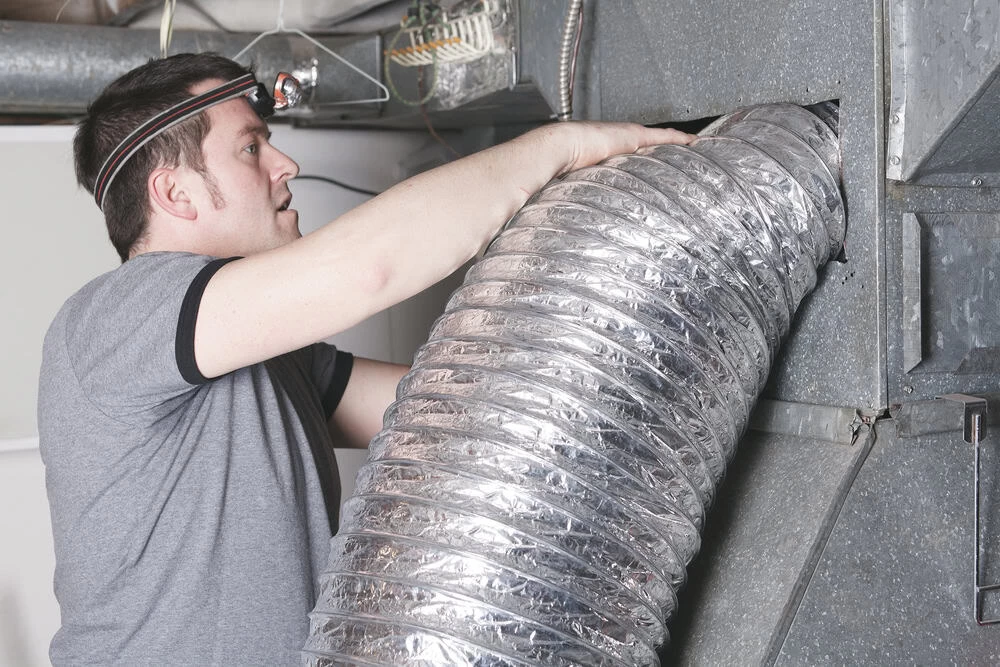
Professional air duct cleaning follows a specific process designed to remove contaminants without spreading them throughout your home. We start by inspecting your ductwork to assess contamination levels and identify any issues like leaks, disconnected sections, or damage that could affect the cleaning.
Once the inspection is complete, we seal off sections of your duct system and connect powerful vacuum equipment to create negative air pressure. This is crucial. Without negative pressure, dislodged dust and debris would blow into your living spaces instead of being captured and removed. The vacuum runs continuously throughout the cleaning process, pulling contaminants out of the system as they’re loosened.
To actually dislodge the buildup, we use various tools depending on your duct material and contamination level. Rotary brushes work for rigid metal ducts. Compressed air whips reach into corners and bends. Some systems require manual scrubbing for stubborn deposits. The goal is to render the ducts “visibly clean”—the industry standard that means no visible dust or debris remains when you look inside with a flashlight or inspection camera.
After cleaning the ductwork, we remove, wash, and reinstall all your vent covers. Some services include sanitizing treatments if there’s been mold, smoke damage, or pet odors, though this should only happen after mechanical cleaning is complete. The entire process for an average-sized home typically takes three to five hours, depending on system size and how dirty the ducts are.
What air duct cleaning doesn’t typically include: your furnace components, air handler, evaporator coils, condensate drain pans, or blower motor. Those components are part of your HVAC system but aren’t considered “ductwork.” This is where the distinction between air duct cleaning and HVAC duct cleaning becomes important.
When Air Duct Cleaning Makes Sense
Air duct cleaning isn’t something you need to do routinely just because it’s been a few years. The EPA doesn’t recommend it as regular maintenance. Instead, it makes sense when you have specific indicators that your ducts are contaminated and affecting your indoor air quality or system performance.
You should consider air duct cleaning if you see visible dust or debris blowing out of your vents when your system runs. That’s a clear sign that whatever’s in your ducts is now circulating through your home. If you notice dust settling on surfaces faster than usual even after cleaning, your ducts are likely the source.
Odors are another indicator. If you smell something musty, stale, or off when your HVAC system kicks on, that smell is coming from somewhere in your ductwork. It could be mold growth from moisture, rodent droppings, or just years of accumulated dust and organic matter breaking down.
In Reno specifically, consider duct cleaning after wildfire seasons when smoke has been heavy. Even if you kept your windows closed, some particulates get into your system and settle in the ductwork. Those particles keep circulating every time you run your heat or AC. Same goes for periods after dust storms or if you’ve noticed your home getting dustier despite Reno’s typically low humidity.
If someone in your household has unexplained respiratory symptoms, worsening allergies, or asthma that seems worse indoors than outside, contaminated ducts could be contributing. This is especially true if symptoms improve when you leave the house and return when you come back.
Recent home renovations are a big reason to schedule cleaning. Construction creates massive amounts of dust—drywall particles, sawdust, insulation fibers—and much of it gets sucked into your return vents and deposited throughout your duct system. Your HVAC filter catches some of it, but not everything, and certainly not the fine particles that make it past.
What doesn’t necessarily warrant air duct cleaning: time alone. If your ducts aren’t showing signs of contamination, if your system is working efficiently, and if no one’s experiencing health issues, you probably don’t need cleaning just because it’s been five years. Focus on changing your filters regularly and having your HVAC system maintained annually. Those habits prevent most of the problems that would require duct cleaning in the first place.
What HVAC Duct Cleaning Includes Beyond Just Ducts
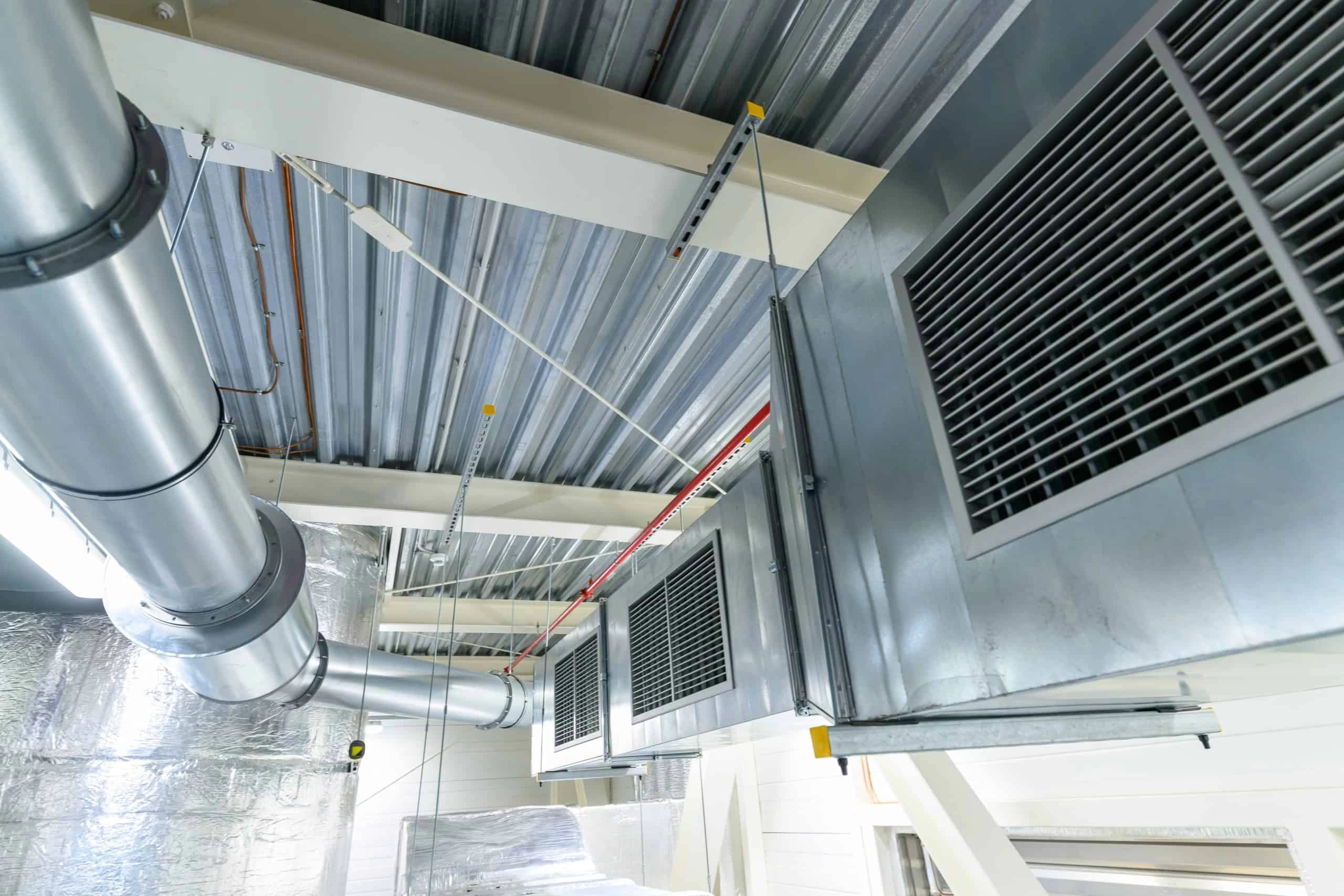
HVAC duct cleaning takes a broader approach. Instead of focusing only on the ductwork, it addresses the entire heating, ventilation, and air conditioning system—all the components that condition, move, and distribute air throughout your home.
This means cleaning not just the supply and return ducts, but also the air handler, blower motor and housing, evaporator coils, condensate drain pans, heat exchangers (if accessible), and all the registers and grilles. Basically, anything that air touches as it moves through your system gets cleaned.
Why does this matter? Because dirty ducts are only part of the problem. If your evaporator coils are caked with dust, your blower motor is coated in debris, or your drain pan has standing water and mold growth, cleaning just the ducts won’t solve your air quality or efficiency issues. Contaminants from these components will reintroduce themselves into your freshly cleaned ductwork within weeks. You’ll be back where you started, minus the money you spent on the partial cleaning.
The HVAC Components That Need Cleaning
Let’s break down what actually gets cleaned during comprehensive HVAC duct cleaning, because understanding the scope helps you evaluate whether a service provider is offering complete work or cutting corners.
The air handler is essentially the indoor unit of your HVAC system. It houses the blower, evaporator coil, and filter. During cleaning, we access the interior to remove accumulated dust and debris from all surfaces. This includes the blower motor, which can get coated with a thick layer of dust that makes it work harder and reduces airflow. When your blower motor is dirty, it has to run longer to move the same amount of air, which drives up your energy costs and strains the motor itself.
The evaporator coil is one of the most critical components to clean. This is where your system actually cools the air. When coils get dirty, they can’t transfer heat efficiently. According to industry research, dirty coils can cause your system to use up to 30 percent more energy than necessary. In Reno, where you’re running either heat or AC most of the year, that inefficiency adds up fast. Clean coils also prevent moisture problems that can lead to mold growth.
Condensate drain pans collect the water that forms when your AC runs. If these pans don’t drain properly or have standing water, they become breeding grounds for mold and bacteria. That growth gets blown into your ductwork every time your system runs. Cleaning and ensuring proper drainage prevents this contamination source.
Supply vents and return vents need attention too, but in HVAC duct cleaning, this goes beyond just wiping down the visible grilles. Return vents are particularly important because they’re where air gets pulled back into your system. If return vents are clogged with dust, pet hair, or debris, your system can’t pull enough air, which throws off the pressure balance in your ductwork and reduces efficiency.
The difference between supply vents and return vents matters here. Supply vents blow conditioned air into your rooms—they’re typically smaller, have adjustable slats, and you can feel air coming out. Return vents pull air back to your system—they’re usually larger, don’t have adjustable slats, and you won’t feel air blowing out. Both need cleaning, but return vents often accumulate more buildup because they’re pulling in all the dust, pet dander, and airborne particles from your living spaces.
During HVAC duct cleaning, we also inspect and clean the ductwork itself using the same negative pressure and source removal methods as standard air duct cleaning. But because we’re addressing the entire system, we can ensure that every component that touches your indoor air is free from contamination. This comprehensive approach is what actually improves indoor air quality and system efficiency long-term.

Why Cleaning Scope Differences Matter in Reno
Reno’s environment makes the distinction between air duct cleaning and HVAC duct cleaning more than just technical semantics. The dry desert climate, wildfire smoke, and dust from seasonal winds create conditions where contaminants accumulate faster and in more places throughout your HVAC system.
When wildfire smoke settles into Reno, it doesn’t just coat your ductwork. Fine particulates penetrate into your evaporator coils, settle on your blower motor, and get into every crevice of your air handler. If you only clean the ducts and leave those components untouched, you haven’t actually removed the contamination. The first time your system runs after a “cleaning,” it blows smoke residue right back into your freshly cleaned ducts.
The same thing happens with the fine dust that’s constant in our dry climate. Reno’s low humidity means dust stays airborne longer and penetrates deeper into HVAC components. Your return vents pull this dust into the system continuously. Some gets caught by your filter, but plenty makes it past and accumulates on coils, in the blower housing, and throughout the air handler. Cleaning just the ductwork addresses the symptom but not the source.
This is especially true if you have pets. Pet dander doesn’t just float through your ducts—it sticks to moist surfaces like evaporator coils and collects in drain pans. It builds up on blower motor blades and inside the air handler. A duct-only cleaning won’t touch these areas, which means you’ll keep circulating pet allergens no matter how clean your ductwork is.
Energy efficiency is another factor. Reno’s temperature swings mean you’re running heat in winter and AC in summer, often with significant daily temperature variations that keep your system cycling frequently. When your HVAC components are dirty, every cycle is less efficient. Your system works harder to maintain temperature, runs longer, and costs more to operate. Cleaning just the ducts might improve airflow slightly, but cleaning the entire system—especially the coils and blower—delivers measurable efficiency improvements that show up on your energy bill.
The cost difference between air duct cleaning and HVAC duct cleaning reflects this scope difference. You might pay $300-$400 for duct-only cleaning, while comprehensive HVAC duct cleaning typically runs $450-$700 or more depending on your system size. That gap represents the additional labor and expertise required to properly clean all system components. It’s not upselling—it’s the difference between partial work and complete work.
When you’re evaluating quotes from different companies, ask specifically what’s included. If someone offers a suspiciously low price, they’re probably only cleaning the visible ductwork and maybe the vents. If they’re offering comprehensive HVAC duct cleaning at a reasonable price and can explain exactly which components they’ll clean, you’re more likely getting complete service. Companies that follow NADCA standards will clean the entire system because that’s what the industry defines as proper duct cleaning.
Which Service Does Your Reno Home Actually Need?
The answer depends on what you’re trying to solve and what condition your system is in. If you’ve had a specific issue like rodent infestation in your ductwork, or if you just finished major renovations that filled your ducts with construction dust, focused air duct cleaning might be sufficient. But for most Reno homeowners dealing with general indoor air quality concerns, efficiency issues, or routine maintenance after several years, HVAC duct cleaning that addresses the entire system makes more sense.
The environmental factors we deal with here—wildfire smoke, persistent dust, temperature extremes that keep systems running year-round—mean contamination isn’t limited to ductwork alone. It affects every component that air passes through. Comprehensive cleaning ensures you’re actually removing contaminants instead of just moving them around.
When you’re ready to schedule service, look for providers who can clearly explain what they’ll clean, follow NADCA standards, and offer transparent pricing. Ask whether they’re cleaning just the ducts or the entire HVAC system. Ask what equipment they use and whether they create negative air pressure during cleaning. These questions help you identify companies doing complete, professional work versus those offering surface-level service.
If you’re in Reno and need help determining what your system actually needs, we can assess your specific situation and recommend the right service. With over a decade of experience and a commitment to transparent pricing, we focus on what your home needs—not what generates the highest invoice.