Summary:
Most Reno homeowners don’t think about their ductwork until something goes obviously wrong — a room that won’t cool down in August, an energy bill that keeps climbing with no clear reason, or dust that reappears two days after you cleaned. By the time those signs show up, the damage has usually been building for a while. Reno’s climate is genuinely hard on ventilation systems in ways that most other cities simply aren’t. This page explains what’s actually happening inside your ducts, how to recognize when repair is needed, and what to expect from a company that takes this work seriously.
Why Reno's Climate Is Uniquely Hard on Air Ducts
Reno sits at 4,505 feet in the Great Basin high desert, and the climate here behaves differently than almost anywhere else in the West. Summer highs regularly push past 100°F. Winter lows drop into the teens. And in a single day, temperatures can swing by 40 degrees — warm afternoon, cold night, repeat. That cycle doesn’t just affect how you dress. It affects every material in your home that expands and contracts with heat.
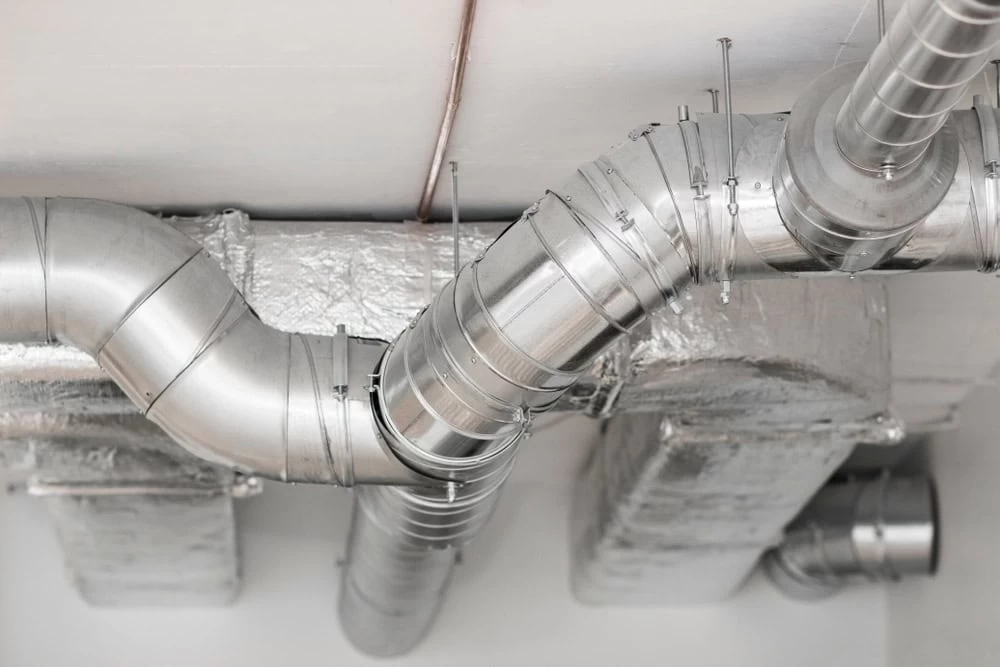
Ductwork — whether it’s sheet metal or flexible tubing — goes through that same expansion and contraction cycle every day. Joints that were sealed at installation gradually loosen. Insulation dries out and pulls away. Connections that were snug start to gap. None of it happens overnight, but after a few Reno summers and winters, the cumulative effect is real.
What Happens to Ductwork in Reno Attics and Crawlspaces

Here’s the part most homeowners don’t think about: a significant portion of your home’s ductwork doesn’t run through conditioned space. It runs through your attic. And in Reno, that attic is not a mild environment. During summer, attic temperatures regularly exceed 140°F. In winter, that same space can drop close to freezing. That’s a temperature range of well over 100 degrees — sometimes within the same structure, across the same season.
Flexible ductwork, which is common in homes built throughout Reno’s growth years, isn’t designed to hold up indefinitely under those conditions. The outer jacket becomes brittle. The inner lining cracks. Seals at connection points fail. And when those failures happen in an unconditioned attic, you’re not just losing conditioned air into a wall cavity — you’re losing it directly to the outdoors, or into a space that’s already fighting your HVAC system at every turn.
This is also where Reno’s notoriously low humidity becomes a factor. The desert air dries out insulation materials and sealants faster than in more temperate climates. Products that might last 15 years on the California coast can degrade significantly faster here. It’s not a flaw in the materials — it’s just the reality of the environment they’re operating in.
The result, for most homeowners, shows up indirectly. Your air conditioner runs longer than it should to hit the target temperature. Your furnace cycles more frequently in winter. Your NV Energy bill reflects all of that extra runtime, but there’s no obvious explanation staring you in the face. The ducts are doing their damage quietly, out of sight, in spaces you never go.
What’s worth understanding is that this isn’t a worst-case scenario — it’s the normal trajectory for ductwork in a Reno home that hasn’t been inspected in several years. The climate accelerates wear. That’s not an alarm, but it is a reason to pay attention.
Signs Your Air Ducts Need Repair — Not Just Cleaning
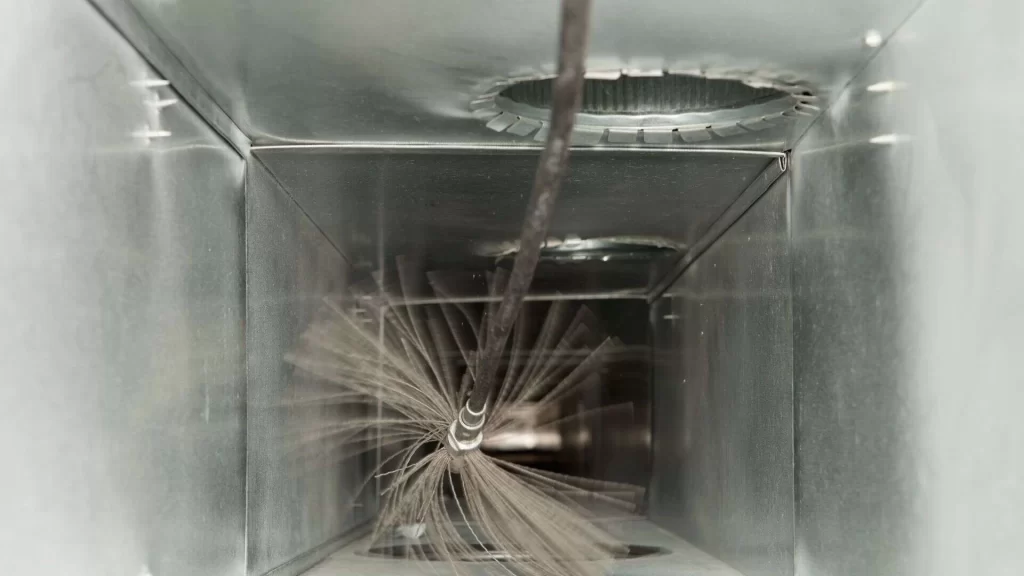
Cleaning and repair are related, but they’re not the same thing. Cleaning removes what’s built up inside your ducts — dust, allergens, debris, the fine particulate matter that Reno’s high-desert environment generates faster than almost any other climate. Repair addresses structural problems: leaks, disconnected sections, damaged insulation, failed seals. A home can need one, the other, or both. Knowing which is which helps you ask the right questions before anyone shows up at your door.
The most common sign that repair is the issue — not just cleaning — is uneven temperature distribution. If one room in your home is consistently 8 to 10 degrees warmer or cooler than the rest, and adjusting the thermostat doesn’t fix it, you’re likely dealing with a duct that’s leaking or disconnected somewhere along its run. The conditioned air is going somewhere — just not where it’s supposed to.
Higher energy bills without a clear explanation are another strong indicator. ENERGY STAR estimates that the average home loses 20 to 30 percent of conditioned air through leaky ductwork. In Reno, where your system is running hard for most of the year, that percentage translates directly to dollars on your NV Energy statement every single month.
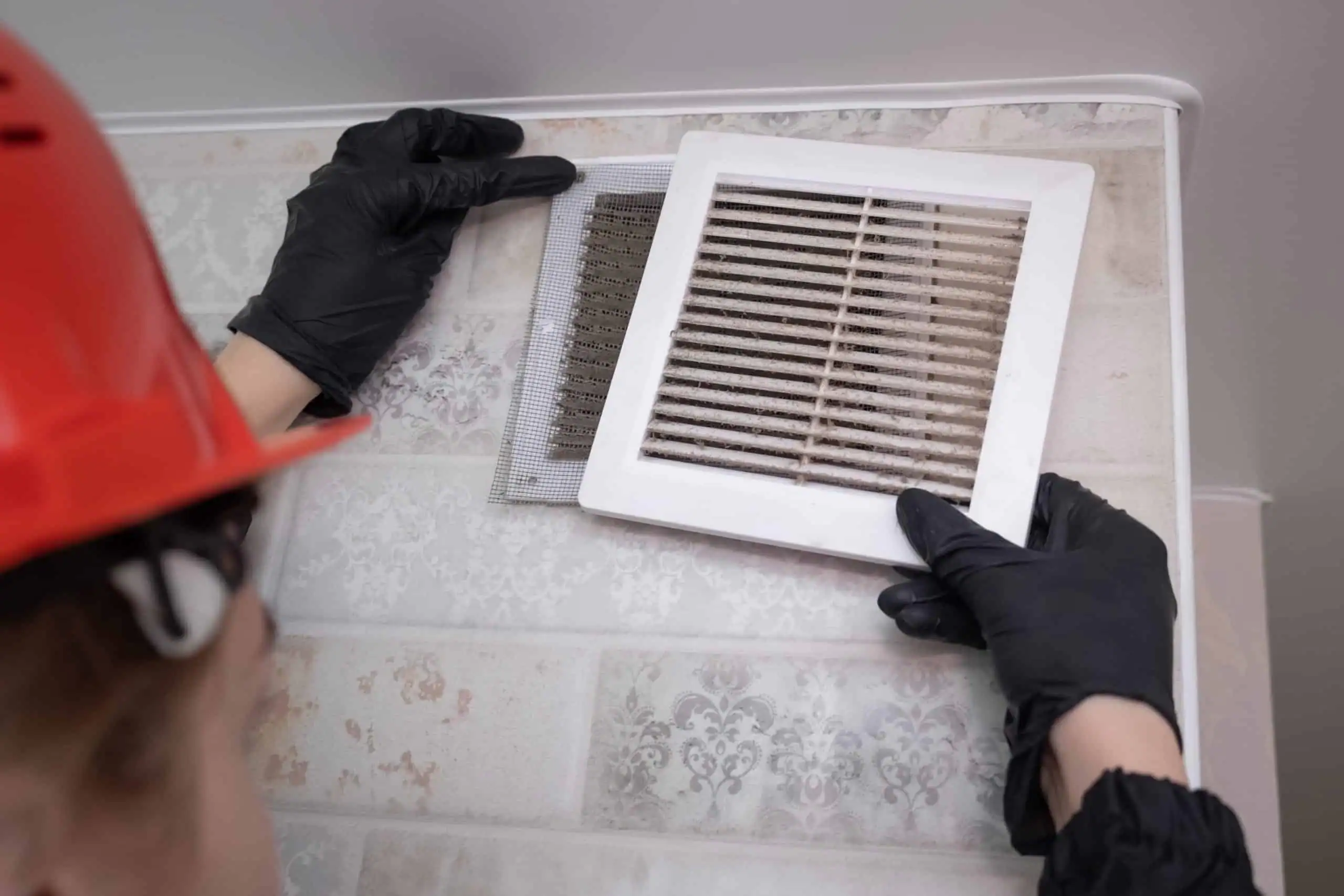
Excessive dust is worth mentioning separately because it’s so common in Reno and so easy to misattribute. The high desert generates real airborne dust — that’s just the environment. But when ductwork is leaking, it pulls in unfiltered air from attics and crawlspaces and distributes whatever’s in that air throughout your home. If your filters are going dark within a few weeks, or if surfaces are dusty again almost immediately after cleaning, the duct system is worth looking at.
One more thing that comes up often in homes around Midtown, Old Southwest, and other established Reno neighborhoods: previous owners sometimes used standard duct tape as a quick fix for small leaks. It’s a reasonable instinct, but standard duct tape isn’t rated for the thermal cycling that Reno’s climate demands. It dries out, loses adhesion, and fails — often leaving the joint in worse condition than before because the old tape has to be removed before a proper repair can be made.
What Real Air Duct Repair Involves — and How to Find Someone You Can Trust
There’s a lot of noise in this industry, and Reno homeowners have every reason to be skeptical. The $99 air duct cleaning offer that shows up in your mailbox or your search results is almost never what it appears to be. The technician arrives, finds “additional problems,” and the final bill is three to four times the advertised price. It happens constantly, and it’s made a lot of homeowners hesitant to call anyone at all.
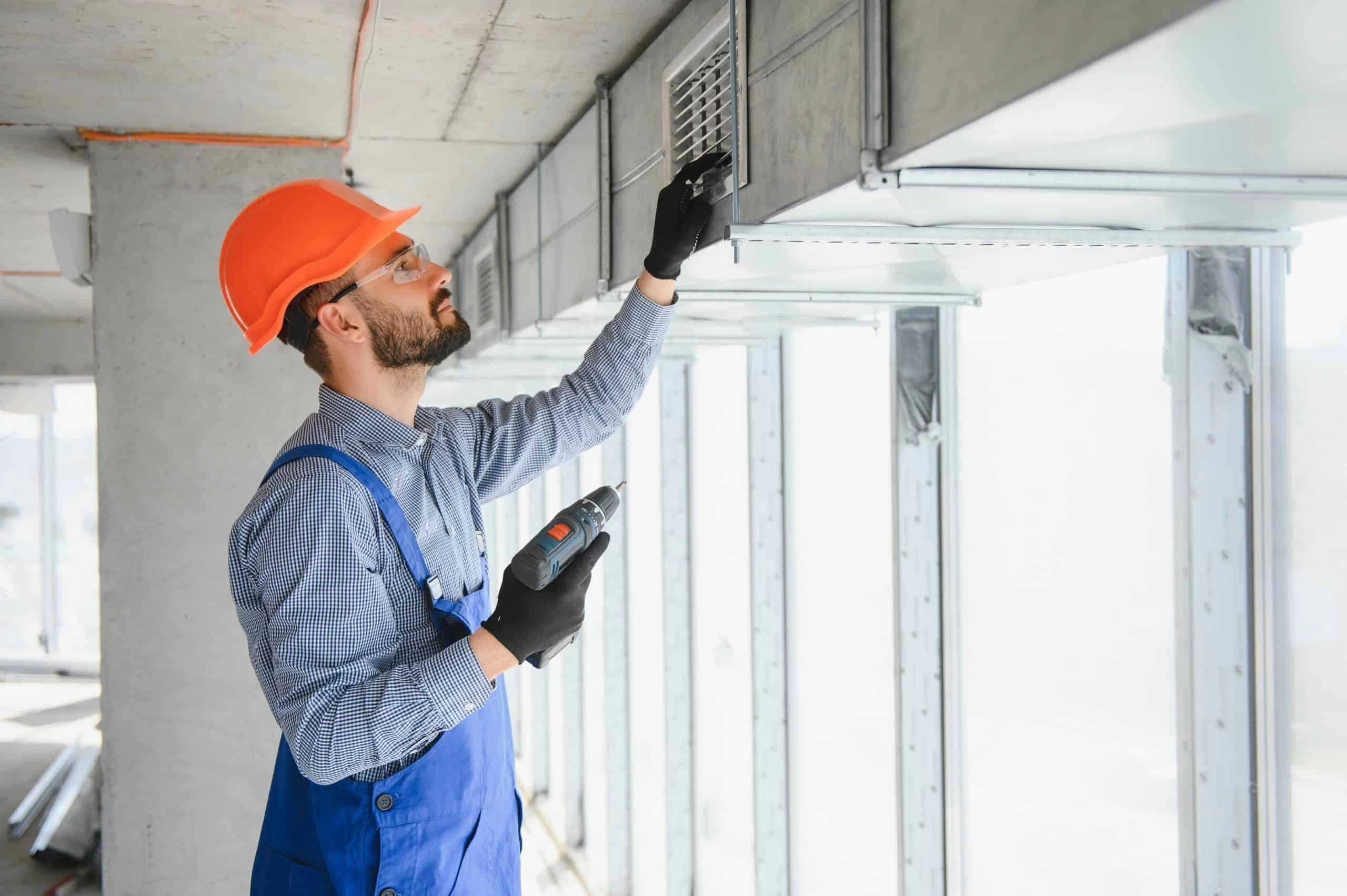
Honest air duct repair starts with a real inspection — not a cursory look at the registers, but an actual assessment of the full duct run, including the sections in your attic and crawlspace. From there, the scope of work should be explained clearly, in plain terms, before anything is touched. What’s damaged, what needs to be done, and what it will cost. No surprises after the fact.
How Air Duct Repair Actually Works — From Inspection to Sealed System
A proper air duct repair starts with understanding what you’re dealing with. That means inspecting accessible ductwork for visible damage — tears, holes, disconnected joints, deteriorated insulation — and using pressure or airflow testing to identify leaks that aren’t visible from the outside. In Reno homes with ductwork in unconditioned attic spaces, this step matters more than it does in milder climates, because that’s where the most significant damage tends to accumulate.
Once the problem areas are identified, repair involves sealing joints and connections with materials that are actually rated for the job. Mastic sealant and UL-listed foil tape are the professional standards — not the silver duct tape you’d find at a hardware store. The difference matters because Reno’s temperature extremes will test whatever’s holding those seams together every single day. A material that can’t handle that thermal cycling will fail again within a season.
In cases where sections of ductwork are too far gone to seal effectively — older flexible duct that’s cracked through, or metal duct that’s been physically damaged — replacement of those sections is the right call. This is where a thorough inspection earns its value: knowing which sections need sealing, which need replacement, and which are actually fine keeps the scope of work honest and the cost proportional to the actual problem.
After repairs are completed, airflow testing confirms that the work actually solved what it was supposed to solve. You should be able to feel the difference — rooms that were consistently uncomfortable start behaving the way they should. And your HVAC system, no longer compensating for lost air, runs more efficiently. That shows up on your energy bill, usually within the first full billing cycle after the work is done.
For newer Reno homeowners — especially those who moved here from California and bought in areas like Damonte Ranch, South Meadows, or Spanish Springs — it’s worth knowing that even relatively new homes can have duct issues. Construction-era installation quality varies, and homes built during Reno’s rapid growth period weren’t always given the same attention to ductwork detail as the rest of the build. An inspection after purchase is a reasonable baseline, not an overreaction.
Questions Reno Homeowners Ask Before Hiring a Duct Repair Company
One of the most common questions we hear is some version of: “How do I know if I actually need this, or if someone is just trying to sell me something?” It’s a fair question, and the honest answer is that the signs are usually pretty clear if you know what to look for. Rooms that won’t reach temperature, energy bills that don’t match your usage, dust that returns faster than it should, or a system that runs constantly without keeping up — any of those, especially in combination, are worth taking seriously. If none of those apply to you, a routine cleaning may be all that’s warranted.
People also ask whether they can handle duct repair themselves. For a basic visual check of accessible registers and visible duct sections, sure. But actual repair — sealing joints, replacing damaged sections, restoring insulation — requires professional materials and the ability to access the full duct run, including sections in your attic or crawlspace. Improper sealing can make the underlying problem worse, and in some cases it means cutting into walls or ceilings to undo what was done incorrectly. It’s one of those jobs where the cost of getting it wrong is higher than the cost of getting it right the first time.
Another question that comes up frequently, especially after the wildfire smoke events that Reno and the broader Truckee Meadows have dealt with in recent years: “Could smoke have gotten into my duct system?” The short answer is yes, particularly in homes with leaky ductwork. Wildfire smoke particulates are extremely fine — fine enough to penetrate gaps that wouldn’t let in visible debris. Once inside the duct system, those particulates can continue circulating through your home long after the outdoor air has cleared. For households with children, elderly family members, or anyone with asthma or respiratory sensitivities, getting the duct system inspected and cleaned after a significant smoke event is a genuinely reasonable precaution, not an upsell.
Finally, homeowners ask about pricing — specifically, how to know what’s fair. The clearest signal of a trustworthy company is one that gives you a real number before the work starts, explains what’s included, and doesn’t change the story once someone is inside your home. If a quote feels too low to be real, it probably is.
Finding Reliable Air Duct Repair in Reno, NV
Reno’s climate asks a lot of your home’s systems. The temperature swings, the desert dust, the summer heat baking your attic, the cold snaps that follow — all of it adds up over time, and your ductwork absorbs more of that stress than most homeowners realize. The good news is that most duct problems, caught at a reasonable stage, are fixable without a dramatic overhaul.
What matters most is finding someone who will give you an honest assessment — not a low-ball price that turns into a surprise bill, and not a recommendation to replace everything when repairs will do the job. That starts with a real inspection, a clear explanation of what was found, and transparent pricing before any work begins.
If you’re in Reno, NV and you’ve been noticing the signs — rooms that won’t cooperate, bills that don’t add up, dust that keeps coming back — we’re here to help. We handle every job directly, and our goal is always to give you a straight answer about what your home actually needs.