Summary:
What Are the Warning Signs Your Air Ducts Need Cleaning
Most people don’t think about their air ducts until something feels off. Maybe the air doesn’t smell quite right. Maybe you’re dusting more often than you used to. These aren’t just minor annoyances—they’re clues that your ductwork has accumulated enough buildup to affect your home’s air quality and your HVAC system’s performance.
The good news is that your ducts give you plenty of warning before things get serious. Recognizing these signs early means you can address the problem before it leads to bigger issues like reduced efficiency, higher energy bills, or worsening respiratory symptoms. Let’s walk through what to watch for.
Visible Dust and Debris Around Your Vents
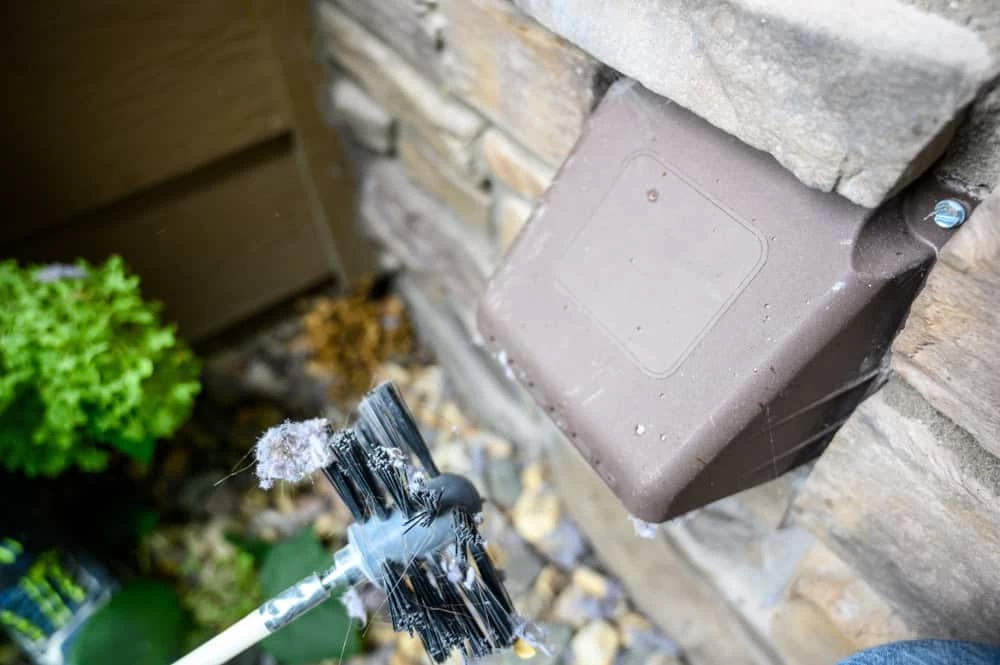
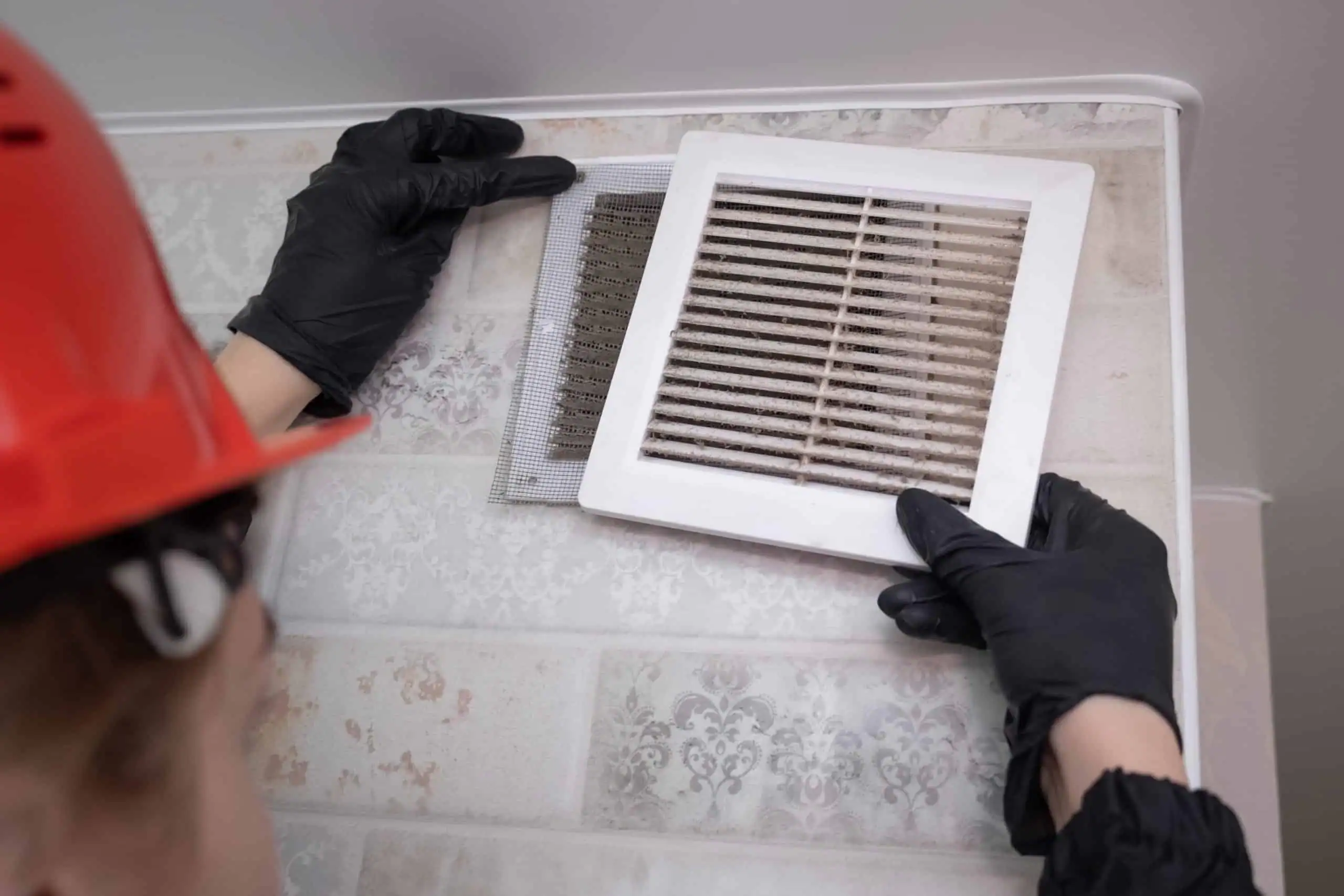
Take a look at the vents throughout your home. If you see a coating of dust on the vent covers, or if small puffs of debris blow out when your HVAC system kicks on, that’s a clear sign that dust has accumulated inside your ductwork. When your system runs, it’s pulling air through those ducts and pushing it into your living space—along with whatever particles have settled inside.
This isn’t just about aesthetics. When dust builds up in your ducts, your HVAC system recirculates it throughout your home multiple times a day. That means you’re breathing in the same dust, pet dander, and other particles over and over. You might notice that surfaces get dusty faster than they used to, even right after you’ve cleaned. That’s because your ducts are continuously feeding dust back into your rooms.
In Reno, this problem gets worse during certain times of year. The dry desert climate means dust doesn’t just settle—it gets stirred up easily and finds its way into your home. Add in wildfire season, and you’ve got smoke particles mixing with regular household dust. If you’re seeing visible buildup around your vents, it’s a good indication that what you can see is just a fraction of what’s accumulated deeper in your duct system.
The fix isn’t just wiping down the vent covers. That’s like mopping the floor while the faucet’s still running. Professional air duct cleaning removes the source of the problem by clearing out the buildup inside the ductwork itself. Once that’s done, you’ll notice that dust doesn’t accumulate as quickly on your furniture, and the air coming from your vents feels cleaner.
Increased Allergy or Respiratory Symptoms at Home
If you or your family members are sneezing, coughing, or dealing with congestion that seems to get worse when you’re indoors, your air ducts could be the culprit. Ducts are a favorite hiding spot for allergens like pollen, dust mites, mold spores, and pet dander. When your HVAC system runs, it pulls air through those ducts and circulates all of those irritants right back into the rooms where you’re spending your time.
You might notice that symptoms improve when you leave the house but flare up again once you’re back home. That’s a telltale sign that something in your indoor environment is triggering the reaction. For people with asthma, allergies, or other respiratory conditions, this can be more than just uncomfortable—it can interfere with daily life and make it harder to breathe easy in your own home.
Reno’s air quality challenges make this issue even more relevant. During wildfire season, smoke particles infiltrate homes and settle into duct systems. Even after the smoke clears outside, those particles can linger in your ductwork and continue circulating through your indoor air for months. Winter inversions trap pollutants in the valley, and when outdoor air quality dips, people spend more time indoors—breathing whatever’s been accumulating in their ducts.
Professional duct cleaning services remove the trapped allergens and irritants that have built up over time. It’s not a cure-all for allergies, but it can significantly reduce your exposure to the triggers that make symptoms worse. For households with children, elderly family members, or anyone with compromised respiratory health, clean air ducts create a safer, more comfortable living environment. You’re not just improving indoor air quality—you’re giving your family a better chance to breathe without constant irritation.
How Dirty Ducts Affect Your HVAC System and Energy Bills
Dirty air ducts don’t just impact your health—they hit your wallet too. When dust, debris, and other contaminants clog your ductwork, your HVAC system has to work harder to push air through. That extra effort translates directly into higher energy consumption. You’re paying more to heat and cool your home, and your system is under more strain than it should be.
If your energy bills have been creeping up without an obvious explanation, your ducts might be the reason. Restricted airflow forces your system to run longer cycles to reach the temperature you’ve set on the thermostat. Over time, this added workload wears down components faster, increasing the likelihood of breakdowns and shortening the overall lifespan of your equipment.
Reduced Airflow and Uneven Temperatures
Walk through your home and pay attention to how the air feels coming from different vents. If some rooms feel stuffy while others get plenty of airflow, or if certain areas never quite reach a comfortable temperature, blockages in your ductwork could be restricting circulation. When ducts are clogged, air can’t flow freely, and your system struggles to distribute conditioned air evenly throughout your home.
You might also notice that your HVAC system seems to run constantly without actually making your home more comfortable. It’s working overtime to compensate for the restricted airflow, but because the ducts are blocked, the air isn’t reaching where it needs to go. This creates hot and cold spots, and it means your system is burning through energy without delivering the results you expect.
Reno’s climate puts extra demands on HVAC systems. You’re running heating in the winter and cooling through the long, hot summers. When your ducts are clean and airflow is unrestricted, your system can heat or cool efficiently, reaching your desired temperature faster and maintaining it with less effort. That means shorter run times, lower energy use, and a more comfortable home overall. According to industry standards, proper HVAC maintenance including clean ductwork can help reduce energy bills and improve system performance.
Cleaning your ducts restores proper airflow and allows your HVAC system to function the way it was designed to. You’ll notice more consistent temperatures from room to room, and your system won’t have to work as hard to keep you comfortable. That translates into real energy savings and less wear and tear on your equipment. For homeowners in Reno where HVAC systems run much of the year, even small efficiency improvements add up over time.

Musty Odors and Mold Growth in Ductwork
If you smell something musty or stale when your HVAC system turns on, that’s not just unpleasant—it’s a warning sign. Odors coming from your vents often indicate that moisture has gotten into your ductwork, creating an environment where mold and mildew can grow. Once mold takes hold in your ducts, every time your system runs, it spreads spores throughout your home.
Mold in ductwork is a serious concern. It can trigger allergic reactions, worsen asthma symptoms, and create ongoing respiratory issues for anyone living in the home. The varying temperatures inside and outside your ducts can lead to condensation, especially in Reno’s climate where you’re switching between heating and cooling depending on the season. That moisture buildup is all mold needs to start growing.
You might also notice other odors—something burnt, a lingering smell of dust, or even pet odors that seem to hang in the air no matter how much you clean. These smells indicate that contaminants have accumulated in your ducts and are being recirculated every time your HVAC runs. It’s not just about masking the smell with air fresheners. The source of the odor is inside your ductwork, and it needs to be removed.
Professional air duct cleaning addresses the root cause by removing the buildup, eliminating trapped moisture, and clearing out any mold or mildew that’s taken hold. If mold is present, it’s important to identify and fix the underlying moisture problem before cleaning, otherwise it will just come back. Once your ducts are clean and dry, the musty odors disappear, and the air circulating through your home smells fresh again. For Reno homeowners, especially those who’ve dealt with wildfire smoke or have older homes with less efficient ductwork, addressing odors and mold growth is an important step in maintaining a healthy indoor environment.
When Should Reno Homeowners Schedule Air Duct Cleaning
If you’re noticing any of the warning signs we’ve covered—dust around vents, worsening allergies, higher energy bills, reduced airflow, or musty odors—it’s time to consider professional air duct cleaning. NADCA recommends having your ducts cleaned every three to five years for most homes, but Reno’s unique environmental conditions may mean you need it more often. Wildfire smoke, desert dust, and seasonal air quality challenges all contribute to faster buildup in your ductwork.
Homes with pets, family members with allergies or asthma, or recent renovations should consider cleaning every two to three years. And if you’ve just moved into a home where the duct cleaning history is unknown, scheduling an inspection is a smart first step. Clean air ducts improve your indoor air quality, help your HVAC system run more efficiently, and create a healthier, more comfortable home for your family. When you’re ready to address those warning signs, we bring over a decade of experience and a customer-first approach to every job in Reno and the surrounding area.