Summary:
How Lint Buildup Turns Your Dryer Into a Fire Hazard
Lint is more than just annoying fuzz in your dryer’s trap. It’s one of the most flammable materials in your home. Every time you dry a load, tiny fibers break off from your clothes and towels. Your lint trap catches most of it—somewhere between 90 and 95 percent—but the rest? It travels through your dryer and into the vent system, where it sticks to the walls and starts to accumulate.
Over time, that buildup restricts airflow. Your dryer has to work harder to push hot, moist air out. The heat has nowhere to go, so it builds up inside the machine and the vent. Eventually, temperatures climb high enough that the lint ignites. That’s how a clogged dryer vent becomes a house fire.
In Reno, the problem accelerates. The desert climate means more dust in the air, and that dust mixes with lint to create an even thicker, more dangerous blockage. Older homes with longer, more complex vent runs trap lint more easily. If your vent hasn’t been professionally cleaned in a year or more, you’re sitting on a ticking clock.
The Real Statistics Behind Dryer Fire Risk

The numbers aren’t abstract. They’re happening in homes just like yours. Dryers cause approximately 13,820 fires every single year in the United States. That’s roughly one fire every 37 minutes. These fires result in an estimated five deaths, 100 injuries, and $35 million in property damage annually.
Here’s the part that matters most: 34 percent of those fires are caused by clogged dryer vents. That’s more than a third of all dryer fires, and nearly every one of them could have been prevented with regular dryer vent cleaning. The National Fire Protection Association found that failure to clean is the leading factor contributing to dryer fire ignition. Not faulty wiring. Not old machines. Just lint that never got cleared out.
When you break it down by season, the risk gets even clearer. Most dryer fires happen in the fall and winter months, with January seeing the highest number of incidents. That’s when people are drying heavier loads—blankets, towels, cold-weather clothing—and running their dryers more frequently. The increased use combined with existing lint buildup creates the perfect storm.
If you’re in Reno, NV, you’re dealing with an added layer of risk. The dry air and dust mean your dryer vent accumulates debris faster than it would in more humid climates. Homes built before 1990 often have longer, more complicated vent systems that trap lint more readily and need attention more frequently. The small investment in annual dryer vent cleaning prevents the much larger costs of dryer replacement, higher energy bills, and potential fire damage. More importantly, it protects the people living in your home.
Why Your Lint Trap Isn't Enough to Prevent Fires
You clean the lint trap after every load. That should be enough, right? Unfortunately, no. The lint trap is designed to catch the majority of lint—and it does a decent job, capturing about 90 to 95 percent of what comes off your clothes. But that remaining five to ten percent? It doesn’t just disappear. It travels through your dryer and into the vent system, where it sticks to the interior walls and begins to build up over time.
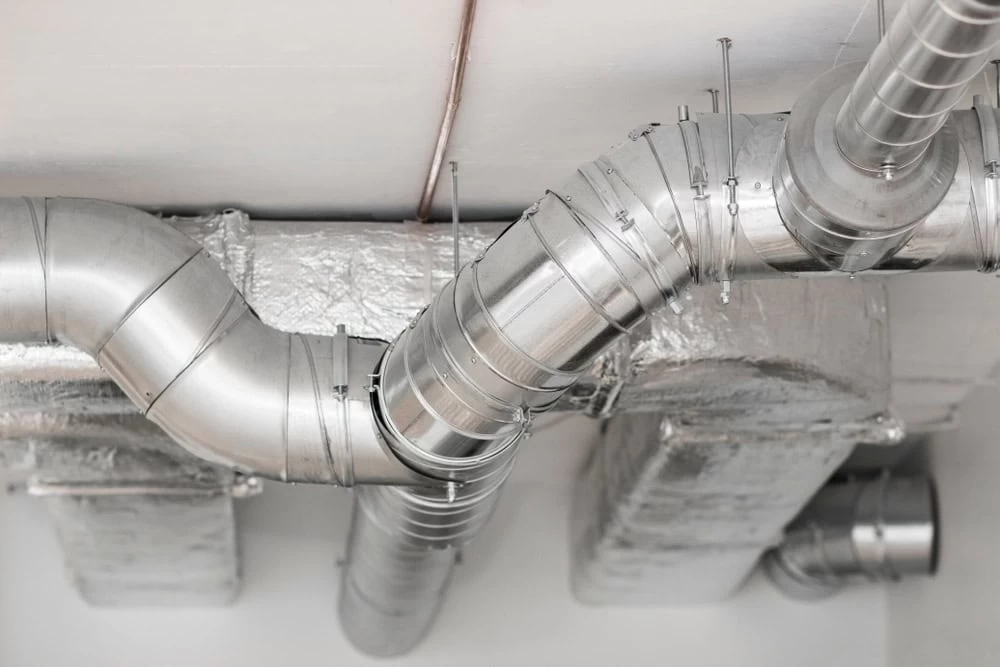
Even if you’re diligent about cleaning the trap, lint still accumulates inside the dryer itself. It gathers around the drum, near the heating element, and in areas you can’t see or reach without disassembling the machine. Some of it winds up in the transition hose that connects your dryer to the wall vent. More of it settles into the ductwork that runs through your walls or crawl space to the exterior vent. All of that hidden lint is restricting airflow and creating a fire hazard.
There’s another issue most people don’t realize: fabric softener sheets can actually make the problem worse. They leave a residue on the lint trap that clogs the screen over time. You might think the trap is clean, but if you pour water on it and the water doesn’t flow through, that residue is blocking airflow just like lint does. That means even more lint bypasses the trap and heads straight into your vent system.
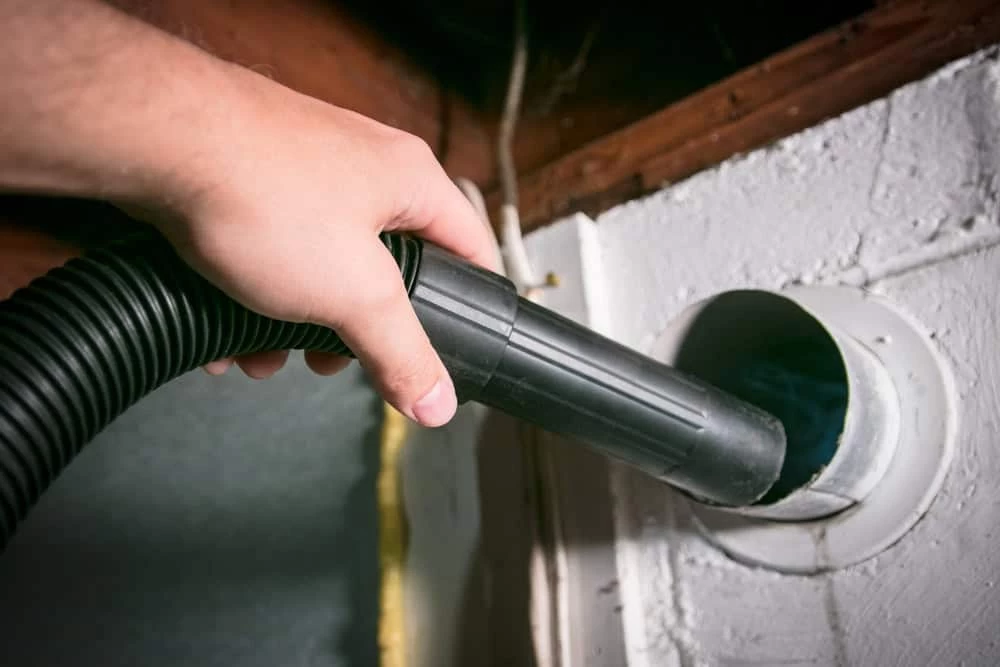
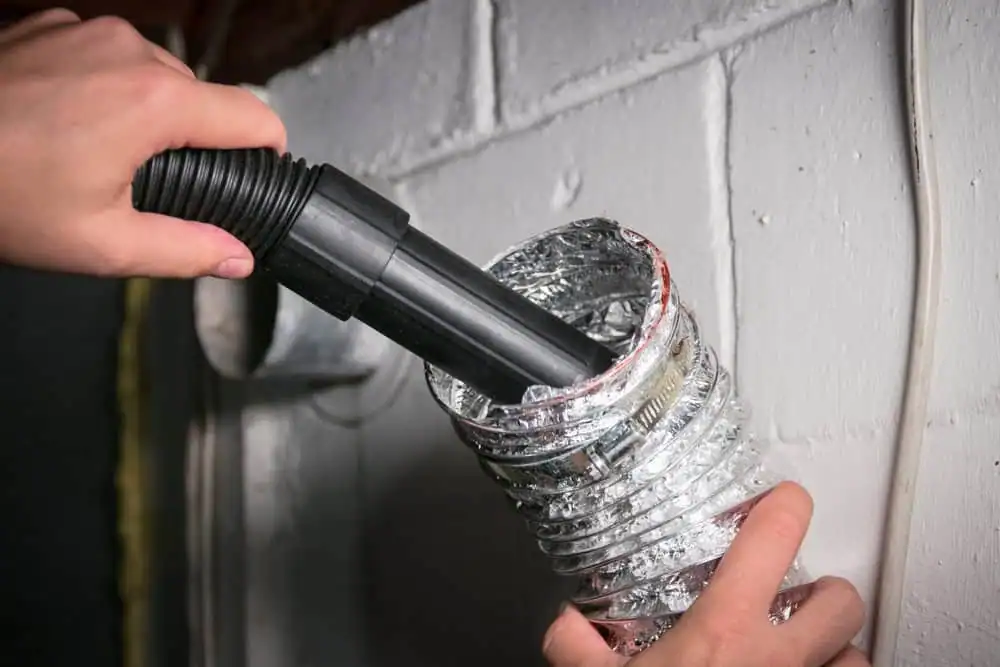
The reality is that cleaning your lint trap is necessary, but it’s not sufficient. Professional dryer vent cleaning addresses the entire system—from the back of your dryer to the exterior vent opening. It removes the lint you can’t see, the buildup you can’t reach, and the blockages that are quietly increasing your fire risk every time you run a load of laundry.
Warning Signs Your Dryer Vent Is Clogged
Your dryer will tell you when something’s wrong. The problem is, most people don’t recognize the signs until the situation is already dangerous. If you know what to look for, you can catch a clogged dryer vent before it becomes a fire hazard.
The most obvious sign is longer drying times. If a load that used to dry in 40 minutes now takes 60, 70, or even 90 minutes, your vent is likely clogged. When lint blocks airflow, moisture has nowhere to go. Your clothes stay damp, and you end up running multiple cycles to get them dry. That’s not just inconvenient—it’s a clear signal that your dryer vent needs professional attention.
Another warning sign is excessive heat. If your dryer feels hot to the touch, if your clothes come out hotter than normal, or if the laundry room feels like a sauna while the dryer’s running, that heat isn’t escaping the way it should. It’s building up inside the machine and the vent, which means temperatures are climbing to dangerous levels.
Other Red Flags You Shouldn't Ignore
Beyond long drying times and excessive heat, there are several other warning signs that indicate your dryer vent is clogged and needs immediate attention. A burning smell is one of the most alarming. If you catch even a faint burnt odor when your dryer is running, stop using it immediately. That smell usually means lint has accumulated near the heating element and is starting to scorch. It’s not “just a smell”—it’s a fire waiting to happen.
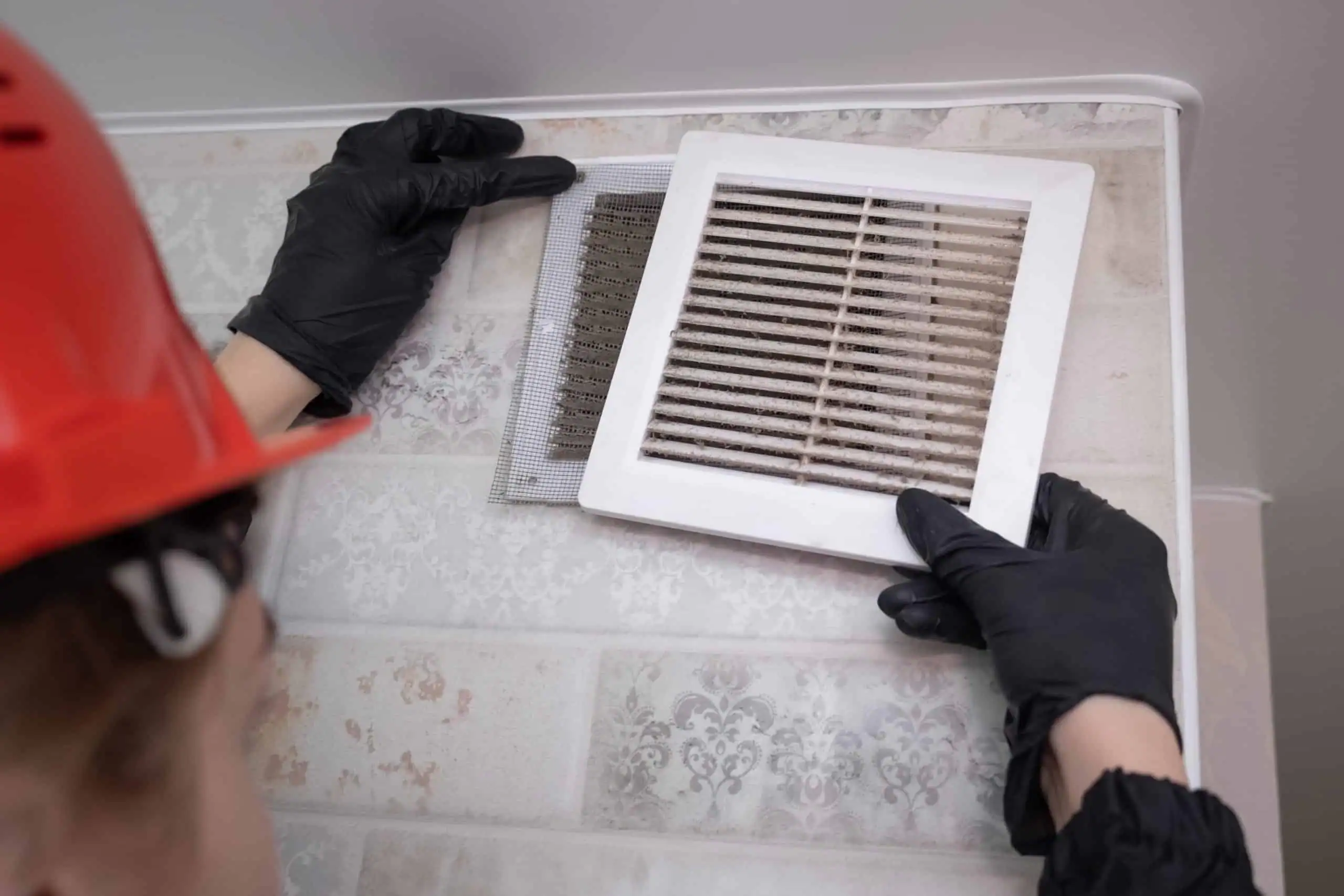
Lint accumulation around your dryer or near the exterior vent is another red flag. If you’re seeing lint on the floor behind your dryer, around the door seal, or piling up near the outside vent opening, that’s lint that couldn’t escape through the vent system. It’s being forced out wherever it can find an opening, which means the vent itself is blocked.
Check the exterior vent flap while your dryer is running. It should open easily and release a steady stream of warm, moist air. If the flap barely moves, if you feel little to no airflow, or if lint is collecting around the louvers, your vent is clogged. Some homeowners also notice that the exterior vent flap stays closed even when the dryer is on—a clear sign that air isn’t moving through the system the way it should.
There’s also a less common but equally serious warning sign: no lint on the lint trap. It sounds counterintuitive, but if you’re not finding lint in the trap after a cycle, it usually means an obstruction is causing lint to back up inside the machine instead of being pulled toward the trap. That lint is accumulating in places where it’s even more dangerous, like near the heating element or inside the drum housing. If you’re experiencing any of these warning signs, don’t wait. The longer you ignore them, the higher your fire risk becomes.

How Often Should You Clean Your Dryer Vent in Reno, NV
Most homeowners should have their dryer vents professionally cleaned at least once a year. That’s the baseline recommendation from the U.S. Fire Administration, the National Fire Protection Association, and most dryer manufacturers. Annual dryer vent cleaning removes the lint and debris that accumulate over time, restores proper airflow, and significantly reduces your fire risk.
But in Reno, NV, that timeline often needs to be shorter. The desert climate accelerates lint and debris buildup compared to more humid areas. The combination of desert dust and normal lint creates a particularly dangerous mixture that can ignite easily. If you’re doing more than eight loads of laundry per week, if you have pets that shed, or if your vent run is long or has multiple bends, you may need professional dryer vent cleaning twice per year.
Homes built before 1990 often have longer, more complex vent systems that trap lint more readily. These systems need attention more frequently because the lint has more places to accumulate and less airflow to push it out. If your dryer is located far from an exterior wall—like in a second-floor laundry room or a central hallway closet—your vent run is probably longer and more complicated than you realize.
There are also situations that call for immediate cleaning, regardless of when you last had service. If you’re experiencing any of the warning signs we’ve covered—longer drying times, excessive heat, burning smells, or lint accumulation—schedule a dryer vent cleaning service as soon as possible. If you’ve just moved into a home and don’t know the vent’s cleaning history, have it inspected and cleaned before you start using the dryer regularly. And if you’ve had any renovations or construction work done near your dryer or vent system, get it checked. Dust and debris from construction can clog a vent faster than you’d expect.
The bottom line: annual cleaning is the minimum. In Reno’s climate, with the added dust and older housing stock, more frequent service is often necessary. The cost of professional dryer vent cleaning is a fraction of what you’d pay to replace a dryer, repair fire damage, or deal with a house fire. More importantly, it’s a small price to pay for the peace of mind that comes with knowing your family is safe.
Protect Your Home With Professional Dryer Vent Cleaning
Dryer fires are preventable. The statistics are clear: most of these fires happen because vents don’t get cleaned. Lint builds up, airflow gets restricted, heat accumulates, and eventually something ignites. It doesn’t have to be complicated or mysterious. Regular dryer vent maintenance eliminates the risk.
If your dryer is taking longer to dry clothes, if you’re noticing excessive heat or burning smells, or if you simply can’t remember the last time your vent was cleaned, now is the time to take action. Professional dryer vent cleaning removes the lint and debris you can’t reach, restores proper airflow, and gives you the peace of mind that comes with knowing your home is safe.
We’ve been helping Reno homeowners protect their families for over a decade. With transparent pricing, professional-grade equipment, and owner Jorge Mendoza directly involved in every job, you get thorough service without the runaround. Don’t wait until a small problem becomes a dangerous one. Schedule your dryer vent cleaning in Reno, NV today and eliminate the fire hazard hiding in your walls.