Summary:
What DIY Air Duct Cleaning Can Actually Accomplish
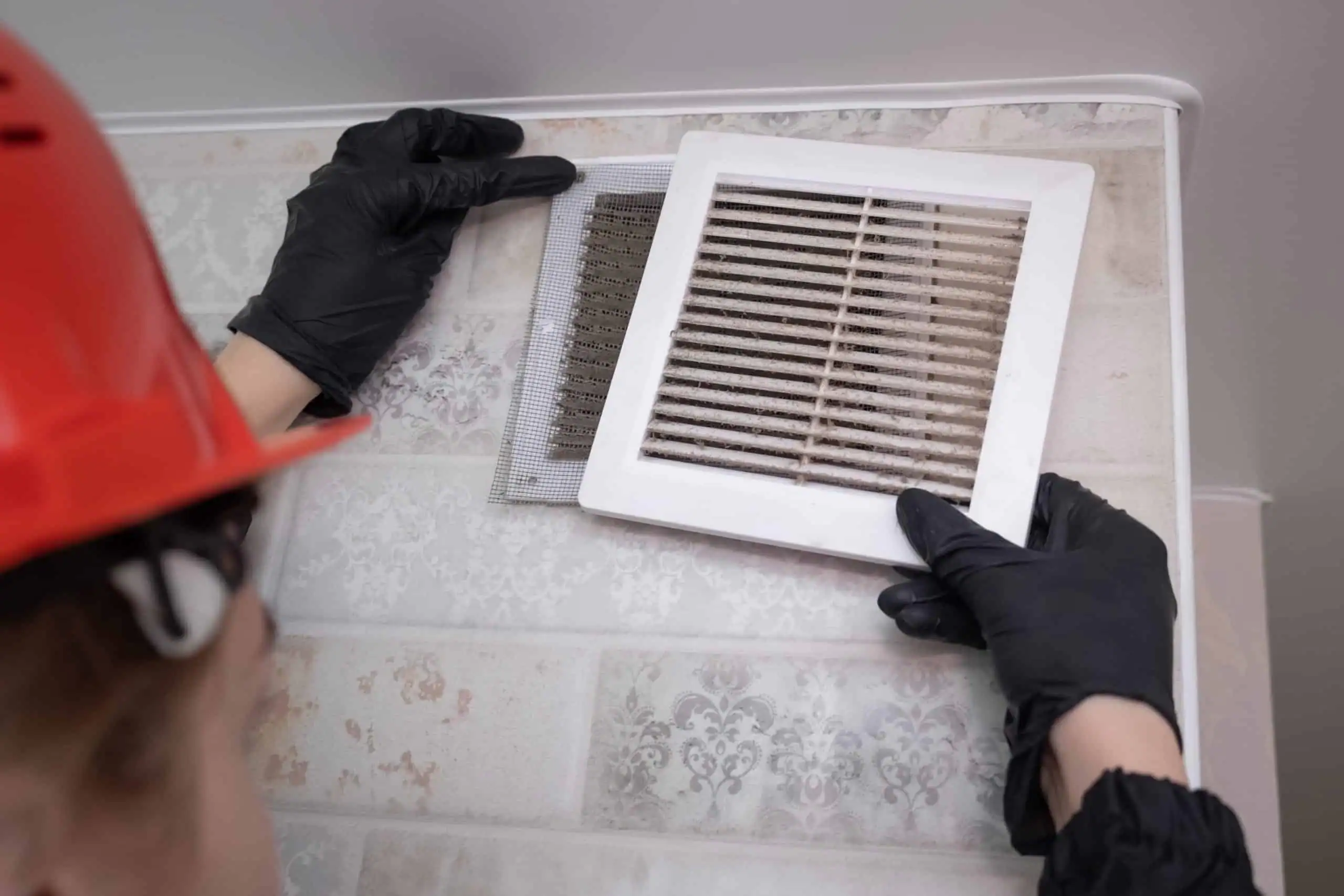
If you’re comfortable with basic home maintenance, there are parts of your HVAC system you can clean yourself. You can vacuum visible dust from vent covers, wipe down registers, and change your air filters regularly. These tasks help maintain airflow and reduce surface-level dust.
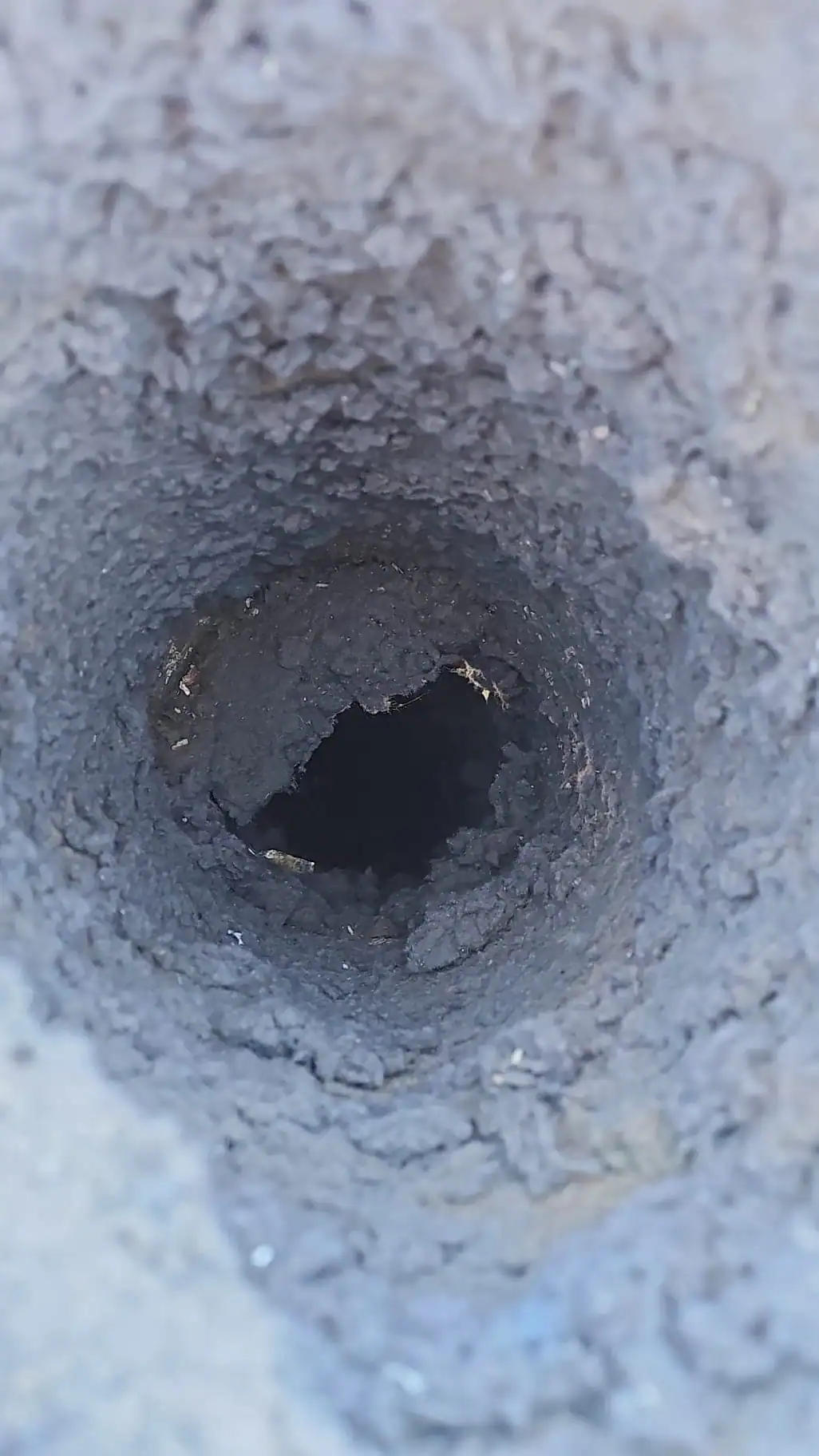
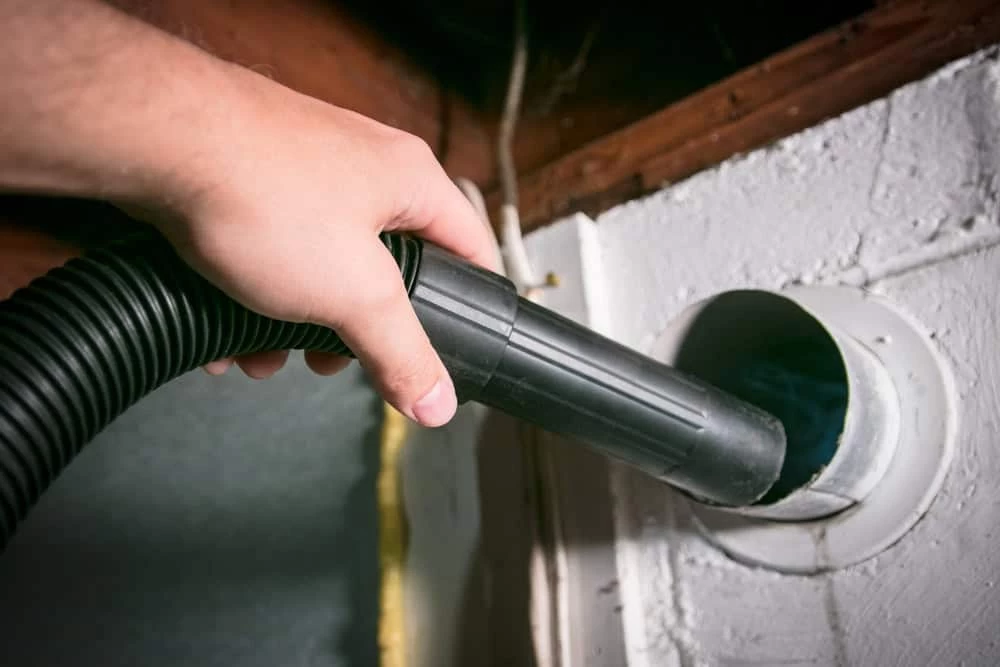
But here’s the reality: your household vacuum can only reach a few feet into your ductwork. The bulk of contamination—the stuff that’s been accumulating for years—sits deep in the system where your equipment can’t touch it. That includes the main trunk lines, branch ducts, and all the components hidden behind walls and in your attic.
For light maintenance between professional cleanings, DIY work has value. It keeps visible areas cleaner and helps your system run a bit better. But it’s not a substitute for the deep cleaning your ductwork actually needs.
The Equipment Gap: Why Household Tools Fall Short
Professional duct cleaning companies use industrial-grade equipment that costs tens of thousands of dollars. These aren’t consumer products you can rent from a hardware store for the weekend. They’re specialized machines designed specifically for HVAC system cleaning.
The core difference is suction power. A professional HEPA-filtered vacuum generates over 1,000 cubic feet per minute of airflow, creating negative pressure throughout your entire duct system. This pulls contaminants from every corner of your ductwork into a containment unit. Your home vacuum might manage 100-150 CFM on a good day—not even close to what’s needed.
Then there’s the agitation equipment. Professionals use rotary brush systems that spin at adjustable speeds up to 1,400 RPM, scrubbing duct walls to dislodge caked-on debris. We have air whips and pneumatic tools that break up compacted dust and push it toward the collection point. These tools are engineered to clean without damaging your ductwork, which requires training and experience to operate correctly.
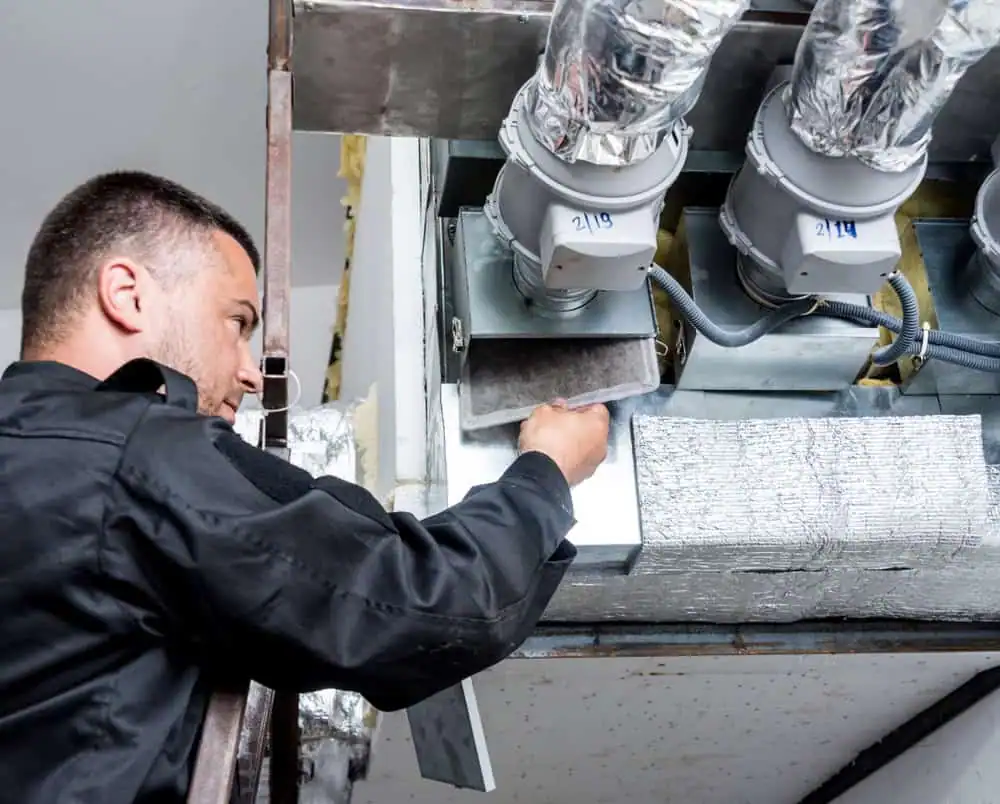
The inspection component matters too. Professional companies use camera systems to see inside your ducts before, during, and after cleaning. This isn’t just for show—it helps us identify problem areas, verify our work, and spot issues like mold growth or pest infestations that you’d never know existed otherwise.
Without this equipment, you’re essentially dusting the front porch while leaving the rest of the house untouched. In Reno, where wildfire smoke particles and fine desert dust penetrate deep into duct systems, surface cleaning doesn’t address the real problem.
The Risks of DIY Duct Cleaning You Should Know About
Attempting to clean your own air ducts carries risks that most homeowners don’t consider until something goes wrong. The most common issue is duct damage. HVAC ductwork, especially flex ducts, is more delicate than it looks. Aggressive scrubbing with the wrong tools can puncture linings, disconnect joints, or create gaps that leak conditioned air into your attic or walls.
When you disturb dust and debris without proper containment, you’re releasing it into your living space. Professional systems create negative pressure that captures everything we dislodge. Your vacuum doesn’t have that capability, which means you might actually worsen your indoor air quality temporarily by stirring up contaminants.
Mold is another serious concern. If you spot mold growth in your ducts and try to clean it yourself, you risk spreading spores throughout your home’s air supply. Mold remediation requires specific protocols, protective equipment, and often antimicrobial treatments that aren’t available at consumer level. Disturbing mold without proper containment can create health hazards, especially for anyone with respiratory sensitivities.
There’s also the issue of what you can’t see. Professional technicians are trained to recognize signs of problems—moisture buildup, pest activity, deteriorating insulation, disconnected ductwork. These issues require fixes beyond cleaning. If you’re working blind without inspection equipment, you’ll miss them entirely.
In Reno specifically, the combination of seasonal challenges makes these risks more pronounced. Wildfire smoke residue contains fine particulates that need specialized removal. Desert dust compacts over time, requiring more than a vacuum to dislodge. Temperature swings between seasons can create condensation in ductwork, leading to mold growth that spreads quickly if handled incorrectly.
The safety factor extends to your HVAC system’s longevity too. Improper cleaning techniques can damage components, void warranties, or create inefficiencies that cost you more in energy bills than you saved by skipping professional service.
Why Professional Air Duct Cleaning Delivers Better Results
Professional duct cleaning isn’t just about having better equipment—though that’s a big part of it. It’s about systematic, thorough cleaning that addresses your entire HVAC system, not just the parts you can see.
When you hire a professional company, we start with a complete inspection. We’re looking at supply and return ducts, registers, grilles, diffusers, heat exchangers, cooling coils, drip pans, fan motors, fan housing, and the air handling unit. All of these components need cleaning for your system to function properly.
The process follows industry standards set by organizations like NADCA (National Air Duct Cleaners Association). That means using source removal methods—actually extracting debris from your system rather than just pushing it around. It means creating containment so nothing escapes into your home. It means verifying results with inspection cameras.
What Happens During Professional Air Duct Cleaning
A proper professional cleaning follows a specific sequence. First, technicians inspect your entire system to identify any issues and determine the best approach for your specific setup. We’ll note areas with heavy contamination, check for mold or pest activity, and look for duct damage that needs repair.
Next comes preparation. We’ll protect your home by covering vents and setting up containment barriers. Then we connect our vacuum collection device to your duct system, usually at the furnace or air handler. This creates negative pressure throughout the entire system, preventing any dislodged debris from entering your living space.
The actual cleaning involves working through each section of ductwork systematically. Technicians use rotary brushes, air whips, and other agitation tools to break up and dislodge debris from duct walls. The negative pressure pulls everything toward the collection device, which filters it through HEPA filtration before exhausting clean air.
For Reno homes, this process often includes specific attention to wildfire smoke residue and desert dust that’s compacted in hard-to-reach areas. We understand how these contaminants behave differently than typical household dust and adjust our techniques accordingly.
Many companies also offer sanitization treatments after cleaning. This involves applying EPA-approved antimicrobial solutions to eliminate bacteria, mold spores, and other microorganisms. It’s particularly valuable if your inspection revealed any biological growth.
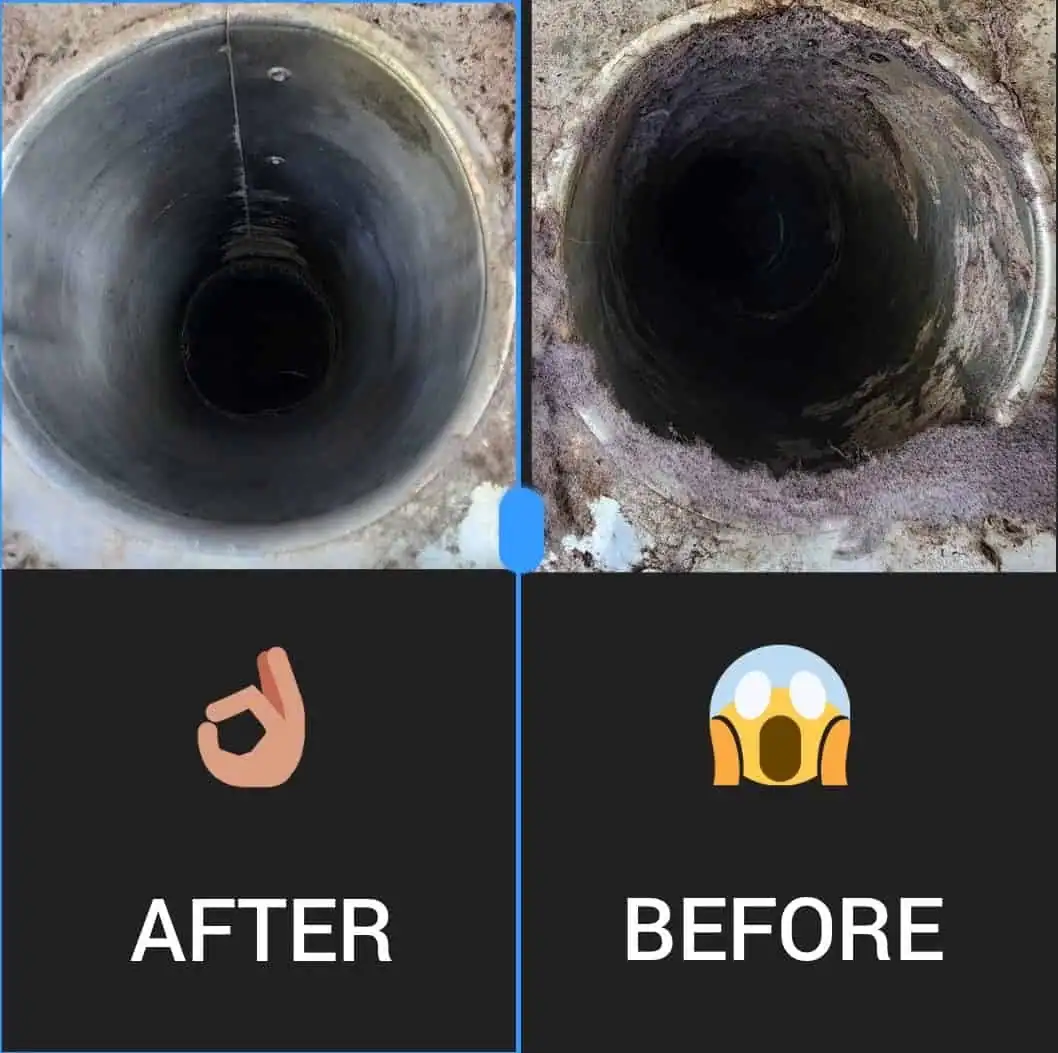
The final step is verification. Technicians re-inspect the ductwork to confirm it’s clean, check airflow at vents to ensure proper system function, and often provide before-and-after photos or video so you can see the difference. This documentation isn’t just for your peace of mind—it’s proof the job was done right.

When Professional Cleaning Makes the Most Sense
Certain situations call for professional service rather than DIY attempts. If you notice visible mold growth on duct surfaces or other HVAC components, that’s a clear signal. Mold requires specialized handling to remove safely without spreading spores throughout your home.
Pest infestations are another red flag. If you’ve had rodents or insects in your ductwork, they’ve left behind droppings, nesting materials, and other contaminants that pose health risks. Professional cleaning includes removing all this debris and sanitizing the affected areas.
Recent home renovations create a strong case for professional cleaning too. Construction generates enormous amounts of fine dust—drywall particles, sawdust, insulation fibers—that infiltrates your duct system. This debris is different from normal household dust and requires thorough removal to prevent it from circulating through your home for years.
For Reno homeowners specifically, post-wildfire season is an ideal time for professional cleaning. Even if you kept windows closed during smoke events, fine particulates infiltrate homes and settle in ductwork. These particles continue circulating long after outdoor air clears, affecting your indoor air quality throughout fall and winter.
If anyone in your household has allergies, asthma, or other respiratory conditions, professional cleaning can make a measurable difference in symptom management. The thoroughness of professional equipment in removing allergens, dust mites, and other irritants often provides relief that DIY cleaning can’t match.
Homes with pets benefit from professional service too. Pet dander accumulates in ductwork and recirculates constantly. While you can manage some of this with frequent filter changes, a deep professional cleaning removes the buildup that filters can’t catch.
The frequency recommendation varies, but most Reno homes benefit from professional cleaning every three to five years. If you have pets, someone with respiratory issues, or you’re dealing with Reno’s unique environmental challenges (wildfire smoke, desert dust, seasonal pollen), every two to three years makes more sense.
Making the Right Choice for Your Reno Home
DIY cleaning has its place for basic maintenance—changing filters, vacuuming vent covers, keeping visible areas clean. But when it comes to actually cleaning your duct system, professional service delivers results that household equipment simply can’t match.
In Reno, where wildfire smoke, desert dust, and seasonal air quality challenges create conditions unlike most other places, what’s in your ductwork matters more than you might think. Professional cleaning addresses the deep contamination that affects your family’s health, your HVAC efficiency, and your home’s air quality.
If you’re ready to breathe easier and give your HVAC system the thorough cleaning it needs, Home Safe Air Duct & Dryer Vent Cleaning brings over a decade of experience to Northern Nevada homes. We understand Reno’s specific challenges and use professional-grade equipment to deliver the results your home deserves.