Summary:
What Actually Accumulates in Your Air Ducts
Your HVAC system is essentially your home’s respiratory system. Air gets pulled in, conditioned, and pushed back out through a network of ducts hidden behind walls and ceilings. Along the way, particles from everyday life get trapped inside.
Dust is the obvious one. But in Reno, that’s not just household dust. It’s fine desert particles that blow in during windy days. It’s residue from wildfire smoke that seeps into homes during fire season. According to local air quality specialists, wildfire smoke and seasonal dust storms contribute significantly to what ends up circulating through Northern Nevada HVAC systems.
Then there’s biological growth. Mold and mildew thrive in the dark, sometimes damp environment of ductwork. The CDC reports that 50% of all HVAC systems show evidence of moisture buildup, creating ideal conditions for mold spores to develop and spread. Once mold takes hold, it releases spores into your air supply every time the system runs.
How Allergens and Pet Dander Circulate Through Your Home

If you have pets, you’re dealing with an additional challenge. Pet dander—microscopic pieces of skin shed by dogs and cats—doesn’t just settle on furniture. It gets pulled into your HVAC system and trapped in ductwork, where it accumulates over time.
The same thing happens with pollen. Even when you keep windows closed during allergy season, pollen enters your home on clothing, shoes, and through small gaps around doors and windows. Your HVAC system then distributes these allergens throughout every room. For families with allergies or asthma, this creates a cycle where symptoms persist year-round, not just during peak pollen season.
Dust mites add another layer to the problem. These microscopic creatures feed on dead skin cells and thrive in the dust that collects in ductwork. According to the Asthma and Allergy Foundation of America, dust mites may be the most common trigger of year-round allergies and asthma. You can’t see them, but their waste products become airborne and trigger allergic reactions in sensitive individuals.
Your HVAC system recirculates air through your home 5-7 times per day on average. That means whatever’s in your ducts—dust, dander, mold spores, pollen—is constantly being redistributed through the air you breathe. It’s not a one-time exposure. It’s ongoing, day after day, as long as those contaminants remain in your ductwork.
The impact shows up in different ways. Some people notice they’re dusting furniture more frequently but can’t figure out where all the dust is coming from. Others experience allergy symptoms that seem worse at home than outdoors. Parents might notice their kids waking up congested or coughing at night, even when they’re otherwise healthy.
For Reno families specifically, the combination of outdoor environmental stressors and indoor air quality issues creates a double burden. You’re dealing with wildfire smoke during fire season, desert dust during windy periods, and seasonal pollen—all on top of the typical household allergens like pet dander and dust mites. Your ductwork becomes a collection point for all of these contaminants, and your HVAC system keeps circulating them through your living spaces.
The Health Impact of Breathing Contaminated Indoor Air
The EPA estimates that Americans spend about 90% of their time indoors. That makes indoor air quality a bigger factor in your daily health than most people realize. When the air inside your home is contaminated with dust, allergens, and other pollutants, you’re exposed to those substances constantly—while you sleep, eat, work from home, and relax with your family.
For people with allergies or asthma, the effects are immediate and obvious. Sneezing, runny nose, itchy eyes, coughing, and congestion become daily occurrences. Asthma symptoms worsen, requiring more frequent use of rescue inhalers. Sleep quality suffers because lying down for eight hours in a bedroom with poor air quality means breathing contaminated air all night.
But even if you don’t have diagnosed allergies or asthma, poor indoor air quality affects you. Headaches, fatigue, and difficulty concentrating can all be linked to breathing air with elevated levels of dust and other contaminants. Your immune system stays on higher alert when constantly exposed to pollutants, bacteria, and mold spores, which can weaken your body’s ability to fight off other illnesses.
Children are particularly vulnerable. Their respiratory systems are still developing, and they breathe more air relative to their body weight than adults do. Exposure to poor indoor air quality during childhood has been linked to increased risk of developing asthma and other respiratory conditions. The elderly and people with existing health conditions also face higher risks from contaminated indoor air.
Research from the World Health Organization indicates that poor indoor air quality contributes to millions of premature deaths annually due to respiratory and cardiovascular diseases. While that represents extreme cases, it underscores how seriously indoor air quality affects human health. You might not see immediate dramatic effects, but the cumulative impact of breathing contaminated air day after day, year after year, takes a toll.
The good news is that addressing the source of the problem makes a real difference. When you remove accumulated contaminants from your ductwork, you stop the cycle of recirculation. Your HVAC system gets a fresh start, and the air circulating through your home becomes cleaner. Many people notice improvement in symptoms within days of having their ducts professionally cleaned—better sleep, fewer headaches, less congestion, and overall feeling more comfortable in their own homes.
How Air Duct Cleaning Improves HVAC Efficiency and Saves Money
Beyond health benefits, clean air ducts have a direct impact on your energy bills and HVAC system performance. When dust, debris, and other contaminants build up inside ductwork, they create resistance to airflow. Your heating and cooling system has to work harder to push air through those obstructed passages.
According to the U.S. Department of Energy, proper HVAC maintenance including air duct cleaning can reduce energy bills by 20-30%. Recent studies by the National Air Duct Cleaners Association show even more dramatic results, with some systems reducing fan and blower energy consumption by 41-60% after professional cleaning. That’s not a small difference—it’s a substantial reduction in how much energy your system uses to maintain comfortable temperatures.
The efficiency improvements show up in multiple ways. Your system reaches desired temperatures faster because air flows more freely through clean ducts. It doesn’t have to run as long to heat or cool your home. And because it’s not straining against restricted airflow, there’s less wear and tear on motors, fans, and other components.
The Connection Between Clean Ducts and Lower Energy Bills
Think about how your HVAC system works. Air gets pulled through return vents, conditioned by your heating or cooling equipment, then pushed through supply ducts to every room in your home. When those ducts are clogged with dust and debris, it’s like trying to breathe through a straw—everything requires more effort.
Your system compensates by running longer and working harder. The fan motor uses more electricity to overcome the resistance. Your furnace or air conditioner cycles more frequently to maintain the temperature you’ve set on your thermostat. All of that extra work translates directly to higher energy consumption and bigger utility bills.
Clean ducts allow air to move freely. Your system doesn’t have to fight against obstructions. It operates the way it was designed to, using only the energy necessary to condition and distribute air throughout your home. For Reno homeowners who run heating or cooling systems much of the year, even small efficiency improvements add up to meaningful savings over time.
The savings aren’t just theoretical. Homeowners who invest in professional air duct cleaning typically notice lower energy bills within the first month or two. Some see immediate differences—their system runs less frequently, rooms reach comfortable temperatures faster, and monthly utility costs drop. Over the 3-5 year period between cleanings, those savings can offset the cost of the service and put money back in your budget.
There’s also the avoided cost of premature HVAC replacement to consider. A new heating and cooling system typically costs between $5,000 and $10,000. When your system is constantly working harder than it should because of dirty ducts, it wears out faster. Components break down. You face more frequent repair calls. Eventually, you’re looking at replacement years earlier than necessary.
Clean ducts help extend your HVAC system’s lifespan. Less strain means less wear and tear. Your equipment lasts longer, operates more reliably, and requires fewer repairs. That’s value that compounds over time—not just in lower monthly energy bills, but in delaying major replacement expenses that can seriously impact your household budget.

When Air Duct Cleaning Makes Sense for Reno Homes
The National Air Duct Cleaners Association recommends professional air duct cleaning every 3-5 years for most homes. But certain situations warrant more frequent attention, and Reno’s unique environment creates some of those conditions.
If you have pets, you’re dealing with constant shedding. Pet hair and dander accumulate in ductwork faster than in homes without animals. Families with multiple pets or breeds that shed heavily should consider cleaning every 2-3 years instead of waiting the full five years.
Anyone in your household with allergies or asthma benefits from more frequent cleaning. When respiratory symptoms are an ongoing concern, reducing the allergen load in your ductwork makes a noticeable difference in daily comfort and health. Many families find that cleaning every 2-3 years helps keep symptoms under control.
Home renovations generate massive amounts of dust. Drywall dust, sawdust, and other construction debris get pulled into your HVAC system during projects. Even if contractors try to contain the mess, fine particles make their way into ductwork. After any significant renovation, schedule a cleaning to remove that construction dust before it circulates through your home for months or years.
Reno’s environmental challenges also factor into timing. If you’ve dealt with heavy wildfire smoke during fire season, that residue has likely infiltrated your home and settled in your ductwork. The same goes for periods of intense dust storms or unusually high pollen counts. When outdoor air quality issues affect your area, your indoor air quality suffers too, and your ducts collect those contaminants.
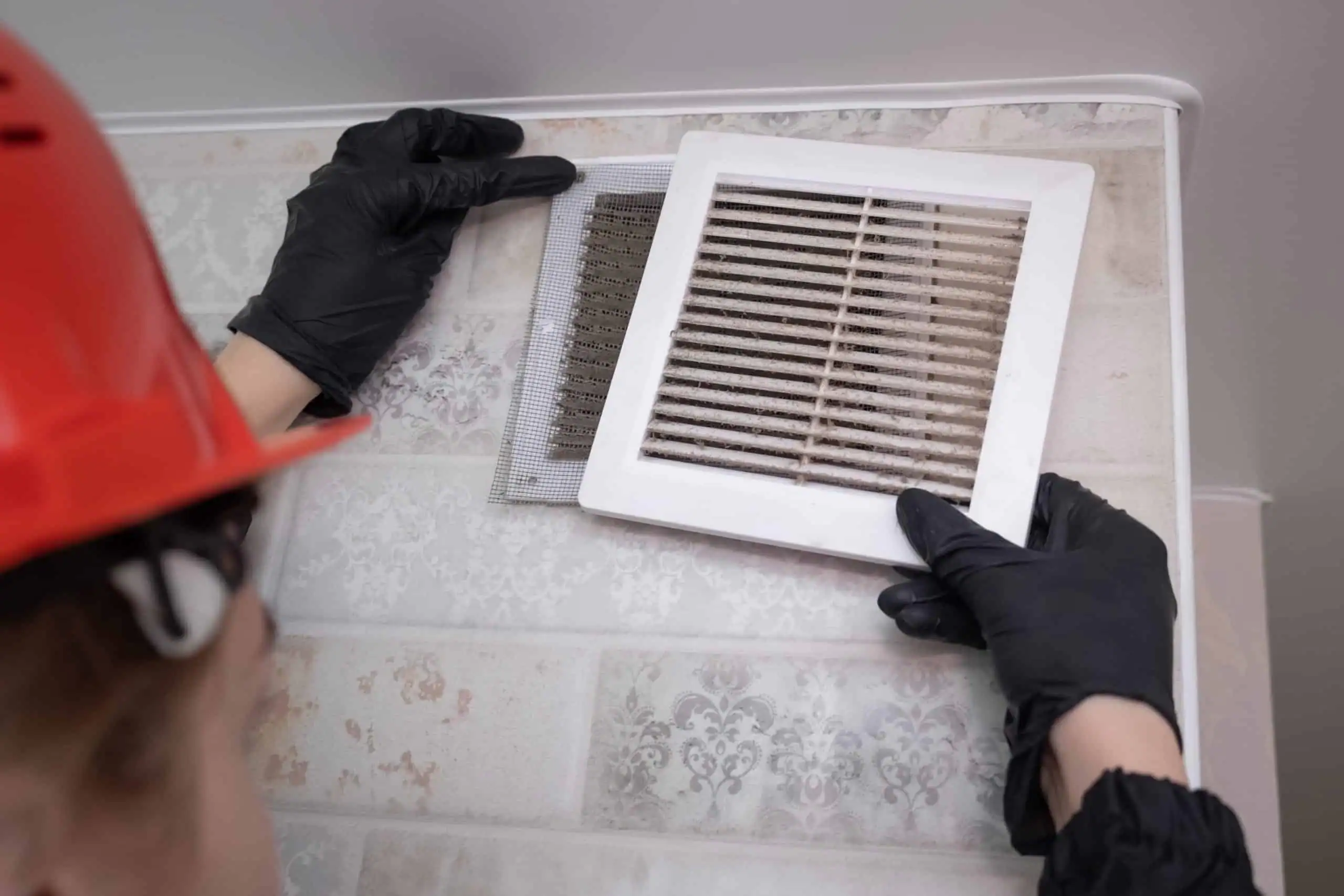
Visual signs tell you when cleaning is overdue. If you see dust puffing out from vents when your system starts up, that’s debris being blown into your living spaces. Visible dust or debris around vent covers means there’s buildup inside the ductwork. Musty odors when the system runs often indicate mold growth somewhere in the duct system.
You might also notice your HVAC services aren’t performing like they used to. Rooms that were once comfortable now feel stuffy. Temperature is uneven—some areas too hot, others too cold. The system runs constantly but struggles to maintain the temperature you’ve set. These are all signs that restricted airflow from dirty ducts is affecting performance.
For most Reno homes, professional cleaning every 3-5 years makes sense. But if you have pets, family members with allergies or asthma, or if you’ve recently dealt with wildfire smoke exposure or home renovations, more frequent cleaning protects both your health and your HVAC investment. The relief in symptoms and improvement in system performance are often noticeable immediately, making it clear the investment was worthwhile.
Protecting Your Indoor Air Quality in Reno
Your home should be where you breathe easiest. When dust, allergens, mold spores, and other contaminants accumulate in your ductwork, you’re fighting an invisible problem that affects your family’s health every single day. Every time your heating or cooling runs, those pollutants circulate through every room.
Regular air duct cleaning addresses the source. It removes the accumulated debris that your HVAC system keeps redistributing through your home. For Reno families dealing with wildfire smoke residue, seasonal dust, and the unique challenges of Northern Nevada’s climate, professional duct cleaning becomes an important investment in indoor air quality and long-term health.
The duct cleaning benefits extend beyond just cleaner air. You’ll likely see lower energy bills as your system operates more efficiently. Your HVAC equipment will last longer with less strain on components. And most importantly, your family breathes healthier air in the place where you spend most of your time.
We bring over a decade of experience to Reno homes, using hospital-grade cleaning solutions and professional equipment designed to remove the contaminants affecting your indoor air. If you’re dealing with persistent allergies, visible dust around vents, or just want to ensure your family is breathing clean air, professional duct cleaning makes a real difference you can feel.