Summary:
Your dryer shouldn’t need two or three cycles to finish a load of towels. It shouldn’t make your laundry room feel like a sauna. And it definitely shouldn’t smell like something’s burning.
When these things start happening, most people assume their dryer is getting old or broken. But the real problem is usually hiding in plain sight—your dryer vent is clogged, and it’s getting worse every time you run a load.
In Reno, where desert dust mixes with normal lint buildup, this problem develops faster than in most other places. The good news is that a clogged vent gives you plenty of warning before it becomes dangerous. You just need to know what to look for.
What Happens When Your Dryer Vent Gets Clogged
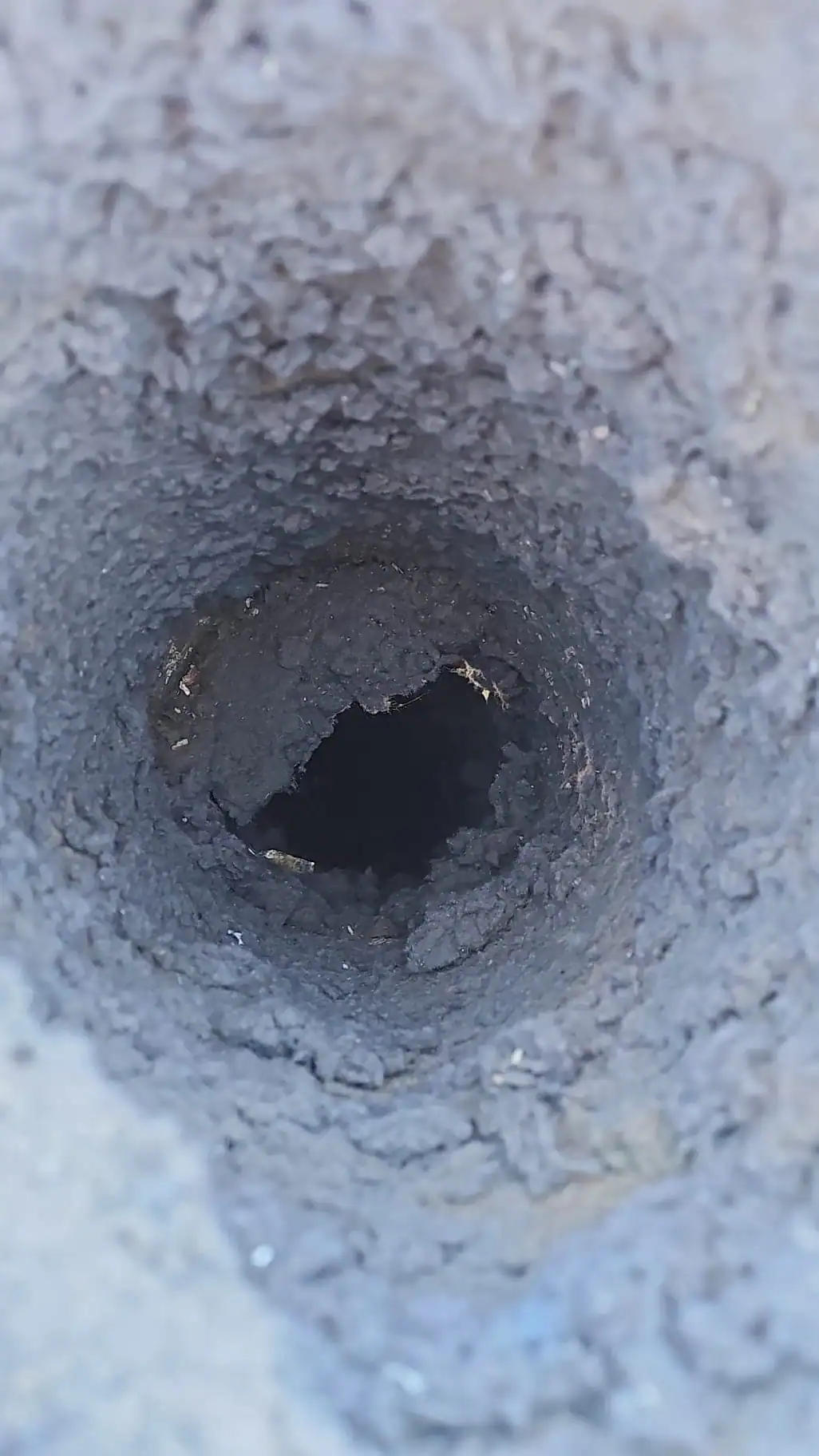
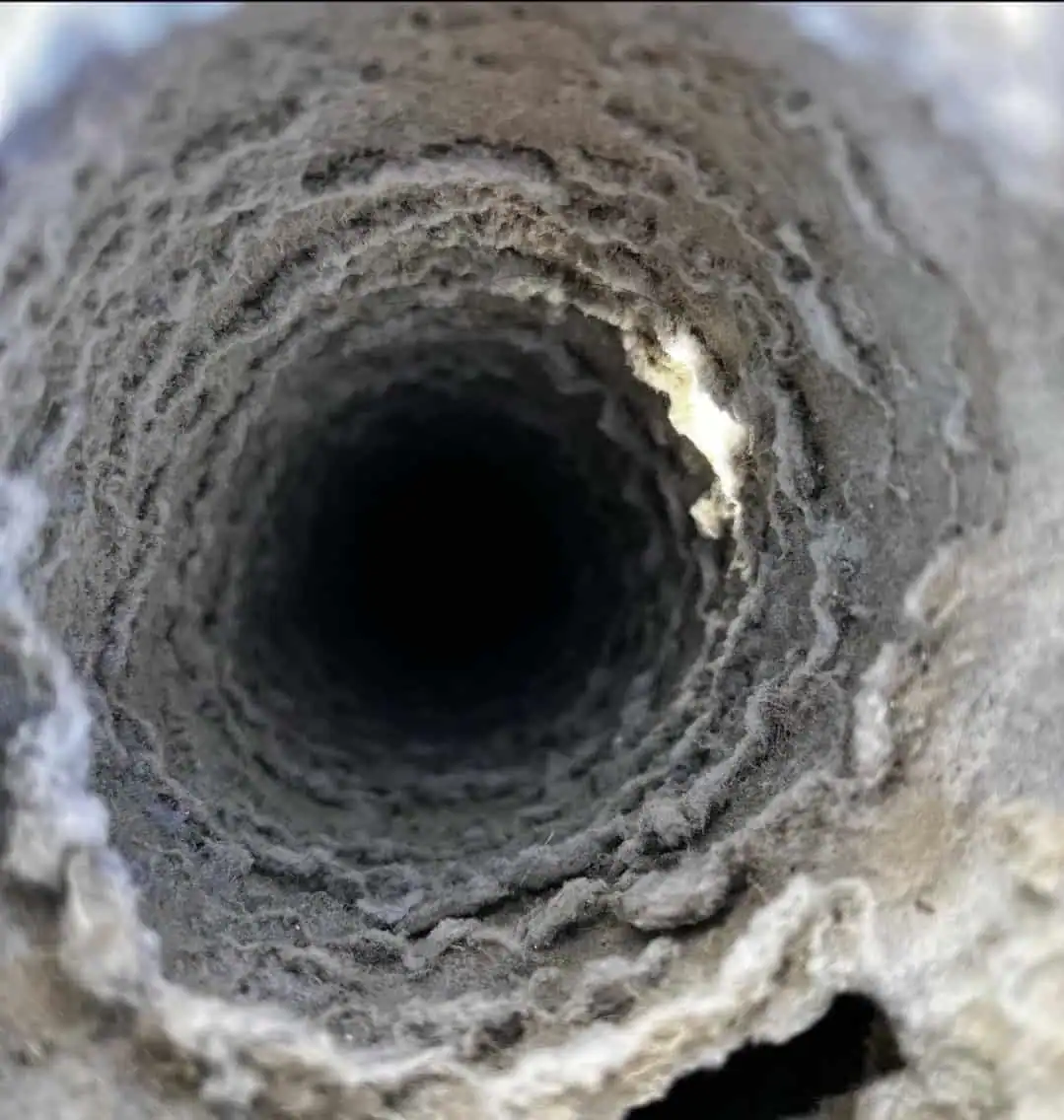
Every time you dry clothes, tiny fibers break off and travel through your dryer. Your lint trap catches some of it, but not all. The rest moves into the vent system, where it sticks to the walls and slowly builds up over time.
In Reno’s dry climate, this happens faster than you’d expect. The low humidity creates more static electricity, which makes lint cling to vent walls more aggressively. Desert dust gets pulled into the system too, mixing with the lint to create a thick, stubborn buildup that’s particularly easy to ignite.
When enough lint accumulates, airflow gets restricted. Your dryer can still heat up, but it can’t push hot, moist air out like it’s supposed to. That trapped heat and moisture is what causes all the problems you’re about to see.
Your Clothes Take Forever to Dry
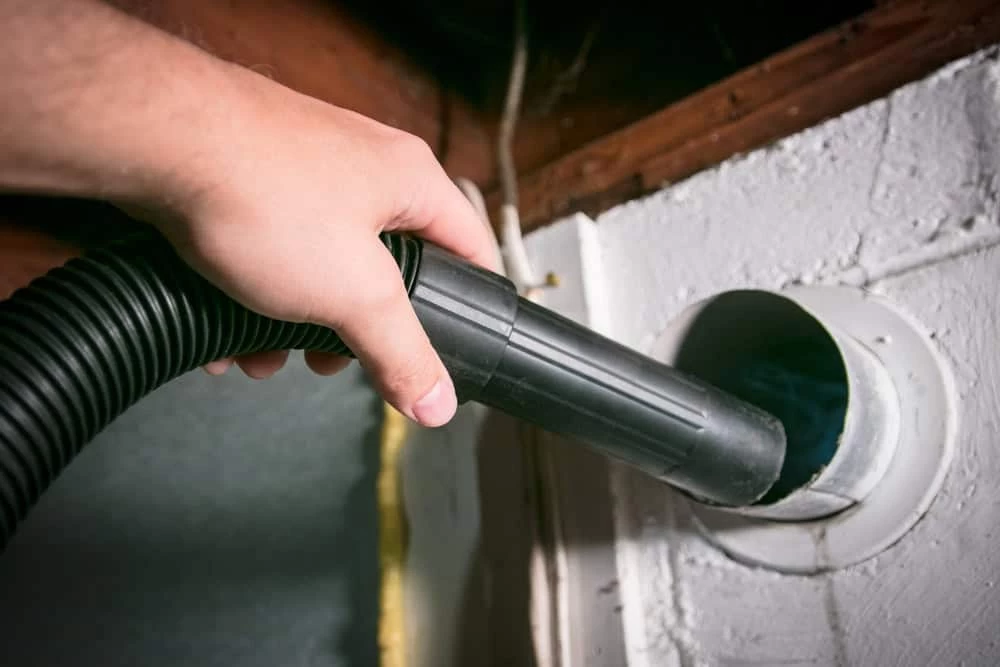
This is the warning sign most Reno homeowners notice first. A load that used to dry in 45 minutes now takes 60, 75, or even 90 minutes. You find yourself running two or three cycles just to get towels completely dry.
What’s happening is simple but frustrating. When your vent is clogged, moist air can’t escape. It just circulates inside the drum, which means your clothes stay damp no matter how long the dryer runs. The machine is working fine—it’s heating normally and the drum is tumbling—but without proper airflow, it can’t actually remove the moisture.
Some people try switching to timed dry instead of auto-sensing cycles, thinking that’ll solve it. It doesn’t. You’re just forcing the dryer to run longer, which wastes even more energy and puts extra strain on the heating element and motor.
If you’re noticing this pattern, your vent is telling you it needs attention. The longer you wait, the worse it gets. That extra 30 minutes per load adds up fast on your energy bill. Over a year, a clogged vent can cost you $180 to $300 in wasted electricity or gas.
Beyond the money, there’s the time. If you’re doing five loads a week and each one takes an extra 30 minutes, that’s two and a half hours of your life spent waiting for laundry that should’ve been done already.
The fix is straightforward—professional dryer vent cleaning restores proper airflow so clothes dry in one normal cycle again. Most Reno homeowners notice the difference immediately on their very first load after cleaning.
You Smell Something Burning When the Dryer Runs
A burning smell from your dryer isn’t something to ignore or write off as normal. It’s one of the most serious warning signs of a clogged vent, and it means you’re dealing with a legitimate fire hazard.
Here’s what’s happening. Lint is highly flammable—it ignites easily and burns fast. When airflow is restricted, heat builds up inside the dryer and the vent system. That trapped heat can get hot enough to cause lint to smolder or even catch fire.
Sometimes the smell is faint and dusty. Other times it’s sharp and acrid, like burning fabric or melting plastic. Either way, it means lint is getting too hot somewhere in your system.
The smell might come and go. You’ll notice it during a cycle, then it disappears when the dryer stops. That doesn’t mean the problem went away. It means the lint cooled down before it fully ignited—this time.
Dryer fires are more common than most people realize. According to the National Fire Protection Association, failure to clean dryer vents accounts for 33% of all dryer fires. In the United States, a dryer fire occurs every 37 minutes. Most of these fires could’ve been prevented with regular vent cleaning.
If you’re smelling anything burning when your dryer runs, stop using it immediately. Don’t run another load until you’ve had the vent professionally inspected and cleaned. The small cost of cleaning is nothing compared to the damage a house fire can cause.
In Reno’s climate, where the combination of desert dust and lint creates an especially flammable mixture, this risk is even higher than in more humid areas. The dry conditions mean everything ignites more easily once it reaches a critical temperature.
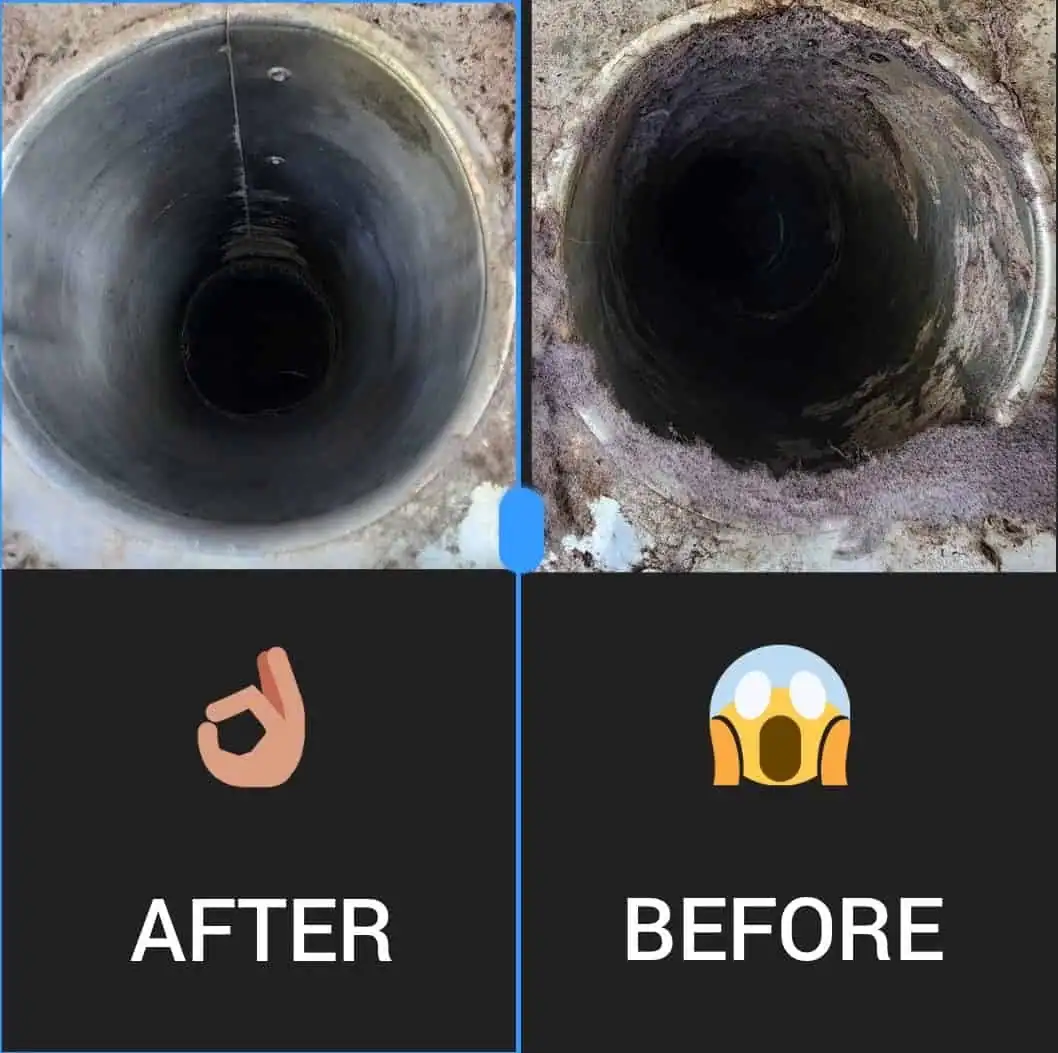
Professional cleaning removes all that accumulated lint from your entire vent system—from the back of your dryer all the way to the exterior vent opening. It eliminates the fire hazard and gives you peace of mind that your family is safe.
More Warning Signs Your Dryer Vent Is Clogged
Beyond long drying times and burning smells, there are several other warning signs that your dryer vent is clogged. Most Reno homeowners don’t notice just one symptom—they see a combination of issues that develop gradually over time.
The key is recognizing these patterns early, before a minor inconvenience turns into an expensive repair or a dangerous situation. Your dryer is designed to give you plenty of warnings. You just need to know what you’re looking at.
Here are the other major signs that tell you it’s time to call for professional dryer vent cleaning in Reno, NV.
Your Dryer and Clothes Feel Excessively Hot
When you pull clothes out of the dryer, they should be warm and dry—not scorching hot to the touch. If your laundry feels uncomfortably hot, or if the outside of the dryer itself is hot enough that you can’t comfortably rest your hand on it, that’s a clear sign of restricted airflow.
A properly functioning dryer vents most of its heat outside through the exhaust system. When that system is clogged, heat gets trapped inside the drum and the dryer cabinet. The machine compensates by running hotter than it’s designed to, which puts stress on every component.
This excessive heat doesn’t just make your clothes uncomfortable to handle. It also damages the fabric. Extended exposure to high temperatures breaks down fibers faster, causing your clothes to wear out prematurely. You’ll notice colors fading, elastic losing its stretch, and fabrics getting thin or developing holes.
The overheating also affects your dryer’s internal components. Heating elements burn out faster. Thermal fuses blow, leaving your dryer completely inoperable until they’re replaced. Motors overheat and fail. These aren’t cheap repairs, and they’re entirely preventable with regular vent maintenance.
If your laundry room feels unusually hot and humid while the dryer is running, that’s another red flag. The room shouldn’t feel like a sauna. That trapped moisture and heat means the exhaust isn’t venting properly.
In Reno’s already warm climate, especially during summer months, an overheating dryer makes your laundry room unbearable. It also forces your air conditioning to work harder to cool the rest of your house, which drives up your cooling costs on top of the energy your dryer is already wasting.
Professional cleaning restores normal operating temperatures. Your dryer runs cooler, your clothes last longer, and your laundry room becomes comfortable again.
Lint Is Piling Up in Strange Places
You clean your lint trap after every load—or at least you’re supposed to. But if you’re finding lint in places it shouldn’t be, that’s a strong indicator your vent system is clogged.
Look around your dryer area. Is lint accumulating on the floor behind or around the machine? Are you seeing it on your clothes after they’ve been dried? Is there visible lint around the dryer door or stuck to the outside of the vent hose?
These are all signs that lint is escaping from places it normally wouldn’t. When the vent is clogged, pressure builds up inside the system. That backpressure forces lint to find other ways out—through gaps in the vent connection, around the dryer door seal, or back into the drum where it sticks to your clothes.
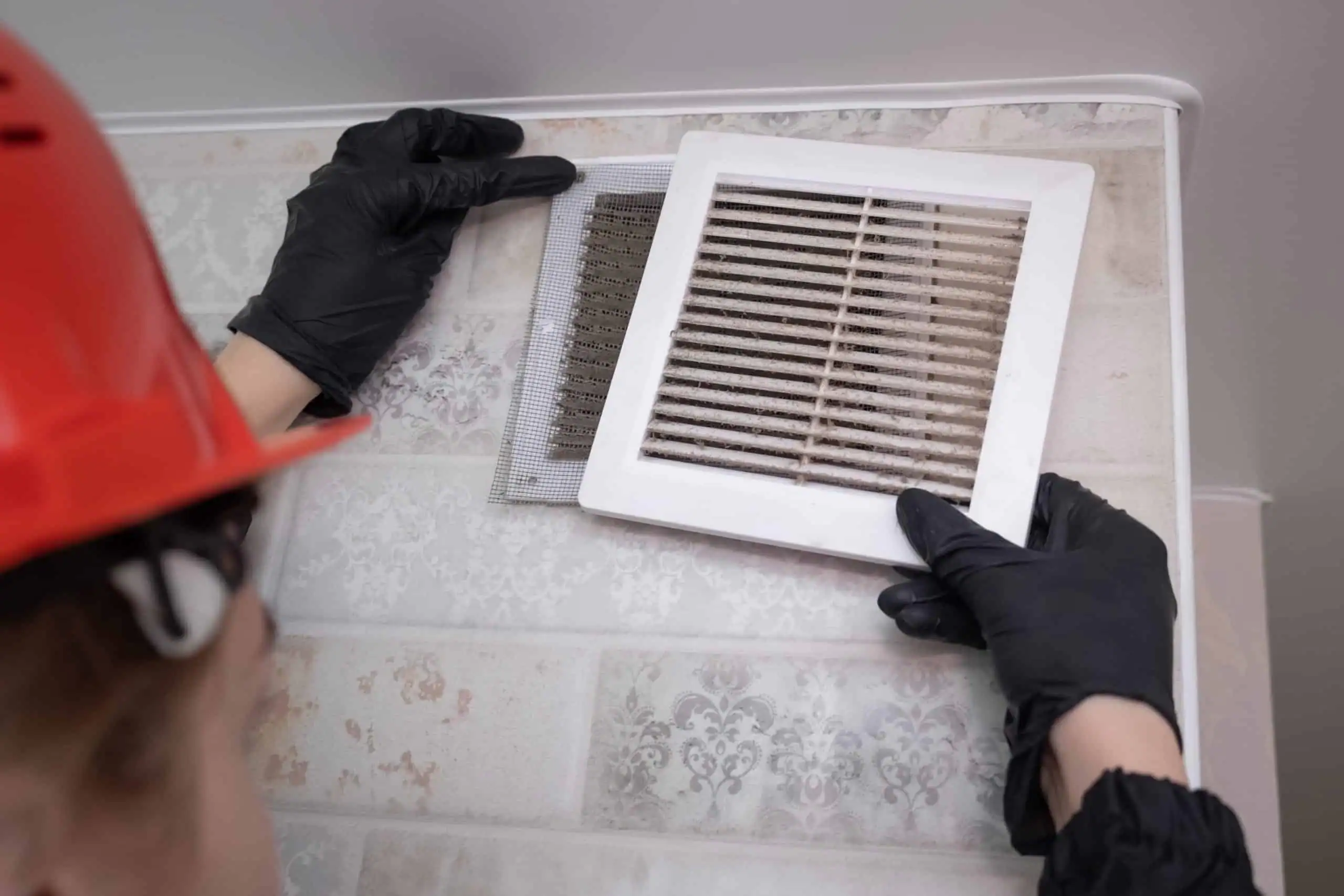
Go outside and check your exterior vent opening. You should see a vent cover with a flap that opens when the dryer runs and closes when it stops. If lint is visible around the outside of that vent cover, or if the flap doesn’t open fully during a drying cycle, your vent is partially or completely blocked.
Sometimes you’ll notice that your lint trap seems cleaner than usual. That might sound like a good thing, but it’s actually concerning. It can mean lint is bypassing the trap entirely and getting trapped deeper in the vent system where you can’t see it or reach it.
In Reno’s dusty environment, you might also notice a gritty, sandy texture to the lint buildup. That’s desert dust mixing with the normal lint, creating a denser, stickier accumulation that’s harder to remove and more likely to cause blockages.
Excess lint buildup is more than just messy—it’s dangerous. Lint is one of the most flammable materials in your home. The U.S. Fire Administration reports that lint and dust are the materials most commonly ignited in dryer fires.
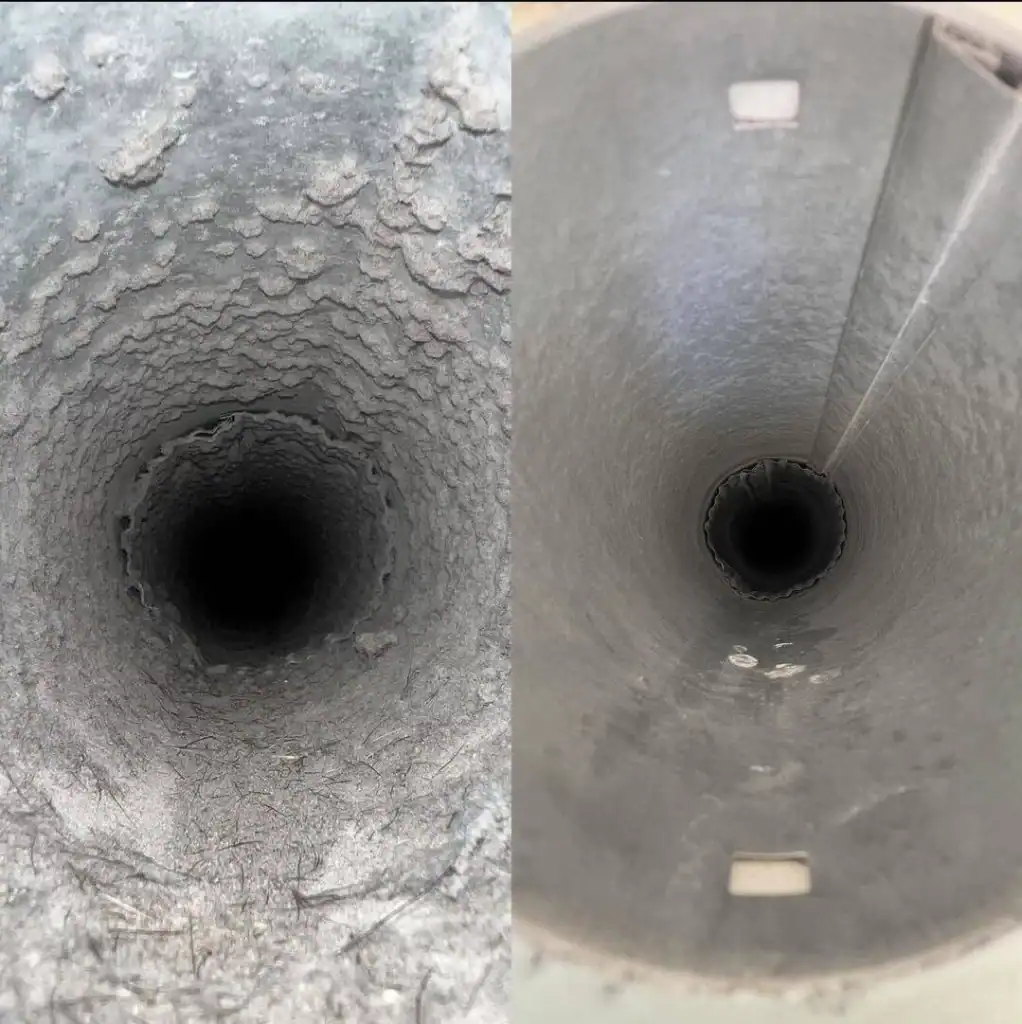
Professional dryer vent cleaning removes all this accumulated lint from every part of your system. We use specialized equipment to reach areas you can’t access with DIY methods, ensuring the entire vent line is clear from the dryer to the outside termination point.
When to Call for Dryer Vent Cleaning in Reno
If you’re seeing any of these warning signs—longer drying times, burning smells, excessive heat, or lint in strange places—your dryer vent needs professional attention. The sooner you address it, the safer your home will be and the more money you’ll save on energy bills.
Most Reno homeowners should have their dryer vents professionally cleaned at least once a year. But given Northern Nevada’s unique climate conditions—the desert dust, low humidity, and static electricity that accelerates lint buildup—many homes benefit from cleaning twice a year, especially if you’re doing more than eight loads of laundry per week.
At Home Safe Air Duct & Dryer Vent Cleaning, we bring over a decade of experience to Reno homeowners who refuse to compromise on safety. We understand how Reno’s climate affects dryer vent systems and use professional-grade equipment to clean the entire system thoroughly, not just the easy-to-reach parts. With transparent pricing and owner Jorge Mendoza personally overseeing every job, you get consistent quality and honest service without surprise fees or upselling tactics.