Summary:
Most people clean the lint trap and call it done. That’s understandable — it’s the part you can see. But the lint trap only catches a fraction of what your dryer produces. The rest travels deeper into the exhaust duct, and in a city like Reno, it doesn’t stay loose for long. Desert dust, wildfire smoke particulate, and the Washoe Zephyr pushing debris into your exterior vent cap all work together to create blockages that form faster and pack tighter than they would almost anywhere else. This guide covers what’s actually happening inside your vent system, what a proper cleaning looks like, and what to watch out for when hiring someone to do the job.
Why Dryer Vent Fire Risk Is Higher in Reno Than Most U.S. Cities
U.S. fire departments respond to an estimated 14,630 to 15,970 home structure fires involving clothes dryers every year, and the leading cause isn’t a faulty appliance — it’s failure to clean the venting system. On average, a dryer fire occurs somewhere in this country every 37 minutes.
Reno adds its own layer to that risk. Nevada is the driest state in the nation, and the Sierra Nevada acts as a moisture barrier — by the time Pacific air crosses the mountains and reaches the Truckee Meadows, it’s already shed its moisture on the western slopes. What arrives in Reno is dry, warm, and dust-carrying. That environment changes how lint behaves inside your vent duct in ways most homeowners never consider.
How Reno's Desert Air, Dust, and Wildfire Smoke Make Lint More Dangerous

In humid climates, lint tends to clump near the dryer and stay put. In Reno’s dry air, it stays loose and travels — moving deeper into the duct system with every cycle. That sounds like it might be less of a problem, but it’s actually worse. Dry lint is more flammable than moisture-laden lint, and when it settles deep in a long duct run, it’s far harder to remove with a basic brush kit from the hardware store.
Then there’s the dust. Fine particulate matter from the Smoke Creek Desert and Black Rock Desert blows into the Truckee Meadows regularly, and some of it finds its way into your exterior dryer vent opening. Once inside, it mixes with lint and creates a denser, stickier compound that accumulates faster than lint alone. It’s not just lint you’re dealing with — it’s a combination of materials that packs tighter and resists airflow more aggressively.
Wildfire smoke season — which typically runs from July through October in Northern Nevada — adds another layer. When smoke from regional fires settles over Reno, it carries fine PM2.5 particulate that infiltrates any exterior opening, including your dryer vent cap. That residue bonds with lint inside the duct and doesn’t simply blow out on its own. If your vent hasn’t been cleaned since last wildfire season, there’s a reasonable chance it’s carrying compound buildup that a visual inspection from the outside would never reveal.
The Washoe Zephyr creates a separate problem entirely. Reno’s famous high-wind events — gusts that can hit 60 miles per hour or more — don’t just knock over patio furniture. They actively push debris, dust, and plant material into exterior vent terminations, creating blockages that form from the outside in. Most homeowners think about blockages building up from the dryer end. In Reno, you can get them from both directions simultaneously.
Warning Signs Your Dryer Vent Is Already Blocked
The frustrating reality is that a dryer vent can be 70 to 80 percent blocked before you notice any meaningful performance change. By the time symptoms show up, the fire risk is already well established. That said, the warning signs are worth knowing.
The most common one is drying time. If your clothes are routinely taking two full cycles to dry — or if a load that used to finish in 45 minutes is now taking 75 — that’s your dryer working harder to push exhaust through a partially blocked duct. It’s not always a sign the appliance is failing. Often, it’s the vent.
A burning smell from the laundry room is a more urgent signal. Lint is flammable. When it’s packed around a heating element or deep in a duct that’s running hot, you can sometimes smell it before anything ignites. Don’t dismiss that smell as a quirk of the appliance. It warrants a call.
Heat is another one. If your laundry room feels noticeably warmer than the rest of the house while the dryer is running, exhaust isn’t escaping the way it should. That heat has to go somewhere, and if it’s backing up into the room, it’s also backing up into the duct. For homeowners with gas dryers, a blocked vent carries an additional risk beyond fire: combustion gases, including carbon monoxide, can be pushed back into the living space when the exhaust pathway is restricted.
Some homeowners notice that clothes feel unusually hot at the end of a cycle, or that the dryer itself is hot to the touch on the exterior. Others notice the exterior vent flap isn’t opening the way it should when the dryer runs. Any of these, individually or together, are worth taking seriously — not as proof of imminent danger, but as a reasonable prompt to have the system inspected and cleaned.
What Professional Dryer Vent Cleaning in Reno Actually Involves
There’s a wide gap between legitimate professional dryer vent cleaning and what some companies actually deliver. Understanding the difference protects you from wasting money — and from assuming your vent is clean when it isn’t.
A proper cleaning starts with a full inspection of the vent system: where it runs, how long it is, how many bends it makes, what material it’s made of, and whether the exterior termination cap is functioning correctly. That inspection matters because the cleaning approach depends on what we find. A 6-foot straight run is a different job than a 20-foot run with three 90-degree bends — which is common in older Reno neighborhoods like Midtown or the Old Southwest, where homes were built in the 1950s through 1980s and vent paths weren’t always designed with cleaning access in mind.
How to Tell the Difference Between a Real Cleaning and a "Blow-and-Go" Scam
The dryer vent cleaning industry has a well-documented fraud problem. You’ve likely seen the ads — $99 whole-house duct cleaning, sometimes door-to-door, sometimes on social media. The business model is simple: show up, run a basic vacuum near the vent opening for 20 minutes, collect payment, and move on. The duct looks no different than before, but the customer has no way to verify that.
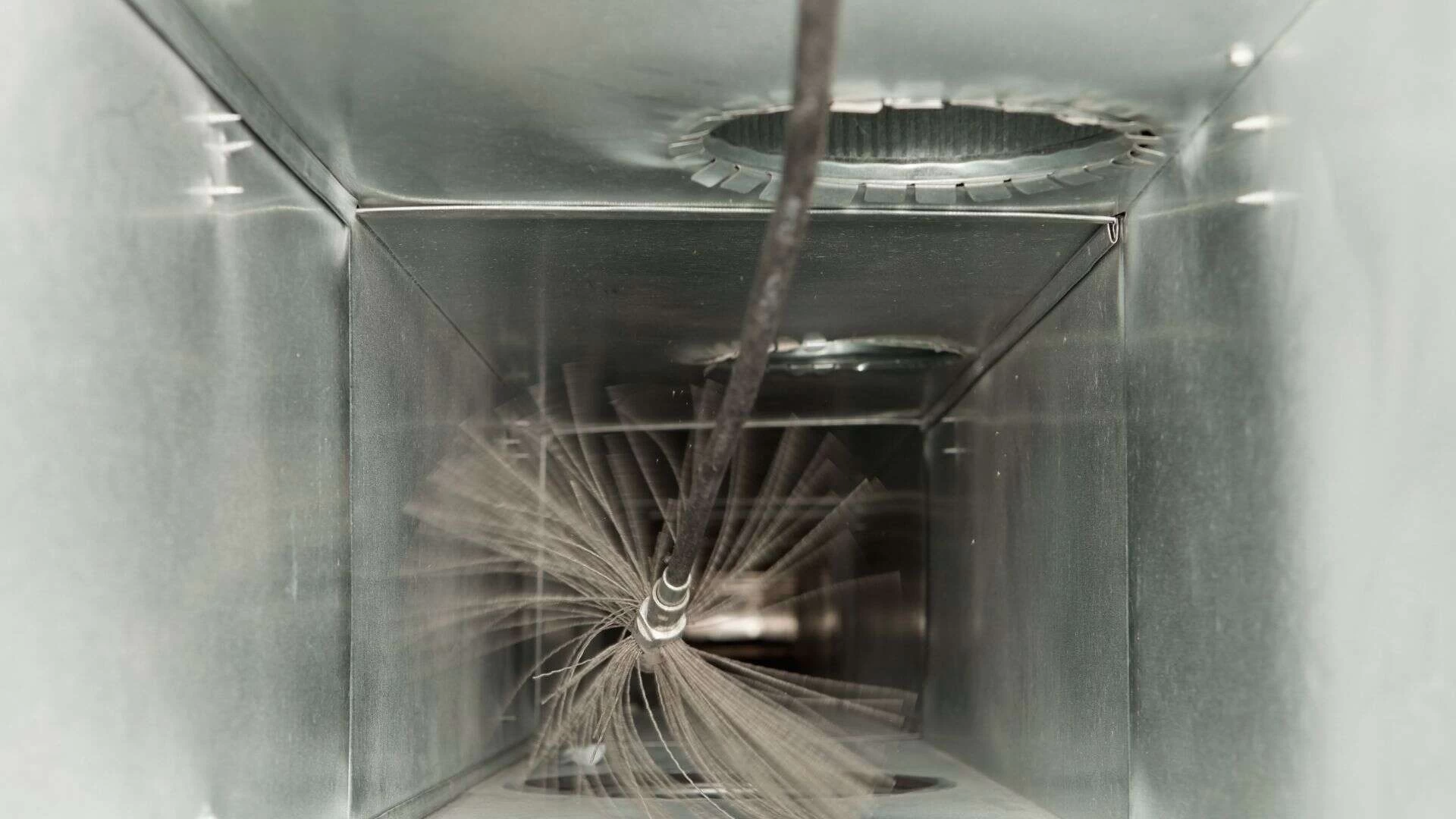
A legitimate residential dryer vent cleaning takes 45 to 90 minutes for a standalone dryer vent job. We use a rotary brush system to mechanically agitate and dislodge compacted lint throughout the entire duct run — not just near the dryer. That dislodged material is then extracted using professional-grade equipment, not a shop vac. After cleaning, we test airflow to confirm the duct is actually clear, and we inspect the exterior termination cap to make sure it opens and closes properly and isn’t obstructed.
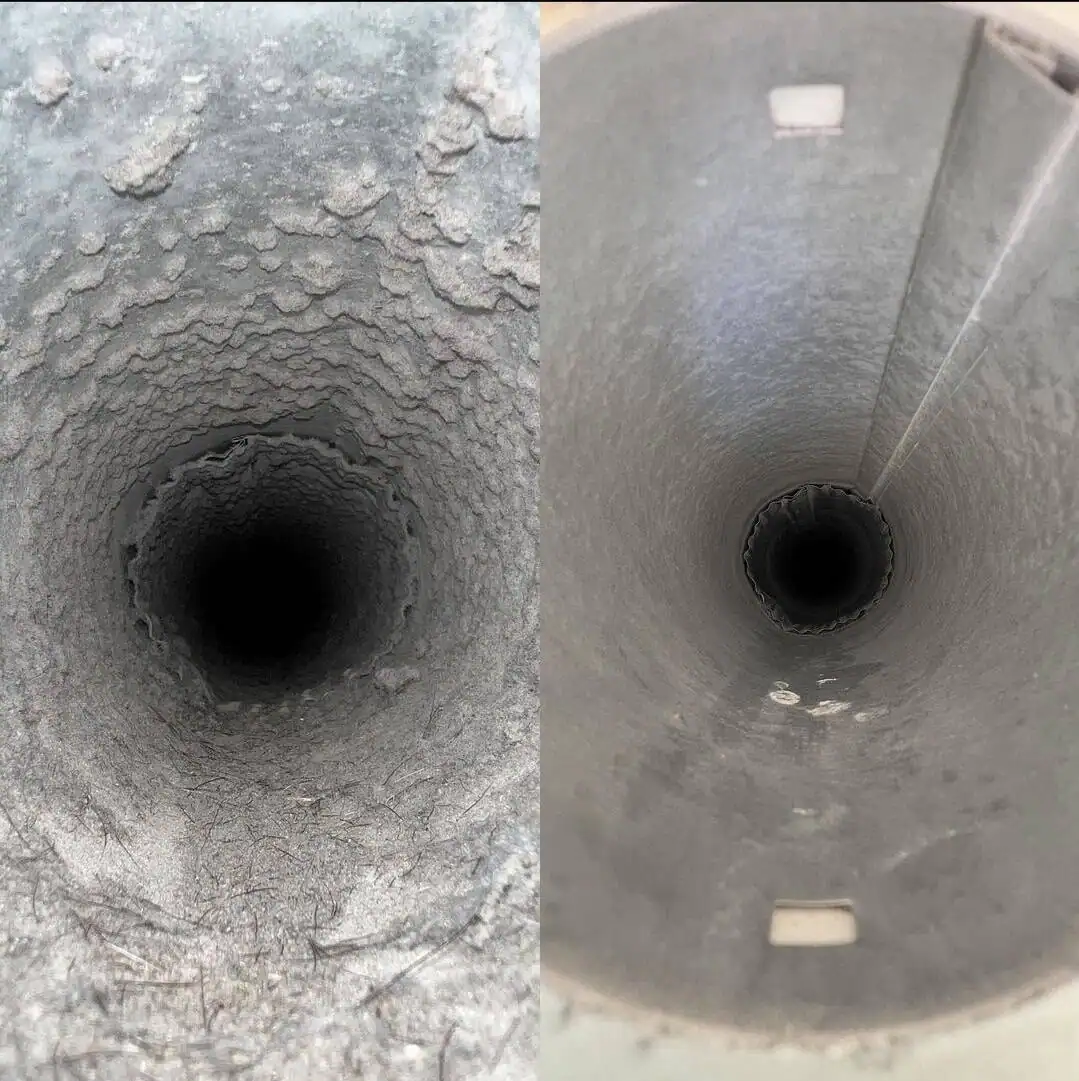
Before and after photos should be standard. If a company doesn’t offer them, you have no way of knowing what, if anything, changed. We document every job with photos so you can see exactly what came out of your vent system — because “trust us, it’s clean” isn’t good enough when the alternative is a house fire.
The price point is also a reliable signal. Legitimate residential dryer vent cleaning typically runs in the range of $100 to $175 for a standard job. A company advertising $49 or $79 specials is either planning to upsell aggressively once they’re inside, or they’re not doing the work properly. Neither outcome is worth the discount.

Questions Reno Homeowners Ask Before Scheduling a Dryer Vent Cleaning
One of the most common questions we hear is some version of: “How often do I actually need this done?” The honest answer is at least once a year — that’s the NFPA recommendation, and it’s the right baseline for most households. But in Reno, NV, several factors can push that to twice a year. If you run multiple loads per day, have a longer-than-average vent run, went through a heavy wildfire smoke season, or haven’t had the vent cleaned since moving in, annual cleaning is a floor, not a ceiling. Newer homes in areas like South Meadows or Damonte Ranch often have longer vent runs due to how the homes are laid out — and longer runs accumulate lint faster.
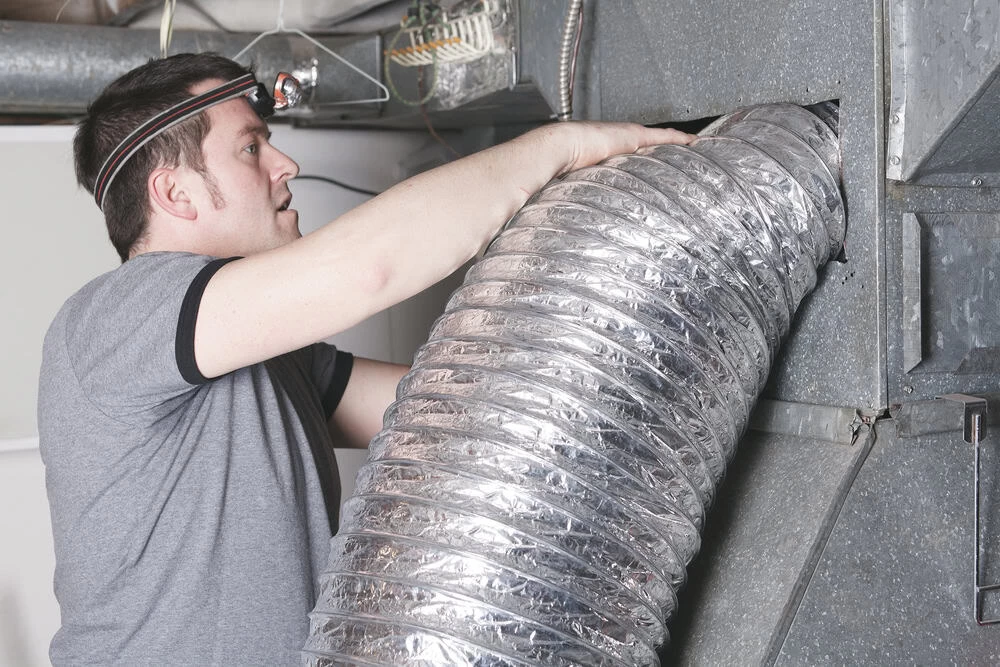
Another question we get regularly: “Can’t I just do it myself?” For a short, straight vent run — say, 6 feet with no bends — a quality brush kit can do a reasonable job. But most Reno homes don’t have that setup. Homes in established neighborhoods often have vents that snake through walls or make multiple turns before reaching an exterior wall. DIY kits can’t navigate those bends effectively, can’t test airflow after cleaning, and can’t inspect the termination cap from the outside. You might clean the first few feet and feel like you’ve handled it, while the rest of the duct stays packed. That’s a false sense of security in a situation where the consequences of getting it wrong are significant.
We’re also asked fairly often about whether the cleaning process is disruptive or messy. It isn’t. The job is self-contained — lint and debris are extracted directly into our equipment, not scattered around your laundry room. Most jobs are done in under 90 minutes, and we walk you through what we found before we leave. If there’s something worth knowing — a vent that’s too long, a section of flexible foil duct that should be replaced with rigid metal, an exterior cap that isn’t sealing properly — we’ll tell you plainly, without pressure.
If you moved to Reno from California, this one’s worth noting specifically: the way lint behaves in coastal or Bay Area humidity is genuinely different from how it behaves in the high desert. Homeowners who went years without cleaning their vents in a more humid climate and never had a problem sometimes assume the same schedule applies here. It doesn’t. The dryness that makes Reno’s summers so pleasant is the same dryness that makes your dryer vent a faster-accumulating fire hazard.
Finding a Dryer Vent Cleaning Company in Reno, NV You Can Actually Trust
The bar for hiring someone to clean your dryer vent should be higher than most people set it. You want a company that’s been around long enough to have a real track record, that can show you what they found and what they removed, and that charges you what they quoted without surprises at the door. A named owner who stands behind the work matters. So do verified reviews, proper licensing and insurance, and a willingness to explain what we’re doing and why.
Home Safe Air Duct & Dryer Vent Cleaning was built on exactly that standard. Our owner, Jorge Mendoza, started this company after a friend’s house caught fire from a dryer vent that had never been cleaned. That’s not a marketing line — it’s the reason we exist. With over a decade of experience, 500-plus five-star reviews, and a commitment to transparent pricing and documented results, we bring the same standard of work to every home we service in Reno.
If you’re a Reno homeowner and you’re not sure when your dryer vent was last cleaned — or if it ever has been — that’s reason enough to reach out to us and get a straight answer.