Summary:
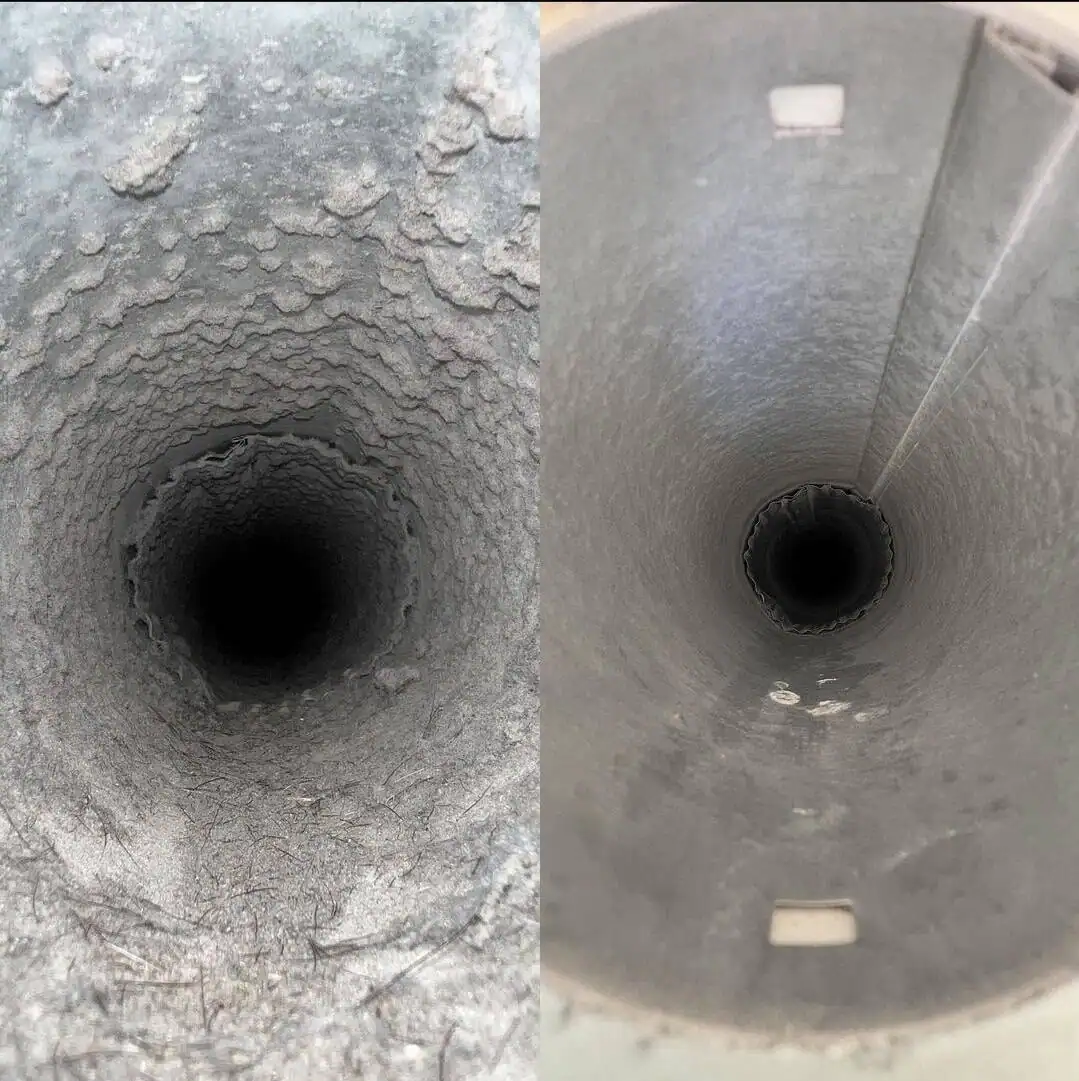
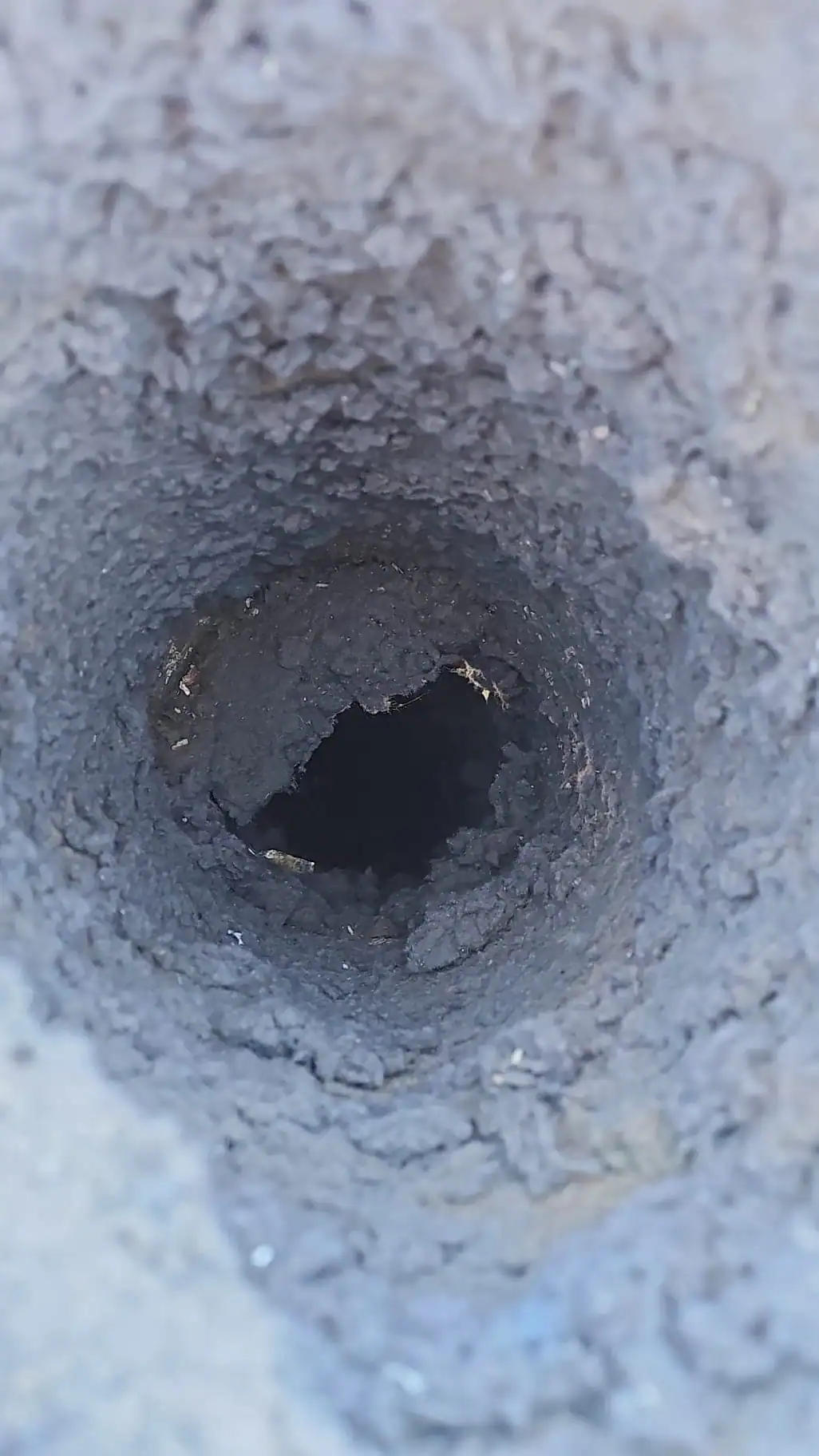
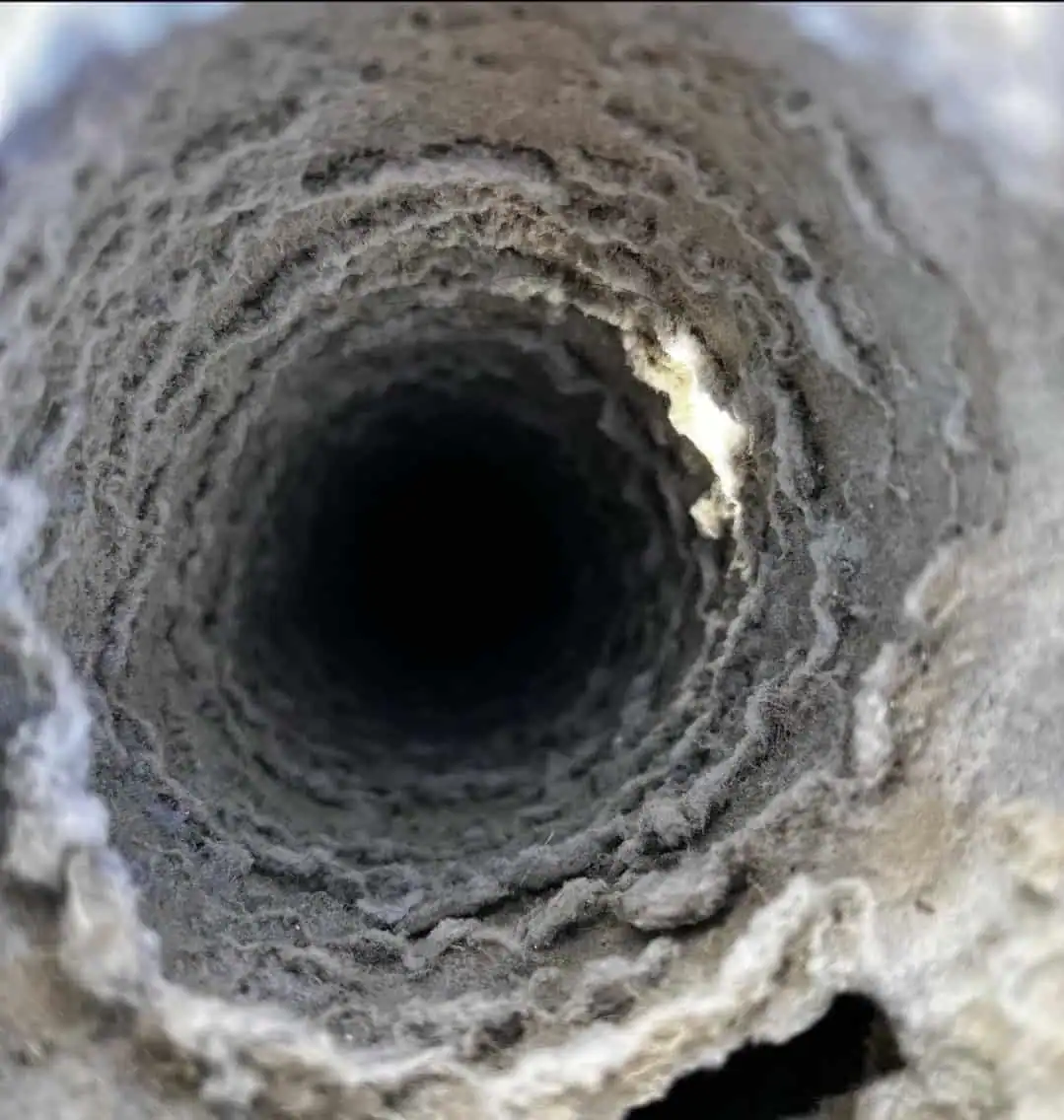
Here’s something most Reno homeowners don’t know: cleaning your lint trap after every load — which most people do — doesn’t protect your dryer vent. It helps, but only a fraction of the lint produced each cycle gets caught there. The rest travels into the duct system, where it builds up over months and years in sections you’ll never see and can’t reach on your own.
By the time most people suspect a problem, the vent is already significantly restricted. The good news is that the early warning signs are there if you know what to look for. Let’s walk through them.
Why Clogged Dryer Vent Symptoms Creep Up Slowly
The tricky thing about a clogged dryer vent is that it doesn’t announce itself all at once. The symptoms tend to creep in gradually — a load that used to take 45 minutes now takes an hour, the laundry room feels a little warmer than usual, there’s slightly more lint on your clothes than you remember. Each thing on its own seems minor. Together, they’re telling you something important.
The other reason these signs get ignored is that most people assume the dryer itself is the problem. When drying times start stretching out, the natural instinct is to think the appliance is aging or failing. In reality, slow drying is almost always a venting problem, not an appliance problem. Many dryers get replaced unnecessarily every year when a vent cleaning would have solved it entirely.
The Warning Signs of a Clogged Dryer Vent Most People Ignore
The clearest early sign is drying time. If your dryer used to finish a load in one cycle and now routinely needs two or three, that’s not normal wear — that’s restricted airflow. When lint builds up inside the duct, it chokes off the exhaust path. The dryer has to work harder and longer to push moisture out, which means more time, more energy, and more heat building up inside the machine.
Speaking of heat — if your laundry room gets noticeably warm while the dryer is running, or if your clothes come out hotter than they used to, that’s a sign the heat isn’t escaping the way it should. A properly functioning vent moves hot, moist air out of your home efficiently. When the duct is blocked, that heat has nowhere to go, and it backs up into the room and into the drum.
Lint showing up in places it shouldn’t is another one to pay attention to. If you’re finding lint on the floor around the dryer, on top of the machine, or on clothes that just came out of a dry cycle, that’s a sign the system isn’t moving air — and debris — the way it’s supposed to.
Then there’s the smell. A musty odor at the end of a cycle can mean moisture isn’t being expelled properly, which creates conditions for mold inside the duct. A burning smell is more urgent — that’s lint getting hot enough to scorch, and it means you should stop using the dryer and call someone that day. That smell is not something to wait on.
If you have a newer smart dryer, watch for error codes like D80, D90, or a “check vent” alert on the display. These codes appear when the machine’s sensors detect restricted airflow — they’re the dryer’s way of flagging a problem before it becomes a crisis. Most homeowners dismiss these as a glitch or reset them without investigating. Don’t.
Why Reno's Dry Climate Accelerates Dryer Vent Blockages
This is where Reno is genuinely different from most other markets, and it’s worth understanding if you live here.
Nevada is the driest state in the country. The Sierra Nevada mountain range strips moisture from Pacific air before it ever reaches the Truckee Meadows, which is why Reno’s humidity can drop to around 10 percent on summer days. That level of dryness changes how lint behaves inside your duct system in a way that most people — and most generic dryer vent guides — don’t account for.
In a humid climate, lint tends to clump near the dryer. It stays relatively compact and heavy, which means it doesn’t travel far into the duct before settling. In Reno’s dry air, lint stays loose and fluffy. It gets carried deeper into the duct with every cycle, settling in bends, sags, and sections of the vent run that are 10, 15, or 20 feet from the dryer itself. That’s where it accumulates — far out of reach of any DIY brush kit or leaf blower method.
Reno’s desert environment adds another layer. The dust that’s a constant part of life here mixes with that loose lint inside the duct, creating a denser, more combustible material than lint alone. Low humidity also generates static electricity, which causes lint to cling to duct walls rather than passing through freely. The combination of dry lint, desert dust, and static cling means Reno vents can reach dangerous restriction levels faster than vents in more humid cities.
Homes built before 1990 — and there are plenty of them in older Reno neighborhoods — often have longer, more complex vent runs that may pass through attic spaces or make multiple turns before reaching the exterior. Those extra feet and bends create more places for lint to collect. If your home was built before 1990 and you’ve never had the vent professionally cleaned, or you moved in and have no idea when it was last done, that’s reason enough to have someone take a look.
What a Clogged Dryer Vent Actually Costs You
The fire risk gets most of the attention — and it should. According to U.S. Fire Administration data, roughly 2,900 residential dryer fires occur every year, and 34 percent of them are caused directly by lint buildup in the vent. In a city where ClimateCheck data shows 74 percent of buildings already face elevated wildfire risk, a preventable fire inside your home is a serious concern.
But even setting aside the fire hazard, a clogged dryer vent costs you money every single week. A dryer running two or three cycles per load instead of one is consuming significantly more energy each time. Multiply that across a full week of laundry, and the inefficiency adds up fast. Research suggests proper vent maintenance can improve dryer energy efficiency by up to 30 percent.
Can I Clean My Dryer Vent Myself, or Do I Need a Professional?
It’s a fair question, and the honest answer is: it depends on what you’re actually trying to accomplish.
A homeowner with a basic dryer vent brush kit can clean the section of duct immediately behind the dryer — maybe the first few feet. That’s genuinely better than doing nothing, and it’s a reasonable thing to do between professional cleanings. But most dryer vents in Reno homes run 15 to 25 feet from the dryer to the exterior vent cap. That full length includes bends, transitions, and possibly sections running through walls or attic space. A brush kit doesn’t reach those areas, and a leaf blower pushed into the duct from outside can scatter debris further into the system rather than removing it.
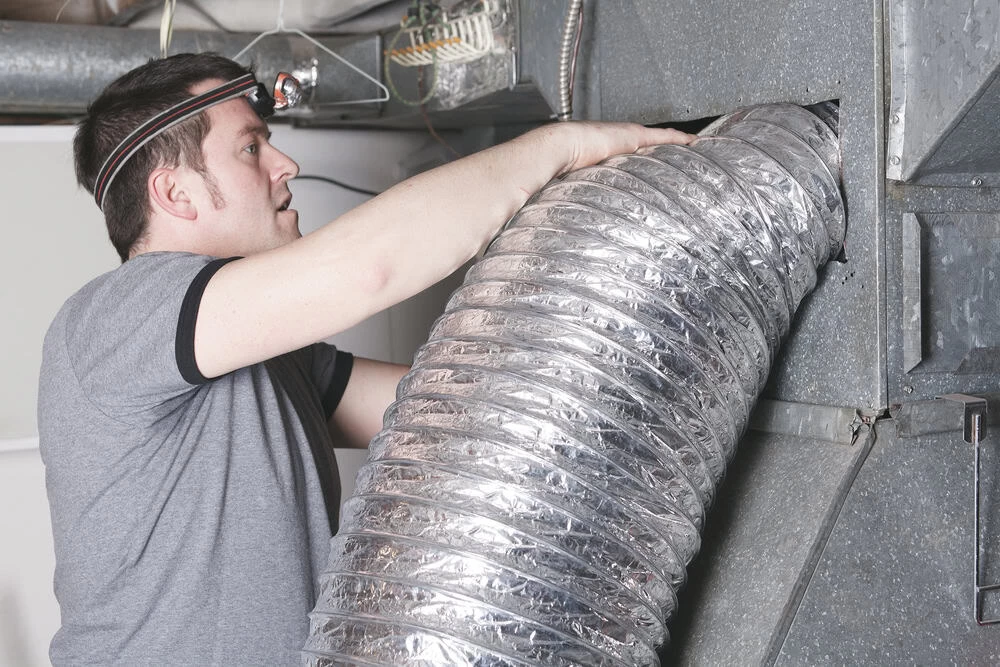
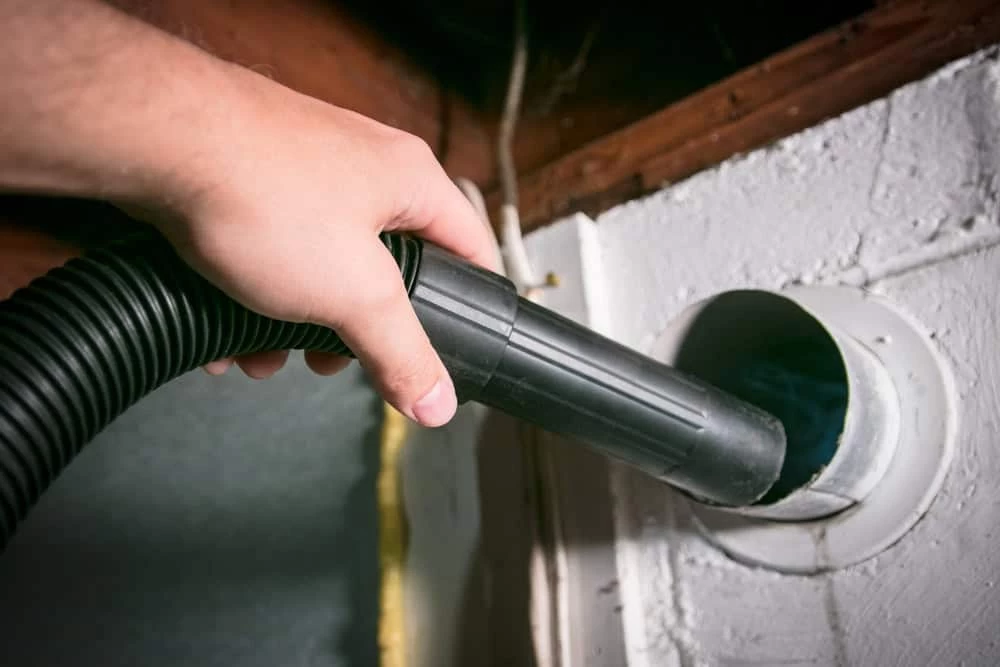
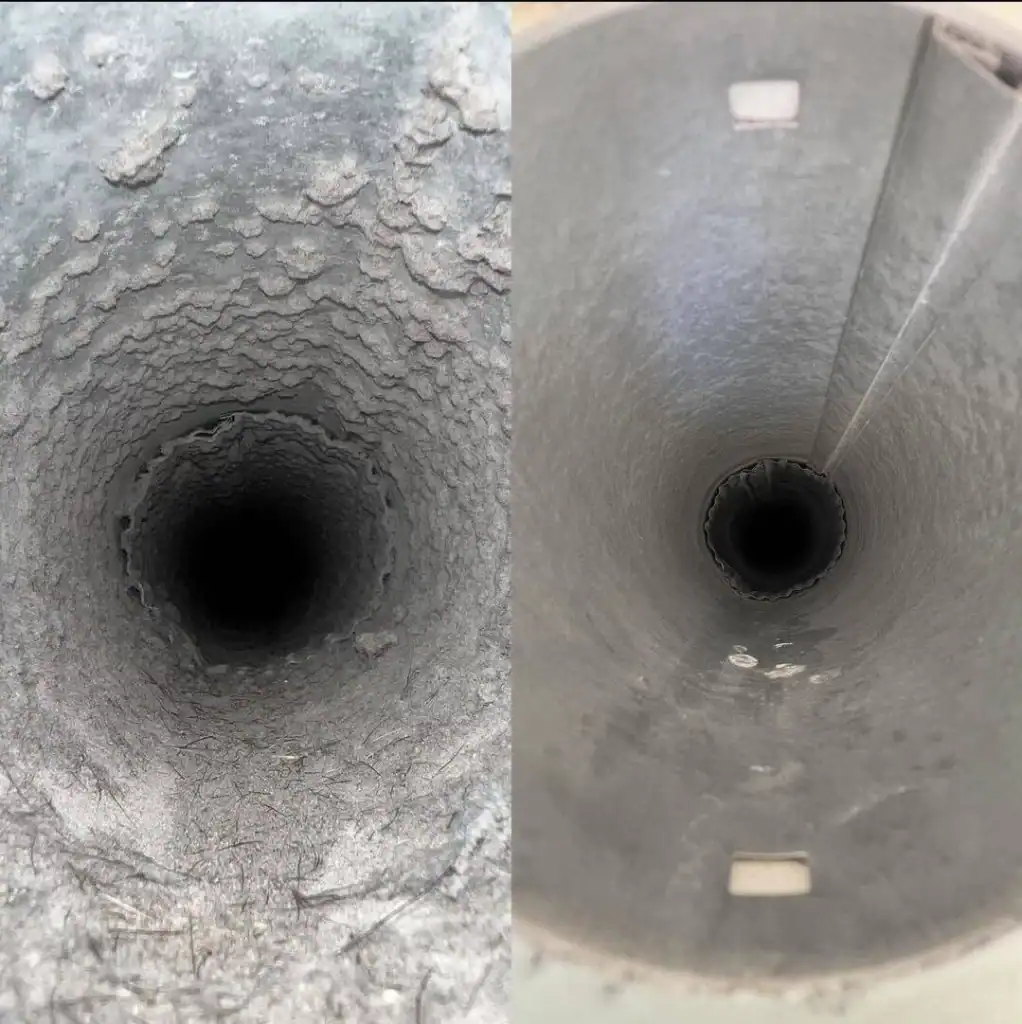
Professional cleaning uses high-powered rotary brushes combined with a negative-pressure vacuum system — equipment that pulls lint out of the entire duct run, including every bend and the exterior termination point. The difference between a professional cleaning and a DIY attempt isn’t effort; it’s the equipment and the reach.
There’s also the inspection piece. A professional cleaning should include a visual check of the duct material, the routing, and the exterior vent cap. Older Reno homes sometimes still have flexible foil or plastic duct installed — materials that are no longer code-compliant under current building standards and that trap lint far more readily than smooth-wall rigid metal duct. Knowing whether your duct meets current standards is something a professional can tell you on the spot. A brush kit can’t.
The short version: DIY maintenance has a place, but it’s not a substitute for professional cleaning, especially in a climate like Reno’s where lint accumulates faster and travels deeper into the duct than most homeowners expect.
How Often Should Dryer Vents Be Cleaned in Reno, NV?
The standard recommendation from the U.S. Fire Administration and NFPA is once a year for most households. That’s a reasonable baseline, and for many Reno homeowners, annual professional cleaning is enough to keep the system clear and safe.
That said, Reno’s climate means some households should be thinking about twice-yearly cleaning. If your household does more than eight loads of laundry per week, if you have pets whose fur gets into the laundry, or if your vent run is long or makes multiple turns before reaching the exterior, the lint accumulates faster than the annual baseline accounts for. The dry, dusty conditions here accelerate the process compared to what those national recommendations were built around.
There are also specific situations that should prompt an inspection regardless of schedule. If you’ve just moved into a home and don’t know when the vent was last cleaned — or whether it ever was — that’s a starting point, not a question to defer. If you’ve noticed any of the symptoms described earlier in this post, don’t wait for the annual window. And if your dryer is displaying error codes related to airflow, that’s the machine telling you directly that something needs attention now.
One thing worth knowing: a professional cleaning visit isn’t just about removing lint. It’s also an opportunity to confirm the duct is properly routed, that the exterior vent cap opens and closes freely, and that the duct material itself is in good condition. In Reno’s older housing stock, those details matter more than most homeowners realize. A vent that’s technically “clean” but poorly routed or capped with a damaged flap can still create problems — and a thorough inspection catches those issues before they become bigger ones.
When to Call a Professional for Dryer Vent Cleaning in Reno
If your dryer is taking longer than it used to, your laundry room runs warm, or you’re catching a burning smell during a cycle — those aren’t things to watch and wait on. They’re signs the vent needs attention, and in Reno’s climate, the problem tends to be further along than it looks from the outside.
The lint trap is not the whole story. It never was. The duct system behind it is where the real buildup happens, and it doesn’t show itself until something goes wrong — unless you know what to look for.
If any of this sounds familiar, or if you simply don’t know when your dryer vent was last cleaned, we’re here to help. We serve Reno homeowners with the same straightforward, no-hidden-fee approach that’s earned us over a decade of trust and more than 150 verified five-star reviews. Reach out to Home Safe Air Duct & Dryer Vent Cleaning for a free quote and find out exactly where things stand.